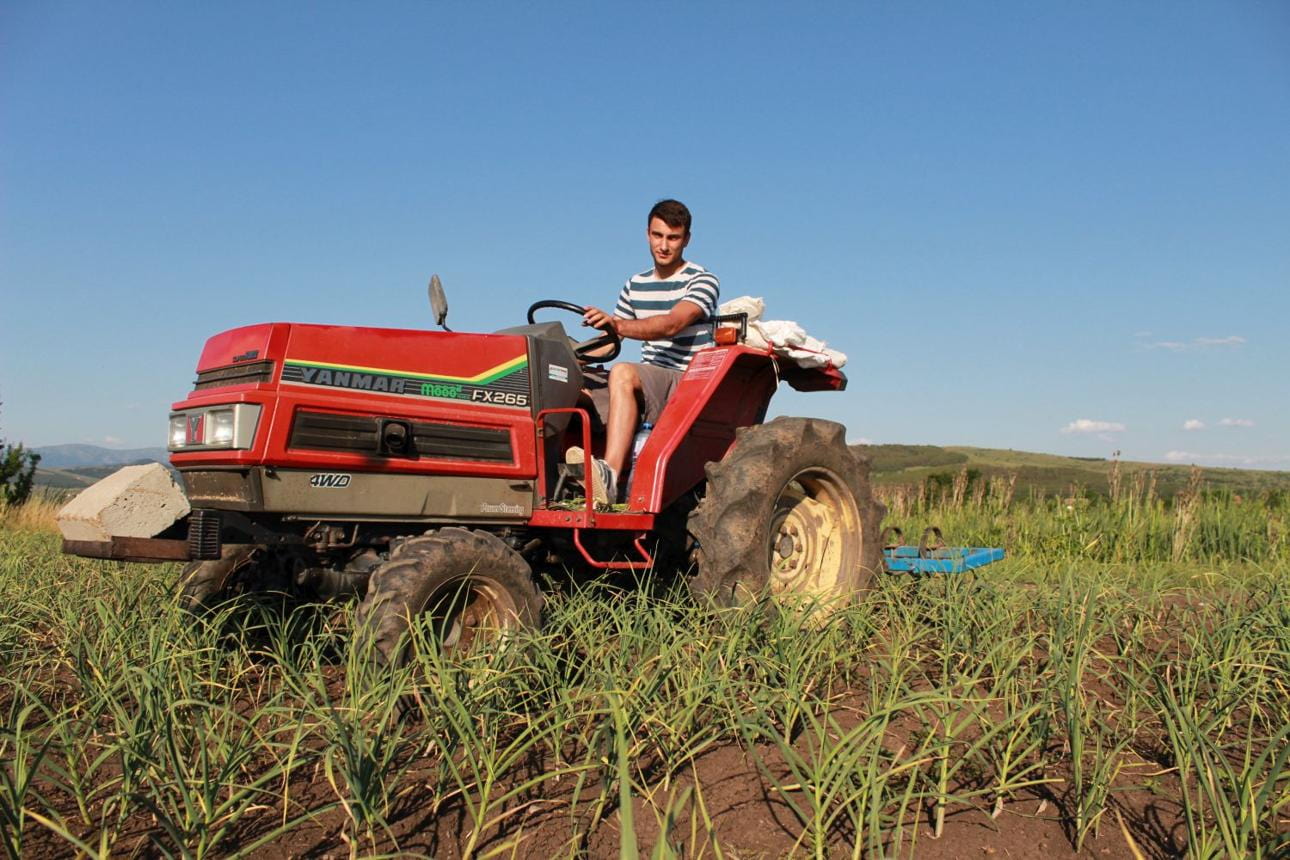
Young farmers could receive a guaranteed slice of the next EU farm budget after the European Parliament’s agriculture committee backed a report calling for at least 10 percent of the 2028-2034 Common Agricultural Policy to be allocated exclusively to them. The committee approved the text by 44 votes to none, with two abstentions, according to the Demócrata news agency on 4 November 2026. The vote sends a political signal about generational renewal on European farms.
The figures behind the push are stark. Parliament cites a rise in the average age of EU farmers from 55 to 57 between 2010 and 2020, and a 47 percent fall in the number of holders under 35 over the same decade. Women are only 26 percent of farmers under 40, so the report also asks for measures to close the gender gap and to give women decision-making roles.
The package goes beyond a quota. It asks for reduced-interest loans and financial instruments for young entrants, tools to cover losses from extreme weather and market volatility, and better rural services and infrastructure. It also backs support during illness, parental leave and training, and a specific European mental health plan for agriculture, which shows how much pressure young farmers face.
None of this is binding yet. The committee position is political and carries no specific allocation, because the split of the 2028-2034 agricultural budget will be settled in the wider negotiations on the EU’s long-term budget. The reports reviewed name no Commission reaction, and Agriculture Commissioner Christophe Hansen’s view on a fixed share for young farmers is not recorded.
The bigger fight is over structure. The Commission wants to fold farm funding into National and Regional Partnership Plans, and Eunews reported on 23 October that Socialist MEPs Cristina Maestre and Dario Nardella want a dedicated CAP plan inside those plans. They ask for three guarantees: protected rural development funding, autonomy for agricultural policy and robust governance that gives farmers legal certainty. The same report says the EPP rapporteur is now willing to challenge the Commission approach, though it does not name him.
That context matters for young farmers. A 10 percent ring-fence is only as strong as the budget line that carries it, and a merged fund could make such a reserve easier to dilute. Whether the quota survives depends on whether the dedicated CAP plan wins support from both the EPP and the Socialists.
Farm groups and finance ministers will now watch the budget talks. If the 10 percent target for young farmers appears in the Council and Parliament mandates, generational renewal will have a named budget line. If not, the committee’s 44-0 vote will remain a statement of intent.