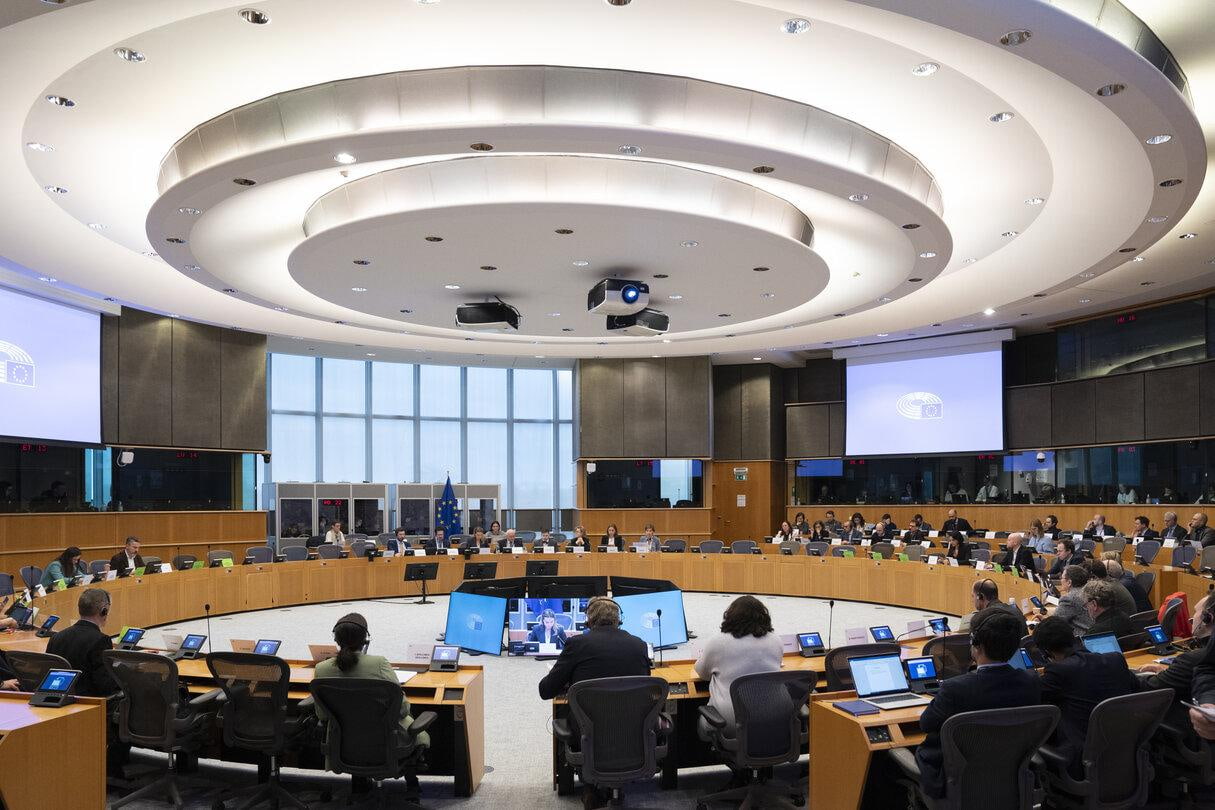
Chamalières: The first new euro banknotes will reach wallets in the early 2030s, according to Piero Cipollone, a member of the European Central Bank’s Executive Board. He gave the date on 10 November 2026 at a hearing of the European Parliament’s Committee on Economic and Monetary Affairs.
The statement offers the first concrete timeline for the next series of notes. It means the public will wait at least three more years before handling the redesigned currency. Until then, the current Europa series will remain the only paper money in the euro area.
The ECB has already moved through several stages of the project. It ran a public process to choose themes and designs, and in July 2026 it named the finalists and invited citizens to vote online. Under its own timetable, the selection of themes and designs should conclude by the end of 2026.
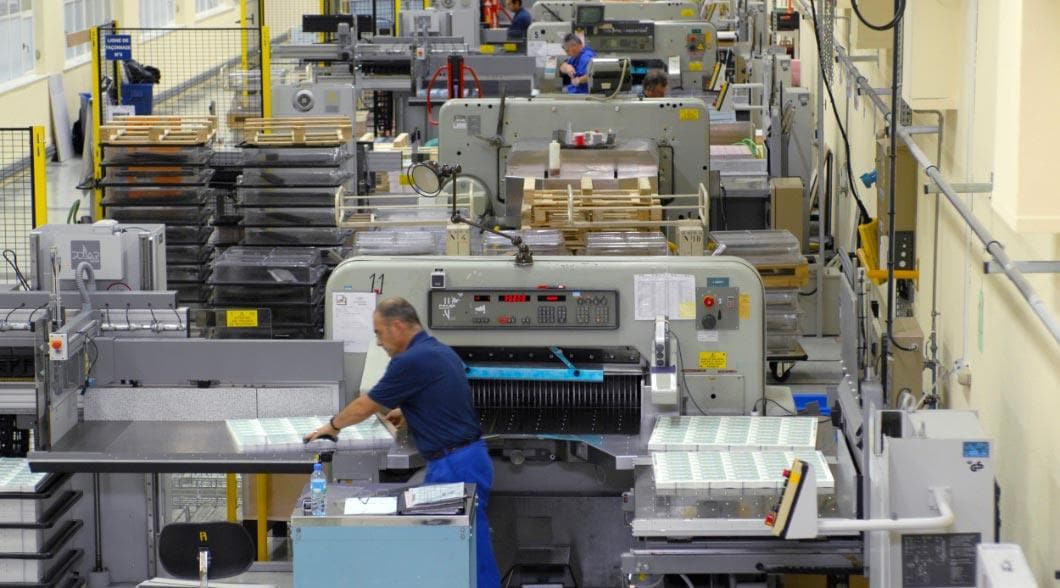
Production comes next, and it is the slowest part of bringing new euro banknotes to market. From 2027 the ECB and national central banks will start the preparatory and production phase for the new euro banknotes. Printing works across the euro area, such as the Banque de France plant at Chamalières, produce euro notes under ECB coordination, and they will need to adapt their lines to the new designs.
The long lead time reflects the scale of the task, which touches every cash handler in the 21 euro-area countries. Central banks must test new security features, prepare cash machines and sorting equipment, and give retailers time to update their systems. Each denomination usually arrives in stages rather than all at once.
Cipollone also oversees work on the digital euro, which Parliament and the Council are still negotiating. The two projects run in parallel, and the ECB stresses that cash will remain available alongside any digital form of central bank money. A refreshed banknote series sends a signal that physical cash still has a long-term future.
Cash use has fallen in many euro-area countries, yet it remains popular for small payments and as a store of value. Surveys by the ECB show that many citizens want to keep the option of paying in notes and coins. New designs aim to reconnect the currency with the people who use it, and the ECB has framed the new euro banknotes as a project shaped by public input rather than by central bankers alone. Citizens who voted in the design consultation will see whether their preferences survive the final choice.
For now, the public can expect the final designs to emerge in the coming months, followed by years of technical work. If the ECB keeps to its plan, the new euro banknotes will appear early next decade, giving the euro its third paper series since 2002.