November 12, 2026
LATEST
Gambia Presidential Election Draws EU Observers Across the CountryUK-EU Agri-Food Deal Nears Summit as British Farmers Seek GuaranteesMarine Protected Areas Shield Under 1 percent of EU Waters, Auditors WarnProtect What Matters Campaign Brings EU Defence Case to Ten StatesAgricultural Output Value Climbs to €562.5 Billion in Record 2025ENISA Cybersecurity Report Finds Response Teams LaggingEIC Work Programme 2027 Puts €1.8 Billion Into Deep TechLeaders Put AI Sovereignty at the Centre of Friday TalksWomen in Farming Platform Meets in Brussels to Tackle Funding GapsBeating Cancer Plan Review Tests EPP Unity on Tobacco and AlcoholEl Niño Anticipatory Aid Puts Somalia First in EU Crisis PlanningQatar Defence Cooperation Gives Brussels a Gulf Opening After DelayMongolia Geographical Indications Talks Test a Third Neighbour BetWang Yi Courts Paris as EU-China Trade Ties Near a November TestSouth China Sea Code Deadline Leaves Europe Watching the Manila SummitBrussels Weighs a New Zealand Climate Complaint Under Its Trade PactGenerational Renewal in Farming Moves Up Irish Presidency AgendaOACPS-EU Joint Parliamentary Assembly Presses Brussels on Fair TradeEIB Investment Survey Shows 85% of EU Firms Kept on SpendingDSA Election Guidelines Bring Deepfake Labels to Video FeedsGambia Presidential Election Draws EU Observers Across the CountryUK-EU Agri-Food Deal Nears Summit as British Farmers Seek GuaranteesMarine Protected Areas Shield Under 1 percent of EU Waters, Auditors WarnProtect What Matters Campaign Brings EU Defence Case to Ten StatesAgricultural Output Value Climbs to €562.5 Billion in Record 2025ENISA Cybersecurity Report Finds Response Teams LaggingEIC Work Programme 2027 Puts €1.8 Billion Into Deep TechLeaders Put AI Sovereignty at the Centre of Friday TalksWomen in Farming Platform Meets in Brussels to Tackle Funding GapsBeating Cancer Plan Review Tests EPP Unity on Tobacco and AlcoholEl Niño Anticipatory Aid Puts Somalia First in EU Crisis PlanningQatar Defence Cooperation Gives Brussels a Gulf Opening After DelayMongolia Geographical Indications Talks Test a Third Neighbour BetWang Yi Courts Paris as EU-China Trade Ties Near a November TestSouth China Sea Code Deadline Leaves Europe Watching the Manila SummitBrussels Weighs a New Zealand Climate Complaint Under Its Trade PactGenerational Renewal in Farming Moves Up Irish Presidency AgendaOACPS-EU Joint Parliamentary Assembly Presses Brussels on Fair TradeEIB Investment Survey Shows 85% of EU Firms Kept on SpendingDSA Election Guidelines Bring Deepfake Labels to Video Feeds

Black Sea Maritime Security Hub Gets €50 Million Push

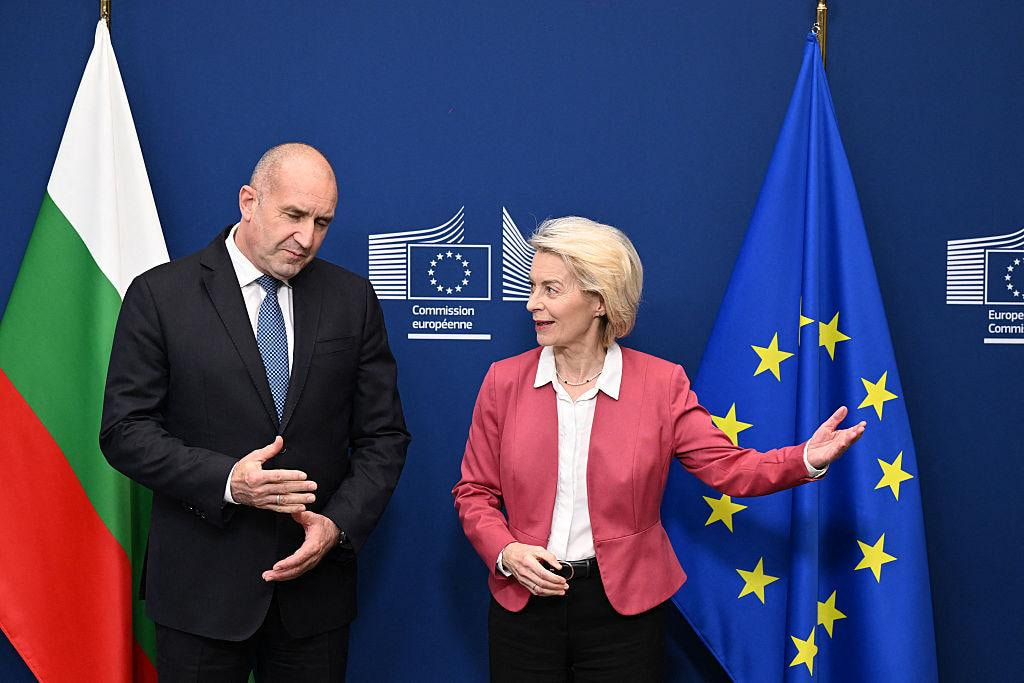
The Black Sea Maritime Security Hub moved from strategy paper to funded project this week, after Commission President Ursula von der Leyen pledged €50 million to fast-track it. She announced the money in Bucharest on 9 November alongside Romanian President Nicușor Dan, before travelling on to Bulgaria the next day.

The Black Sea Maritime Security Hub will sit in the ports of Constanța in Romania and Varna in Bulgaria. Its tasks are to protect critical infrastructure, share maritime information between the two coastal states and keep commercial shipping moving. Commission chief spokesperson Paula Pinho said the Commission wants the facility working in 2027, and reporting points to the first half of that year.

Search and rescue capacity received separate help. Von der Leyen announced €10 million in emergency funding for Romania on Monday and a matching €10 million for Bulgaria on Tuesday, during a visit to the Nikola Vaptsarov Naval Academy in Varna. She also offered Copernicus satellite imagery as immediate support for monitoring the sea.

The urgency behind the Black Sea Maritime Security Hub comes from a sharp rise in attacks on merchant vessels. Reports cite more than 570 security incidents in the Black Sea this year and at least 40 sailors killed. Von der Leyen said drones are sinking commercial ships, setting vessels ablaze and killing civilians, while insurance costs climb for everyone who trades through the basin.

In October a Turkish-owned cargo ship carrying Ukrainian grain sank off the Romanian coast after a fire, killing two crew members, and Kyiv blamed Russian drones. Another merchant vessel was struck roughly 130 kilometres off Bulgaria. The European Parliament has since adopted a resolution condemning attacks on civilian shipping and holding Russia responsible.

The EU first promised the Black Sea Maritime Security Hub in its Black Sea security strategy, unveiled in May 2025. That strategy set out to secure the maritime corridor, protect offshore installations and subsea cables, and counter cyberattacks and disinformation. A Commission implementation report in July confirmed that Romania and Bulgaria had jointly drafted a concept for the hub.

Political messages from the two host countries were not identical. Dan described a whole spectrum of hybrid warfare and said Russia was trying to drag European countries into the conflict it started in Ukraine. Bulgarian Prime Minister Rumen Radev was more cautious and said Sofia wanted further data and specific facts on who was behind the strikes.

That difference matters for the Black Sea Maritime Security Hub, which depends on two governments pooling sensitive information. A centre that fuses seabed sensor data, coast-guard reports and satellite feeds is only as strong as the trust between its partners. Clear rules on data sharing and a common threat picture must come before the hardware.

Ukraine has the most at stake. Kyiv relies on the Black Sea for around 90 percent of its agricultural exports, and Russia has intensified strikes on Ukrainian ports and vessels. Safer shipping lanes off Romania and Bulgaria help keep the EU solidarity lanes viable and protect global food markets that depend on Ukrainian grain.

The Commission says around 65 projects worth some €200 million have already started in the region under the strategy, and the European Maritime Safety Agency has offered support to both countries. The €50 million for the Black Sea Maritime Security Hub is modest by defence standards, but it signals that the EU now treats the basin as a core maritime interest.

The real test is delivery. If the Black Sea Maritime Security Hub is running in Constanța and Varna during 2027, the EU will have its first permanent coordination centre on a contested sea at its border. If it slips, shipowners and insurers will draw their own conclusions about the risks of trading in the region.