August 9, 2026
LATEST
New EU Gas Market Rules Take Effect With Consumer SafeguardsDeforestation Regulation Holds Its December Deadline Despite CutsDigital Omnibus Delays Europe’s High-Risk AI Deadline to 2027Europe’s Schools Confront a Widening Basic Skills GapRule of Law Report Finds Progress but Trust Still LagsIRIS2 Gains 66 Satellites as Brussels Signs the Rollout DealNature Restoration Plans Come Due as Member States Race a DeadlineECB Rates Hold at 2.25 Percent as Frankfurt Waits on the DataEU Budget Talks Turn to Cohesion as Ireland Takes OverWildfire Response Stretches Europe’s Emergency Fleet ThinCan Europe’s Quantum Plan Match Its Big Ambitions?Armenia Edges West as Moscow’s Grip Slips AwayEurope Inherits the World’s Aid Bill It Cannot Fully PayAir Passenger Rights Get Their First Overhaul in Two DecadesErasmus Opens a 5 Billion Euro Round for Skills and MobilityCeuta Crisis Pushes the EU Toward Faster Migrant ReturnsBulky Parcels Face a Packaging Crackdown From August 12Can Europe Build Its Drone Wall Before 2030 Arrives?Indonesia’s Trade Deal With Europe Nears Its Final SignatureEurope Leans on Beijing to Keep Climate Talks Alive Before AntalyaNew EU Gas Market Rules Take Effect With Consumer SafeguardsDeforestation Regulation Holds Its December Deadline Despite CutsDigital Omnibus Delays Europe’s High-Risk AI Deadline to 2027Europe’s Schools Confront a Widening Basic Skills GapRule of Law Report Finds Progress but Trust Still LagsIRIS2 Gains 66 Satellites as Brussels Signs the Rollout DealNature Restoration Plans Come Due as Member States Race a DeadlineECB Rates Hold at 2.25 Percent as Frankfurt Waits on the DataEU Budget Talks Turn to Cohesion as Ireland Takes OverWildfire Response Stretches Europe’s Emergency Fleet ThinCan Europe’s Quantum Plan Match Its Big Ambitions?Armenia Edges West as Moscow’s Grip Slips AwayEurope Inherits the World’s Aid Bill It Cannot Fully PayAir Passenger Rights Get Their First Overhaul in Two DecadesErasmus Opens a 5 Billion Euro Round for Skills and MobilityCeuta Crisis Pushes the EU Toward Faster Migrant ReturnsBulky Parcels Face a Packaging Crackdown From August 12Can Europe Build Its Drone Wall Before 2030 Arrives?Indonesia’s Trade Deal With Europe Nears Its Final SignatureEurope Leans on Beijing to Keep Climate Talks Alive Before Antalya
August 9, 2026
LATEST
New EU Gas Market Rules Take Effect With Consumer SafeguardsDeforestation Regulation Holds Its December Deadline Despite CutsDigital Omnibus Delays Europe’s High-Risk AI Deadline to 2027Europe’s Schools Confront a Widening Basic Skills GapRule of Law Report Finds Progress but Trust Still LagsIRIS2 Gains 66 Satellites as Brussels Signs the Rollout DealNature Restoration Plans Come Due as Member States Race a DeadlineECB Rates Hold at 2.25 Percent as Frankfurt Waits on the DataEU Budget Talks Turn to Cohesion as Ireland Takes OverWildfire Response Stretches Europe’s Emergency Fleet ThinCan Europe’s Quantum Plan Match Its Big Ambitions?Armenia Edges West as Moscow’s Grip Slips AwayEurope Inherits the World’s Aid Bill It Cannot Fully PayAir Passenger Rights Get Their First Overhaul in Two DecadesErasmus Opens a 5 Billion Euro Round for Skills and MobilityCeuta Crisis Pushes the EU Toward Faster Migrant ReturnsBulky Parcels Face a Packaging Crackdown From August 12Can Europe Build Its Drone Wall Before 2030 Arrives?Indonesia’s Trade Deal With Europe Nears Its Final SignatureEurope Leans on Beijing to Keep Climate Talks Alive Before AntalyaNew EU Gas Market Rules Take Effect With Consumer SafeguardsDeforestation Regulation Holds Its December Deadline Despite CutsDigital Omnibus Delays Europe’s High-Risk AI Deadline to 2027Europe’s Schools Confront a Widening Basic Skills GapRule of Law Report Finds Progress but Trust Still LagsIRIS2 Gains 66 Satellites as Brussels Signs the Rollout DealNature Restoration Plans Come Due as Member States Race a DeadlineECB Rates Hold at 2.25 Percent as Frankfurt Waits on the DataEU Budget Talks Turn to Cohesion as Ireland Takes OverWildfire Response Stretches Europe’s Emergency Fleet ThinCan Europe’s Quantum Plan Match Its Big Ambitions?Armenia Edges West as Moscow’s Grip Slips AwayEurope Inherits the World’s Aid Bill It Cannot Fully PayAir Passenger Rights Get Their First Overhaul in Two DecadesErasmus Opens a 5 Billion Euro Round for Skills and MobilityCeuta Crisis Pushes the EU Toward Faster Migrant ReturnsBulky Parcels Face a Packaging Crackdown From August 12Can Europe Build Its Drone Wall Before 2030 Arrives?Indonesia’s Trade Deal With Europe Nears Its Final SignatureEurope Leans on Beijing to Keep Climate Talks Alive Before Antalya

Fire Hub Tender Sets Cyprus As Regional Civil Protection Anchor

Larnaca: The runway lights at the south-eastern Mediterranean’s busiest air gateway will be working hard this summer. The European Commission’s plan to build a regional firefighting hub on Cypriot soil has moved from announcement to operational design, and the early scoping documents place the hub at the intersection of training, exercises and a seasonal readiness rotation that is meant to keep crews and aircraft within striking distance of the most fire-exposed coastlines on the bloc’s southern flank.

The hub idea grew out of a brutal accounting exercise. Wildfires in 2025 burned more than one million hectares of Union territory, an area larger than Cyprus itself, and the response architecture struggled to put aircraft over the right ridge lines fast enough. The Commission’s new strategy, launched on 25 March, sketched out a more permanent staging concept rather than the surge model that has dominated rescEU’s first decade. Cyprus, surrounded by member states and partner countries whose summers now begin in May, is the logical anchor.

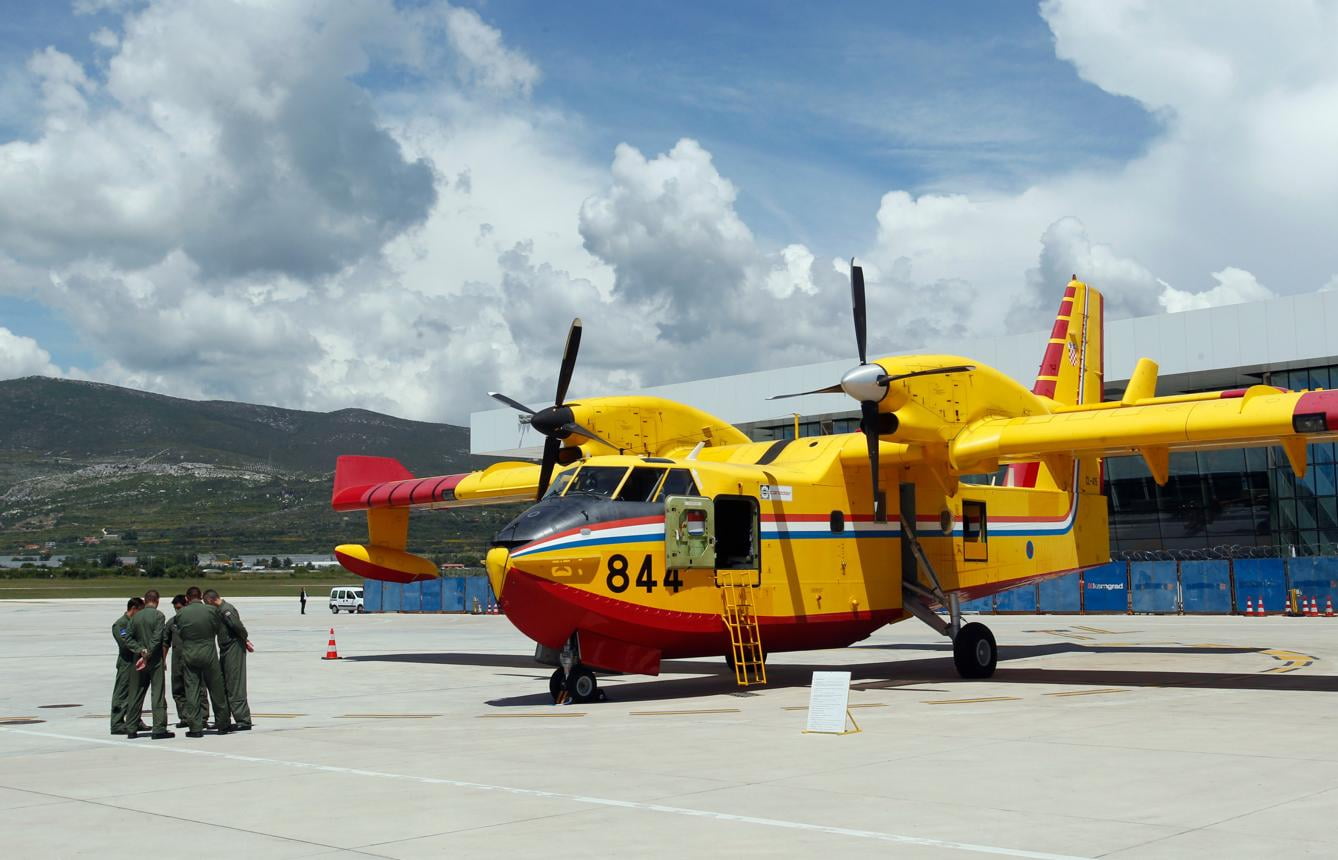
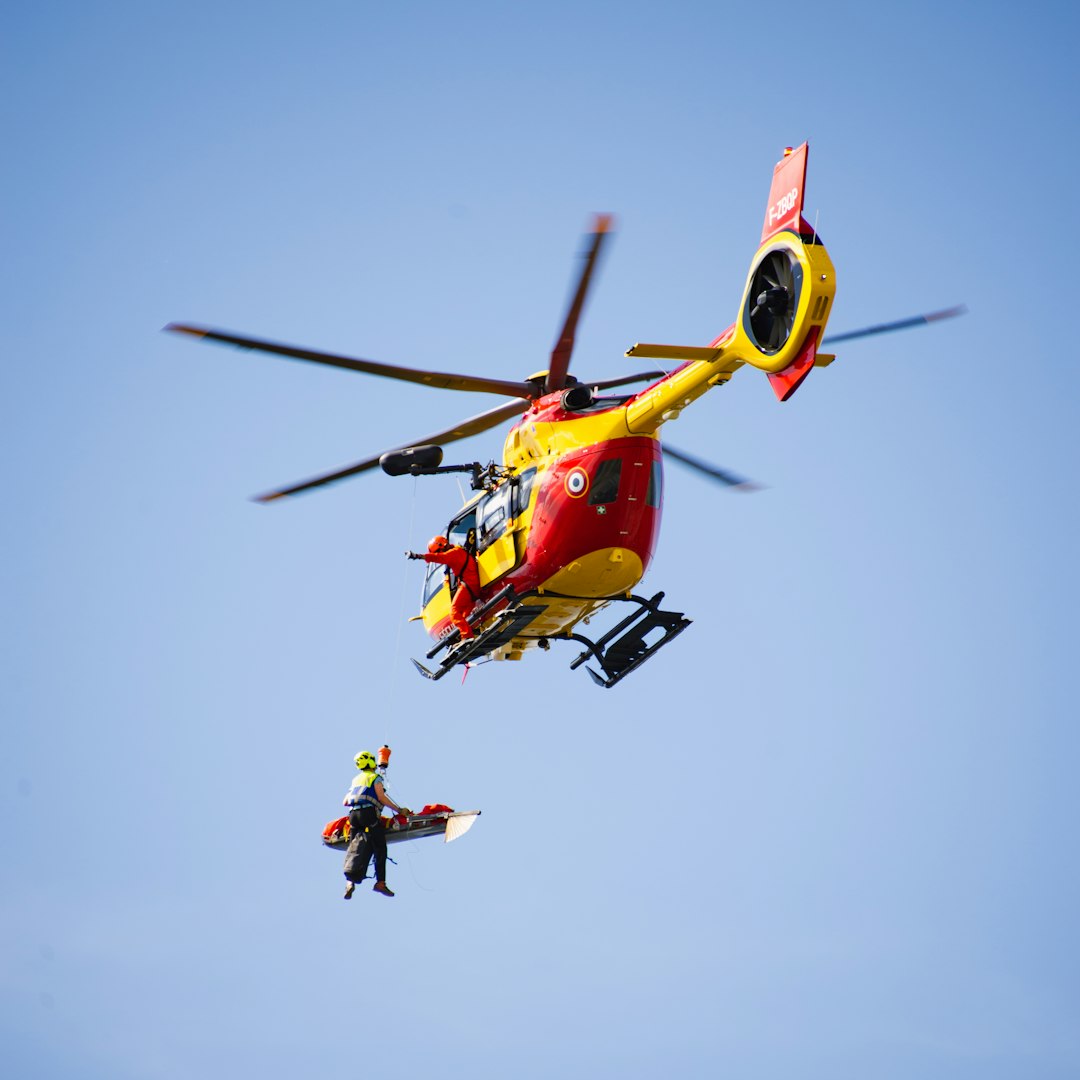
The operational design has two layers. The first is a year-round capacity building function, with training courses for forest fire crews, command exercises and equipment certification handled out of Cypriot facilities. The second is a seasonal posture; aircraft and helicopters from the rescEU fleet rotating through the hub between June and October, available for deployment to Greece, Italy, the Western Balkans and southern France within hours of an activation request through the Civil Protection Mechanism. National contributions through the European Civil Protection Pool will continue to underpin the wider response network, but the hub gives the Commission a fixed forward base that does not depend on a single contributing country’s calendar.

Procurement for the rescEU fleet itself is already moving. The Commission has confirmed orders for twelve firefighting planes and five helicopters under the current cycle, and the first helicopter under the new contracts was delivered to Romania in January and is being made ready for the 2026 season. The Cypriot hub will draw on assets from this expanded fleet, alongside platforms made available through the participating states. National authorities have welcomed the model on the basis that it reduces lift gaps for countries that cannot finance dedicated heavy aerial firefighting capabilities of their own.

There is a strategic stockpile dimension as well. RescEU operates 22 stockpiles distributed across sixteen member states, with seventeen already fully operational, covering medical countermeasures, chemical and biological response equipment, generators and shelter materials. The Cypriot hub is being designed to dovetail with this network rather than overlap with it. Officials handling the file have made clear that the hub is not a warehouse; it is a forward operations node for aerial assets and the training infrastructure that supports them. Stockpiles serving the eastern Mediterranean will continue to be hosted by Greece and Italy, with the Cypriot operation focused on flight crews, certifications and the procedures that move aircraft across borders within the readiness window the season requires.

The political case for the hub also bears on the Union’s neighbourhood agenda. Cyprus’s location places it within reach of several Civil Protection Mechanism participating states outside the EU, and the hub could in principle support requests from neighbouring partners through bilateral arrangements layered onto the Mechanism. Officials are careful to frame this as a derivative benefit rather than the primary design goal, but the architecture is being built with the optionality in mind.

The Cypriot government is preparing the host country agreement, which will set out infrastructure, personnel and cost-sharing terms. Authorities expect the first training courses to run before the end of the year and the seasonal aerial rotation to operate at near-full posture by the 2027 fire season, with this summer used to test handover procedures and integrate the new aircraft into the Mechanism’s tasking systems. After the 2025 burn season, no one inside the Civil Protection community is in any mood to wait longer.