August 9, 2026
LATEST
New EU Gas Market Rules Take Effect With Consumer SafeguardsDeforestation Regulation Holds Its December Deadline Despite CutsDigital Omnibus Delays Europe’s High-Risk AI Deadline to 2027Europe’s Schools Confront a Widening Basic Skills GapRule of Law Report Finds Progress but Trust Still LagsIRIS2 Gains 66 Satellites as Brussels Signs the Rollout DealNature Restoration Plans Come Due as Member States Race a DeadlineECB Rates Hold at 2.25 Percent as Frankfurt Waits on the DataEU Budget Talks Turn to Cohesion as Ireland Takes OverWildfire Response Stretches Europe’s Emergency Fleet ThinCan Europe’s Quantum Plan Match Its Big Ambitions?Armenia Edges West as Moscow’s Grip Slips AwayEurope Inherits the World’s Aid Bill It Cannot Fully PayAir Passenger Rights Get Their First Overhaul in Two DecadesErasmus Opens a 5 Billion Euro Round for Skills and MobilityCeuta Crisis Pushes the EU Toward Faster Migrant ReturnsBulky Parcels Face a Packaging Crackdown From August 12Can Europe Build Its Drone Wall Before 2030 Arrives?Indonesia’s Trade Deal With Europe Nears Its Final SignatureEurope Leans on Beijing to Keep Climate Talks Alive Before AntalyaNew EU Gas Market Rules Take Effect With Consumer SafeguardsDeforestation Regulation Holds Its December Deadline Despite CutsDigital Omnibus Delays Europe’s High-Risk AI Deadline to 2027Europe’s Schools Confront a Widening Basic Skills GapRule of Law Report Finds Progress but Trust Still LagsIRIS2 Gains 66 Satellites as Brussels Signs the Rollout DealNature Restoration Plans Come Due as Member States Race a DeadlineECB Rates Hold at 2.25 Percent as Frankfurt Waits on the DataEU Budget Talks Turn to Cohesion as Ireland Takes OverWildfire Response Stretches Europe’s Emergency Fleet ThinCan Europe’s Quantum Plan Match Its Big Ambitions?Armenia Edges West as Moscow’s Grip Slips AwayEurope Inherits the World’s Aid Bill It Cannot Fully PayAir Passenger Rights Get Their First Overhaul in Two DecadesErasmus Opens a 5 Billion Euro Round for Skills and MobilityCeuta Crisis Pushes the EU Toward Faster Migrant ReturnsBulky Parcels Face a Packaging Crackdown From August 12Can Europe Build Its Drone Wall Before 2030 Arrives?Indonesia’s Trade Deal With Europe Nears Its Final SignatureEurope Leans on Beijing to Keep Climate Talks Alive Before Antalya
August 9, 2026
LATEST
New EU Gas Market Rules Take Effect With Consumer SafeguardsDeforestation Regulation Holds Its December Deadline Despite CutsDigital Omnibus Delays Europe’s High-Risk AI Deadline to 2027Europe’s Schools Confront a Widening Basic Skills GapRule of Law Report Finds Progress but Trust Still LagsIRIS2 Gains 66 Satellites as Brussels Signs the Rollout DealNature Restoration Plans Come Due as Member States Race a DeadlineECB Rates Hold at 2.25 Percent as Frankfurt Waits on the DataEU Budget Talks Turn to Cohesion as Ireland Takes OverWildfire Response Stretches Europe’s Emergency Fleet ThinCan Europe’s Quantum Plan Match Its Big Ambitions?Armenia Edges West as Moscow’s Grip Slips AwayEurope Inherits the World’s Aid Bill It Cannot Fully PayAir Passenger Rights Get Their First Overhaul in Two DecadesErasmus Opens a 5 Billion Euro Round for Skills and MobilityCeuta Crisis Pushes the EU Toward Faster Migrant ReturnsBulky Parcels Face a Packaging Crackdown From August 12Can Europe Build Its Drone Wall Before 2030 Arrives?Indonesia’s Trade Deal With Europe Nears Its Final SignatureEurope Leans on Beijing to Keep Climate Talks Alive Before AntalyaNew EU Gas Market Rules Take Effect With Consumer SafeguardsDeforestation Regulation Holds Its December Deadline Despite CutsDigital Omnibus Delays Europe’s High-Risk AI Deadline to 2027Europe’s Schools Confront a Widening Basic Skills GapRule of Law Report Finds Progress but Trust Still LagsIRIS2 Gains 66 Satellites as Brussels Signs the Rollout DealNature Restoration Plans Come Due as Member States Race a DeadlineECB Rates Hold at 2.25 Percent as Frankfurt Waits on the DataEU Budget Talks Turn to Cohesion as Ireland Takes OverWildfire Response Stretches Europe’s Emergency Fleet ThinCan Europe’s Quantum Plan Match Its Big Ambitions?Armenia Edges West as Moscow’s Grip Slips AwayEurope Inherits the World’s Aid Bill It Cannot Fully PayAir Passenger Rights Get Their First Overhaul in Two DecadesErasmus Opens a 5 Billion Euro Round for Skills and MobilityCeuta Crisis Pushes the EU Toward Faster Migrant ReturnsBulky Parcels Face a Packaging Crackdown From August 12Can Europe Build Its Drone Wall Before 2030 Arrives?Indonesia’s Trade Deal With Europe Nears Its Final SignatureEurope Leans on Beijing to Keep Climate Talks Alive Before Antalya

Ulaanbaatar Anchors EU Raw Materials Push as Joint Committee Nears

Ulaanbaatar: The next EU–Mongolia Joint Committee, scheduled to convene in Brussels later this year, is shaping up as the political moment when an exploratory critical raw materials conversation between the two sides hardens into a written partnership. Both delegations have spent the last twelve months working through the technical groundwork, and the talking points coming out of the Mongolian foreign ministry and the European External Action Service have converged on the language of a structured Memorandum of Understanding rather than the open-ended dialogue format that has framed previous encounters.

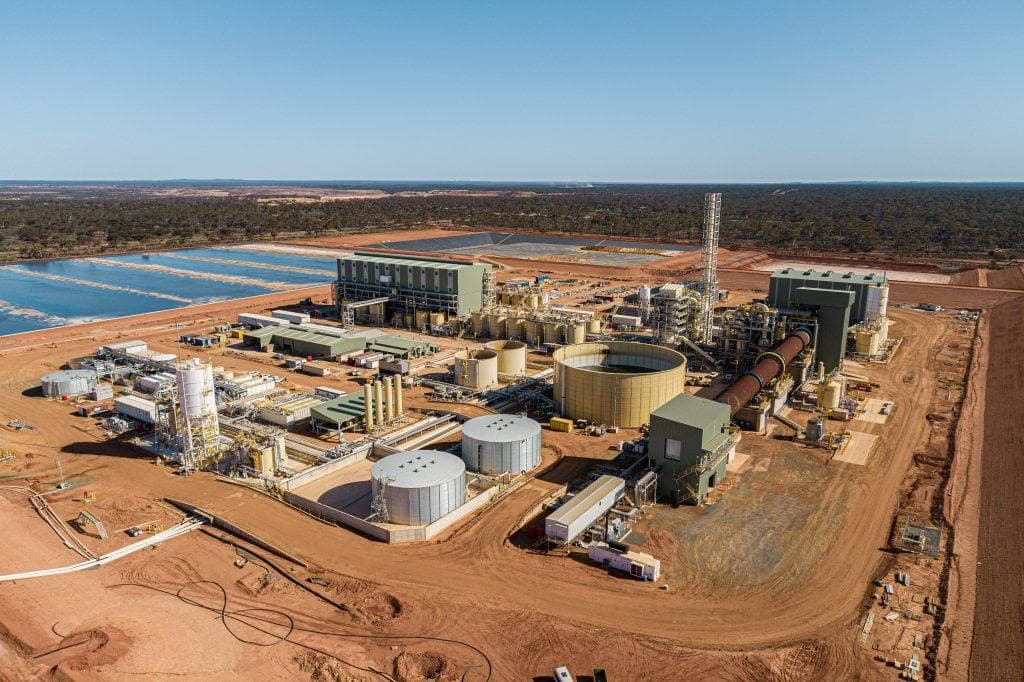
Mongolia matters to the European critical raw materials agenda for one principal reason. The country holds significant deposits of copper, fluorspar, rare earth elements and other strategic minerals across a geography that sits between two giants without being captured by either, and Ulaanbaatar’s long-running Third Neighbour Policy is the diplomatic framework through which it actively cultivates partners outside the China–Russia binary. The European Union, which has spent the past three years constructing a Critical Raw Materials Act regime built around strategic projects, strategic partnerships and diversified processing capacity, is the textbook Third Neighbour in this construction, and Mongolian officials say privately that a written partnership with Brussels would carry more political weight at home than any number of bilateral memoranda with smaller European capitals.

What is concentrating minds in Brussels is the broader race that has accelerated around critical raw materials over the past eighteen months. The Commission’s most senior officials have framed the file in increasingly stark terms, with Vice-President-level statements describing the global competition for critical minerals as a contest over power rather than a routine matter of supply chain management. That language has filtered into how the Mongolia file is treated inside the Commission, with the External Action Service, DG GROW and the Critical Raw Materials Board now coordinating more tightly than in previous cycles.

The shape of a potential partnership is becoming visible. The first pillar would map Mongolian deposits against the EU strategic raw materials list and identify five to seven candidate sites where a European mid-stream operator could credibly invest. The second pillar would address the regulatory and environmental compliance frame, which has been a recurring friction point in Mongolia’s bilateral mining engagements and which the European side is determined to handle differently. The third pillar would cover skills, infrastructure and financing, drawing on Global Gateway facilities, European Investment Bank instruments and the new mid-stream financing windows that the Commission has been quietly preparing in coordination with member-state development finance institutions.

There is a security overlay as well. Mongolia’s geographic position gives Ulaanbaatar a frontline view of the Russia–China relationship that few European missions can match, and the political consultations that flank the trade file have begun to include the kind of strategic readouts that were previously reserved for partners in the Indo-Pacific core. The External Action Service has hinted that future Joint Committee meetings will alternate between Brussels and Ulaanbaatar to give European officials more direct exposure to that vantage point.

If the Joint Committee delivers a signed partnership document, it will be the most substantive instrument the Union has produced on the Mongolia file in the entire history of the bilateral relationship. The political conditions appear aligned. The technical work has been done, the financing instruments exist, and the diplomatic timing is favorable for both sides. The remaining question is whether the two delegations can hold their respective domestic politics steady long enough to convert the convergence into a durable text.