August 9, 2026
LATEST
New EU Gas Market Rules Take Effect With Consumer SafeguardsDeforestation Regulation Holds Its December Deadline Despite CutsDigital Omnibus Delays Europe’s High-Risk AI Deadline to 2027Europe’s Schools Confront a Widening Basic Skills GapRule of Law Report Finds Progress but Trust Still LagsIRIS2 Gains 66 Satellites as Brussels Signs the Rollout DealNature Restoration Plans Come Due as Member States Race a DeadlineECB Rates Hold at 2.25 Percent as Frankfurt Waits on the DataEU Budget Talks Turn to Cohesion as Ireland Takes OverWildfire Response Stretches Europe’s Emergency Fleet ThinCan Europe’s Quantum Plan Match Its Big Ambitions?Armenia Edges West as Moscow’s Grip Slips AwayEurope Inherits the World’s Aid Bill It Cannot Fully PayAir Passenger Rights Get Their First Overhaul in Two DecadesErasmus Opens a 5 Billion Euro Round for Skills and MobilityCeuta Crisis Pushes the EU Toward Faster Migrant ReturnsBulky Parcels Face a Packaging Crackdown From August 12Can Europe Build Its Drone Wall Before 2030 Arrives?Indonesia’s Trade Deal With Europe Nears Its Final SignatureEurope Leans on Beijing to Keep Climate Talks Alive Before AntalyaNew EU Gas Market Rules Take Effect With Consumer SafeguardsDeforestation Regulation Holds Its December Deadline Despite CutsDigital Omnibus Delays Europe’s High-Risk AI Deadline to 2027Europe’s Schools Confront a Widening Basic Skills GapRule of Law Report Finds Progress but Trust Still LagsIRIS2 Gains 66 Satellites as Brussels Signs the Rollout DealNature Restoration Plans Come Due as Member States Race a DeadlineECB Rates Hold at 2.25 Percent as Frankfurt Waits on the DataEU Budget Talks Turn to Cohesion as Ireland Takes OverWildfire Response Stretches Europe’s Emergency Fleet ThinCan Europe’s Quantum Plan Match Its Big Ambitions?Armenia Edges West as Moscow’s Grip Slips AwayEurope Inherits the World’s Aid Bill It Cannot Fully PayAir Passenger Rights Get Their First Overhaul in Two DecadesErasmus Opens a 5 Billion Euro Round for Skills and MobilityCeuta Crisis Pushes the EU Toward Faster Migrant ReturnsBulky Parcels Face a Packaging Crackdown From August 12Can Europe Build Its Drone Wall Before 2030 Arrives?Indonesia’s Trade Deal With Europe Nears Its Final SignatureEurope Leans on Beijing to Keep Climate Talks Alive Before Antalya
August 9, 2026
LATEST
New EU Gas Market Rules Take Effect With Consumer SafeguardsDeforestation Regulation Holds Its December Deadline Despite CutsDigital Omnibus Delays Europe’s High-Risk AI Deadline to 2027Europe’s Schools Confront a Widening Basic Skills GapRule of Law Report Finds Progress but Trust Still LagsIRIS2 Gains 66 Satellites as Brussels Signs the Rollout DealNature Restoration Plans Come Due as Member States Race a DeadlineECB Rates Hold at 2.25 Percent as Frankfurt Waits on the DataEU Budget Talks Turn to Cohesion as Ireland Takes OverWildfire Response Stretches Europe’s Emergency Fleet ThinCan Europe’s Quantum Plan Match Its Big Ambitions?Armenia Edges West as Moscow’s Grip Slips AwayEurope Inherits the World’s Aid Bill It Cannot Fully PayAir Passenger Rights Get Their First Overhaul in Two DecadesErasmus Opens a 5 Billion Euro Round for Skills and MobilityCeuta Crisis Pushes the EU Toward Faster Migrant ReturnsBulky Parcels Face a Packaging Crackdown From August 12Can Europe Build Its Drone Wall Before 2030 Arrives?Indonesia’s Trade Deal With Europe Nears Its Final SignatureEurope Leans on Beijing to Keep Climate Talks Alive Before AntalyaNew EU Gas Market Rules Take Effect With Consumer SafeguardsDeforestation Regulation Holds Its December Deadline Despite CutsDigital Omnibus Delays Europe’s High-Risk AI Deadline to 2027Europe’s Schools Confront a Widening Basic Skills GapRule of Law Report Finds Progress but Trust Still LagsIRIS2 Gains 66 Satellites as Brussels Signs the Rollout DealNature Restoration Plans Come Due as Member States Race a DeadlineECB Rates Hold at 2.25 Percent as Frankfurt Waits on the DataEU Budget Talks Turn to Cohesion as Ireland Takes OverWildfire Response Stretches Europe’s Emergency Fleet ThinCan Europe’s Quantum Plan Match Its Big Ambitions?Armenia Edges West as Moscow’s Grip Slips AwayEurope Inherits the World’s Aid Bill It Cannot Fully PayAir Passenger Rights Get Their First Overhaul in Two DecadesErasmus Opens a 5 Billion Euro Round for Skills and MobilityCeuta Crisis Pushes the EU Toward Faster Migrant ReturnsBulky Parcels Face a Packaging Crackdown From August 12Can Europe Build Its Drone Wall Before 2030 Arrives?Indonesia’s Trade Deal With Europe Nears Its Final SignatureEurope Leans on Beijing to Keep Climate Talks Alive Before Antalya

Why Round Four Of EU Malaysia Trade Talks Hangs On June Window

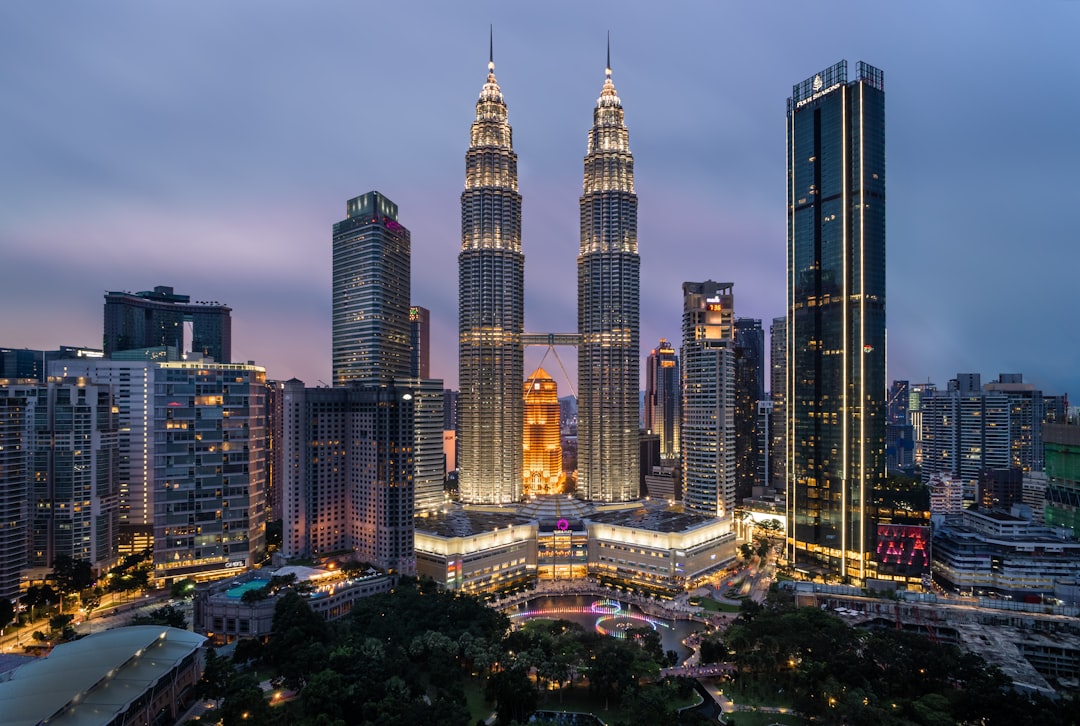
Kuala Lumpur: The fourth round of European Union and Malaysia free trade negotiations, scheduled to run in the Malaysian capital from 8 to 12 June, arrives at a moment when the calendar matters as much as the substantive text. President Ursula von der Leyen and Prime Minister Anwar Ibrahim re-launched the talks on 20 January 2025 after a thirteen-year pause, and three rounds have closed in just ten months. Both sides have committed publicly to wrapping the negotiation before the fourth quarter of 2027, when ASEAN and the EU will mark the fiftieth anniversary of their dialogue partnership. That deadline is political and operational at the same time, since a comprehensive agreement requires legal scrubbing, translation into twenty-four working languages, parliamentary scrutiny and ratification across twenty-seven member states before it can be signed.

The scoping exercise concluded in December 2024 set the level of ambition well above the 2010 to 2012 attempt that ran aground after seven rounds. Goods market access is the headline pillar, but the operational weight of the file now sits in services, digital trade, investment protection and a sustainability chapter that has to address the European Deforestation Regulation in the same breath as palm oil, rubber, timber and cocoa. With EUDR enforcement now sliding to December 2026 for medium and large importers, and to mid-2027 for smaller operators, the negotiating table has more political oxygen than it would have had six months ago. Putrajaya has used that space to press for recognition of the Malaysian Sustainable Palm Oil scheme inside the operational design of the FTA, rather than as an annex.

The standard-risk classification that Malaysia received under the country benchmarking exercise earlier in the year continues to irritate the bilateral mood music, particularly given that several EU member states with comparable forest cover indicators were placed in the low-risk band. Brussels has signalled that the classification is not negotiable through the trade track, but that joint efforts on traceability tooling, smallholder support and geolocation data infrastructure can be packaged inside the agreement as cooperation commitments. That is the form of de-escalation that ministers will be looking for in the June plenary.

Beyond commodities, the harder edges of the round will sit in digital trade and procurement. Malaysia is uncomfortable with the European data-flow template that was finalised with Singapore in February and that is now being rolled into the Korea Digital Trade Agreement and the Indonesian Comprehensive Economic Partnership Agreement. Procurement market access is also expected to surface as a sticking point given the bumiputera-related preferences that structure Malaysian public contracting. On services, the European negotiators are expected to push hard on financial services and telecoms, two sectors where Malaysia has moved cautiously even in its other recent FTAs.

The strategic context favours a deal. Malaysia chairs ASEAN in 2026 and has built its chairmanship narrative around economic integration and supply-chain resilience. Brussels has now closed or substantially advanced trade arrangements with Singapore, Vietnam, Indonesia, Thailand and the Philippines, and a Malaysian agreement would complete the spine of the European trade footprint across maritime Southeast Asia. Failure to hit the 2027 anniversary window would not kill the file, but it would push it into a European political cycle that begins to look very different once the next Commission programming starts to absorb attention. The June round will be measured against that quietly unforgiving timetable.