August 9, 2026
LATEST
New EU Gas Market Rules Take Effect With Consumer SafeguardsDeforestation Regulation Holds Its December Deadline Despite CutsDigital Omnibus Delays Europe’s High-Risk AI Deadline to 2027Europe’s Schools Confront a Widening Basic Skills GapRule of Law Report Finds Progress but Trust Still LagsIRIS2 Gains 66 Satellites as Brussels Signs the Rollout DealNature Restoration Plans Come Due as Member States Race a DeadlineECB Rates Hold at 2.25 Percent as Frankfurt Waits on the DataEU Budget Talks Turn to Cohesion as Ireland Takes OverWildfire Response Stretches Europe’s Emergency Fleet ThinCan Europe’s Quantum Plan Match Its Big Ambitions?Armenia Edges West as Moscow’s Grip Slips AwayEurope Inherits the World’s Aid Bill It Cannot Fully PayAir Passenger Rights Get Their First Overhaul in Two DecadesErasmus Opens a 5 Billion Euro Round for Skills and MobilityCeuta Crisis Pushes the EU Toward Faster Migrant ReturnsBulky Parcels Face a Packaging Crackdown From August 12Can Europe Build Its Drone Wall Before 2030 Arrives?Indonesia’s Trade Deal With Europe Nears Its Final SignatureEurope Leans on Beijing to Keep Climate Talks Alive Before AntalyaNew EU Gas Market Rules Take Effect With Consumer SafeguardsDeforestation Regulation Holds Its December Deadline Despite CutsDigital Omnibus Delays Europe’s High-Risk AI Deadline to 2027Europe’s Schools Confront a Widening Basic Skills GapRule of Law Report Finds Progress but Trust Still LagsIRIS2 Gains 66 Satellites as Brussels Signs the Rollout DealNature Restoration Plans Come Due as Member States Race a DeadlineECB Rates Hold at 2.25 Percent as Frankfurt Waits on the DataEU Budget Talks Turn to Cohesion as Ireland Takes OverWildfire Response Stretches Europe’s Emergency Fleet ThinCan Europe’s Quantum Plan Match Its Big Ambitions?Armenia Edges West as Moscow’s Grip Slips AwayEurope Inherits the World’s Aid Bill It Cannot Fully PayAir Passenger Rights Get Their First Overhaul in Two DecadesErasmus Opens a 5 Billion Euro Round for Skills and MobilityCeuta Crisis Pushes the EU Toward Faster Migrant ReturnsBulky Parcels Face a Packaging Crackdown From August 12Can Europe Build Its Drone Wall Before 2030 Arrives?Indonesia’s Trade Deal With Europe Nears Its Final SignatureEurope Leans on Beijing to Keep Climate Talks Alive Before Antalya
August 9, 2026
LATEST
New EU Gas Market Rules Take Effect With Consumer SafeguardsDeforestation Regulation Holds Its December Deadline Despite CutsDigital Omnibus Delays Europe’s High-Risk AI Deadline to 2027Europe’s Schools Confront a Widening Basic Skills GapRule of Law Report Finds Progress but Trust Still LagsIRIS2 Gains 66 Satellites as Brussels Signs the Rollout DealNature Restoration Plans Come Due as Member States Race a DeadlineECB Rates Hold at 2.25 Percent as Frankfurt Waits on the DataEU Budget Talks Turn to Cohesion as Ireland Takes OverWildfire Response Stretches Europe’s Emergency Fleet ThinCan Europe’s Quantum Plan Match Its Big Ambitions?Armenia Edges West as Moscow’s Grip Slips AwayEurope Inherits the World’s Aid Bill It Cannot Fully PayAir Passenger Rights Get Their First Overhaul in Two DecadesErasmus Opens a 5 Billion Euro Round for Skills and MobilityCeuta Crisis Pushes the EU Toward Faster Migrant ReturnsBulky Parcels Face a Packaging Crackdown From August 12Can Europe Build Its Drone Wall Before 2030 Arrives?Indonesia’s Trade Deal With Europe Nears Its Final SignatureEurope Leans on Beijing to Keep Climate Talks Alive Before AntalyaNew EU Gas Market Rules Take Effect With Consumer SafeguardsDeforestation Regulation Holds Its December Deadline Despite CutsDigital Omnibus Delays Europe’s High-Risk AI Deadline to 2027Europe’s Schools Confront a Widening Basic Skills GapRule of Law Report Finds Progress but Trust Still LagsIRIS2 Gains 66 Satellites as Brussels Signs the Rollout DealNature Restoration Plans Come Due as Member States Race a DeadlineECB Rates Hold at 2.25 Percent as Frankfurt Waits on the DataEU Budget Talks Turn to Cohesion as Ireland Takes OverWildfire Response Stretches Europe’s Emergency Fleet ThinCan Europe’s Quantum Plan Match Its Big Ambitions?Armenia Edges West as Moscow’s Grip Slips AwayEurope Inherits the World’s Aid Bill It Cannot Fully PayAir Passenger Rights Get Their First Overhaul in Two DecadesErasmus Opens a 5 Billion Euro Round for Skills and MobilityCeuta Crisis Pushes the EU Toward Faster Migrant ReturnsBulky Parcels Face a Packaging Crackdown From August 12Can Europe Build Its Drone Wall Before 2030 Arrives?Indonesia’s Trade Deal With Europe Nears Its Final SignatureEurope Leans on Beijing to Keep Climate Talks Alive Before Antalya

rescEU Helicopter Lands In Romania Just As Fire Season Sharpens

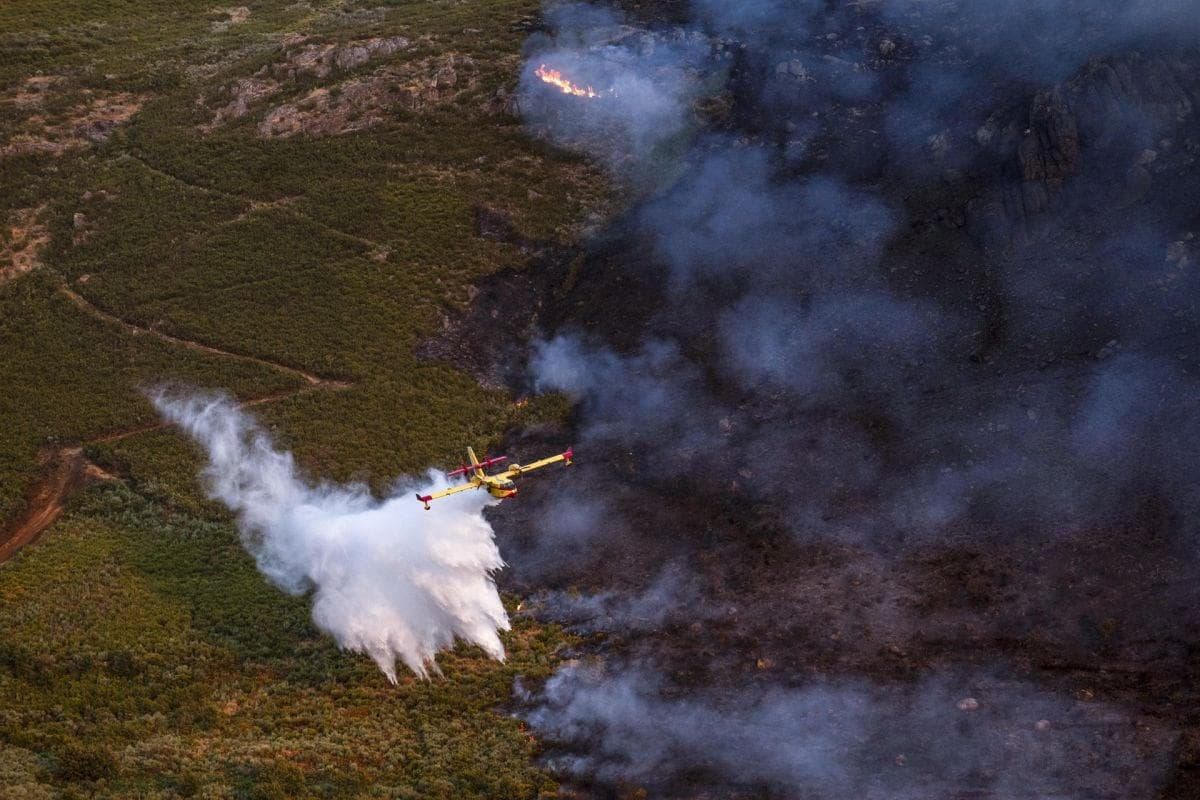
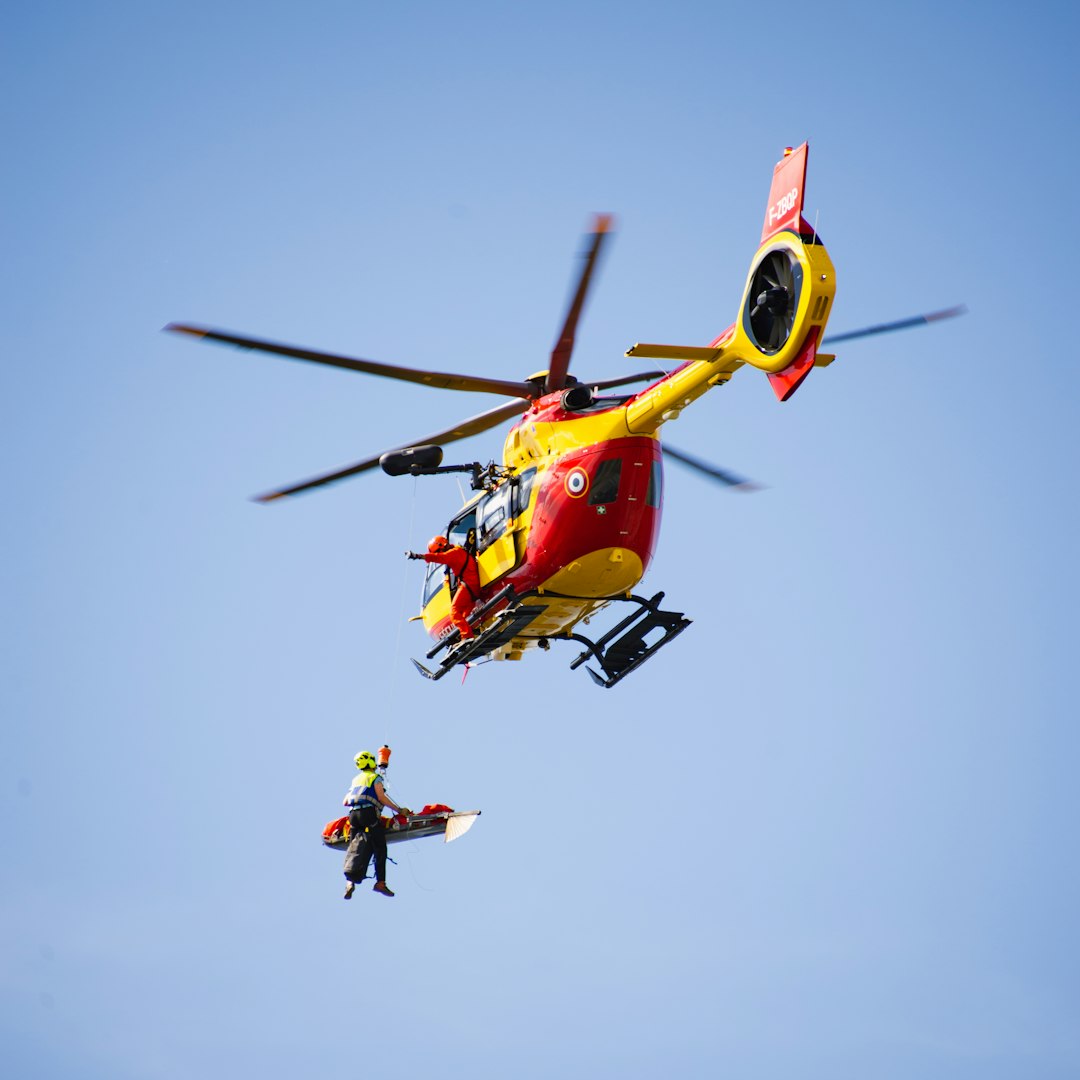
Bucharest: The first helicopter in the new rescEU fleet, delivered to Romania in January 2026, has now completed its certification and ground-crew training cycle and is on call for the 2026 wildfire season — the operational debut that the European Civil Protection mechanism has been promising since the post-2022 expansion of the strategic reserve. Romania’s General Inspectorate for Emergency Situations took delivery of the rotary-wing asset under the multi-year rescEU procurement that also runs three helicopters across Slovakia, Czechia and Romania and twelve aerial firefighting planes destined for Portugal, Spain, France, Italy, Croatia and Greece. The aircraft side of the package has been the slower track. The fixed-wing fleet, ordered after the 2023 Canadair extension and tender wave, is expected to start arriving in early 2028, which means the 2026 and 2027 seasons will continue to depend heavily on member-state assets seconded into the European Civil Protection Pool.

What the helicopter delivery does, in practice, is reposition Romania from a recipient of cross-border firefighting assistance into a node in the reserve that can be tasked out under the Civil Protection Mechanism. ERCC duty officers can route the asset to Greece, Bulgaria or the western Balkans on the same forty-eight-hour activation that has been used to move Spanish and French Canadairs east in past summers. That mutual deployability is the design intent of rescEU. The Commission’s March 2026 wildfire strategy formalised the shift, mapping the Mediterranean firefighting cycle as a continuous regional operation rather than a series of national peaks.

The strategy also confirmed plans for a European firefighting hub in Cyprus, structured to handle both seasonal operational deployments and a training-and-exercise role for crews from across the bloc. The hub is supposed to bridge two recurring weaknesses in the system as it stood through the 2023 and 2024 seasons — the friction in pre-deploying foreign crews into receiving states under their own national flight rules, and the unevenness in joint-tactics training between national air units. The Cyprus location makes the site an unusual logistical pivot; the hub design assumes the eastern Mediterranean and the southern Balkans as its primary catchment, but with rapid redeployment capability westward across the Aegean.

On the stockpile track, the Commission’s accounting from the latest annual implementation review shows 22 rescEU stockpiles being developed across 16 member states, of which 17 are now fully operational. The stockpile architecture covers medical countermeasures, CBRN response equipment, shelter and water-purification systems, and reserves for cross-border health threats and large-scale evacuation. The figure that civil-protection ministries quote most often when justifying continued funding is that the 2024 and 2025 deployments — into Cyprus during the 2024 fires, into Greece and Slovenia in 2024, and across several flood theatres — moved more equipment under the mechanism than in any previous pair of consecutive years.

The financial envelope is the part that the strategy did not fully resolve. The current rescEU procurement runs against an envelope agreed under the existing multiannual framework, and the post-2027 MFF debate will determine whether the fleet scales to the size that the new Mediterranean climate baseline suggests is necessary. National budgets remain the load-bearing element. The Romanian helicopter is fully EU-funded, but the operating costs, the airspace coordination and the crew availability are member-state responsibilities — the dual structure that gives rescEU its capacity but also its fragility.

For the season now opening, the Romanian contribution is symbolic and operational at the same time. It demonstrates that the post-2022 expansion of the reserve is delivering aircraft into national colours on schedule. It also signals that the operational architecture — the ERCC, the mutual deployability, the Cyprus hub — is the layer that has to mature alongside the hardware over the next two summers.