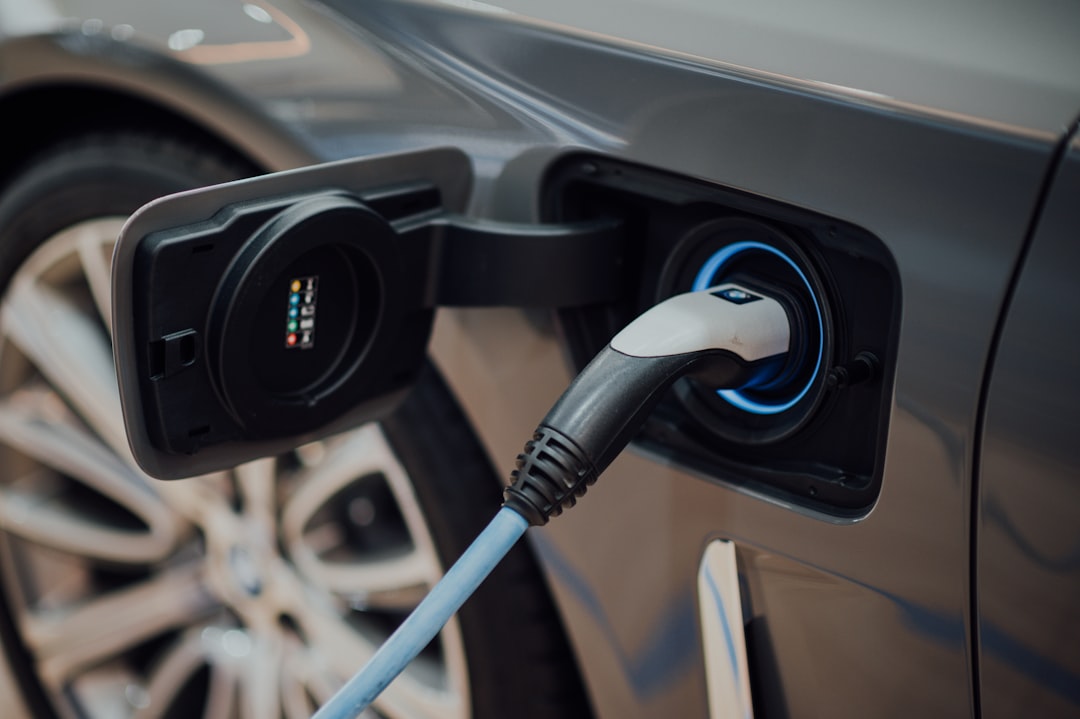
Trieste: The Italian port city’s mobility planners are working through four newly published Commission delegated acts that refine how the Alternative Fuels Infrastructure Regulation will apply to electric vehicle charging and hydrogen refuelling stations across the bloc. The acts, opened for stakeholder consultation in mid-May, address technical specifications for payment terminals, ad-hoc pricing transparency, data-quality standards for the European Alternative Fuels Observatory, and the methodology for measuring whether a Member State has actually delivered on AFIR’s binding deployment targets.
Trieste matters here because the city sits on the Mediterranean TEN-T corridor and operates one of the few Adriatic hubs already deploying high-power charging clusters above 350 kW. AFIR requires every Member State to install fast-charging stations every sixty kilometres along the trans-European core road network, with the first compliance assessment due at the end of this year. The new delegated acts give the Commission the tools to measure that compliance with much greater precision than the original 2023 regulation allowed.
The most consequential of the four texts is the methodology for ad-hoc pricing transparency. Drivers using a fast charger should be able to see, before they begin the session, the per-kilowatt-hour price, the connection fee, any blocking fees that apply if the vehicle remains plugged in after charging completes, and the total expected cost for a typical session. Operators that currently rely on app-based pricing models, where the price only becomes visible after authentication, will have to redesign their interfaces. Industry associations have warned in their consultation submissions that the timeline for compliance, currently set at twelve months after entry into force, is too tight for retrofitted stations.
The Commission has also tabled fresh recommendations on affordable and accessible mobility, framed under the European Pillar of Social Rights and tied to the Social Climate Fund. That fund, scheduled to mobilise EUR 86.7 billion between 2026 and 2032, can be used by capitals to subsidise access to zero-emission vehicles, including second-hand electric cars, and to underwrite public charging infrastructure in regions that the market has so far avoided. The recommendations highlight social leasing schemes already running in France and pilot subsidy programmes in Spain as models other Member States should consider replicating.
For regional governments, the question is how to braid AFIR compliance, Social Climate Fund disbursements and national recovery plan investments into a coherent rollout strategy. The Friuli Venezia Giulia regional government, which oversees Trieste’s port and road infrastructure, is preparing a regional alternative-fuels plan that uses recovery-plan money for the physical hardware and Social Climate Fund money for end-user subsidies. Officials describe the architecture as workable but fragile, and warn that any delay in the Commission’s final adoption of the delegated acts could push back the regional plan by a quarter.
The consultation on the four delegated acts closes in mid-July. The Commission has indicated it intends to adopt all four texts before the autumn AFIR compliance assessment, ensuring that the first formal measurement of Member State progress applies the refined methodology rather than the looser baseline of the underlying regulation. For Trieste and the dozens of other corridor cities watching the process, the timing matters because the difference between a green light and an early infringement letter could rest on which version of the rules applies on 31 December.