Manila: Few trade negotiations carry a backstory as instructive as the one between the European Union and the Philippines, and few are closer to a conclusion that once seemed permanently out of reach. Talks first opened in 2015, then collapsed amid European unease over the human-rights record of the Duterte government. They were revived in 2024, and now negotiators on both sides speak openly of finishing the job in the second half of this year, with Manila’s trade ministry privately targeting June or July. After a decade of false starts, the finish line is finally visible.
The urgency is not sentimental. A special tariff arrangement that grants Philippine exporters duty-free access to the European market for more than seven thousand product lines expires at the end of 2027. Without a comprehensive agreement to replace it, Filipino exporters of garments, processed food and electronics would face tariffs that could erase their competitive edge overnight. That cliff edge has concentrated minds in Manila and given Brussels unusual leverage, a dynamic that explains why the pace has quickened after years of drift.
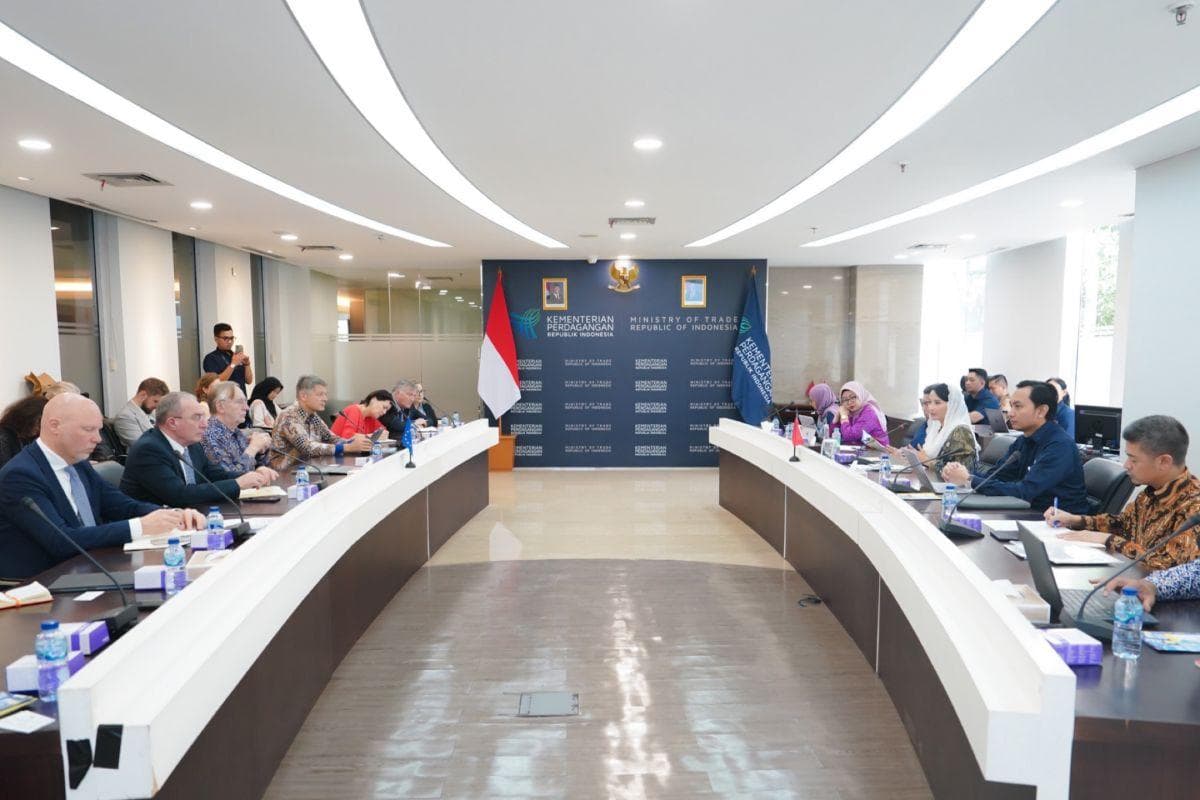
The fifth round of negotiations wrapped up in Brussels earlier this spring, with both delegations reporting progress across goods, services, investment and government procurement. Another round is scheduled in the European capital at the end of June, when the hardest chapters come to the table. Agriculture, as ever, is sensitive, and government procurement has emerged as the thorniest file of all, with European firms pressing for access to Philippine public contracts that Manila has historically guarded. These are the issues that sink deals or seal them.
For the European Union, the agreement fits a broader pattern. Having concluded pacts with New Zealand and others, and pursued talks across South-East Asia, Brussels is methodically assembling a web of bilateral arrangements that reduce its exposure to any single market and deepen its presence in a region where economic gravity is shifting. The Philippines, a young and fast-growing economy of more than a hundred million people positioned at the heart of the Indo-Pacific, is a logical node in that strategy rather than a marginal addition.
There is also a quieter calculation at work. Europe’s trade diplomacy increasingly doubles as geopolitics by other means, binding partners closer through commerce in a region contested by larger powers. A deal with Manila signals that the Union intends to be an economic actor in the Indo-Pacific and not merely a distant rule-setter issuing statements. The values clauses on labour and environment that derailed earlier attempts remain part of the package, but both sides now appear willing to find language they can live with.
None of this guarantees a signature by summer. Trade agreements have a habit of stumbling over their final, most political chapters, and a deadline driven by an expiring tariff scheme cuts both ways, raising the cost of failure but also the temptation to settle for less. Still, the trajectory is unmistakable. What began in 2015 and died in acrimony has been resurrected as a near-finished accord. For a partnership long defined by what kept it apart, that is a notable reversal, and one Europe will be keen to bank before the year is out.