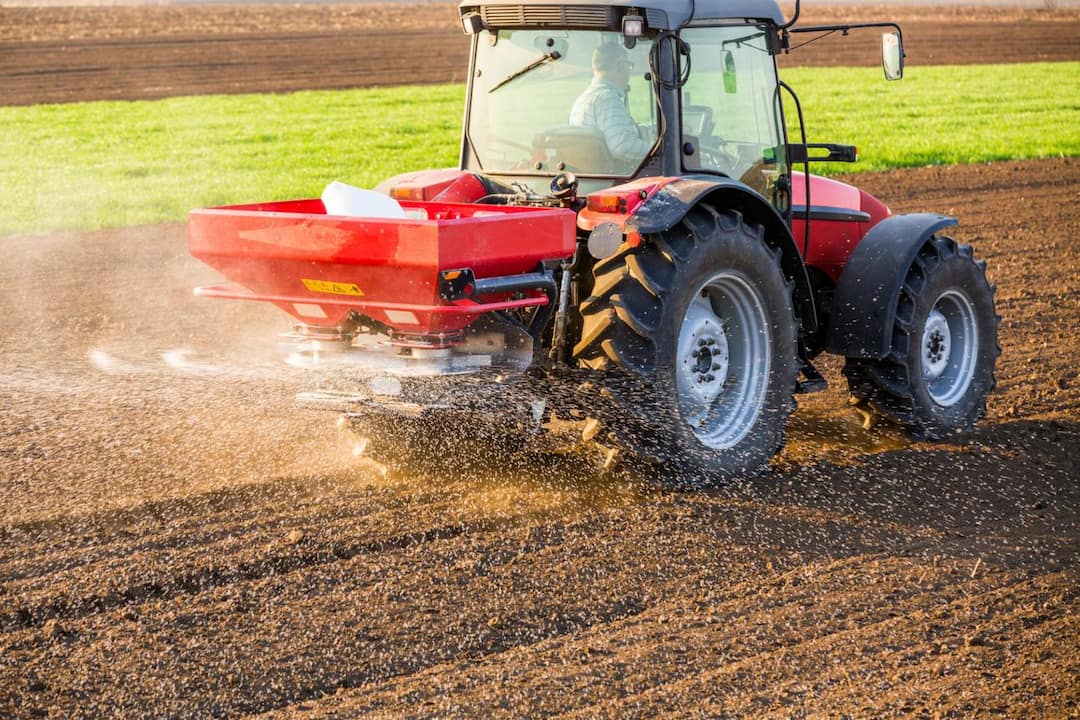
Brussels: A quiet crisis in the soil has pushed the European Commission into action this week, with the adoption of a Fertiliser Action Plan that treats nutrients for crops as a matter of food security rather than mere agricultural housekeeping. The logic is uncomfortable but simple. When fertiliser becomes too expensive, farmers spread less of it, and fields that receive less nitrogen and phosphorus produce smaller harvests. Stretched across a continent, those individual decisions add up to a measurable dent in Europe’s ability to feed itself.
The plan responds to years of price turbulence that have left European growers paying far more for inputs than many of their global competitors. Natural gas, the raw material behind most synthetic nitrogen fertiliser, sits at the heart of the problem. High and volatile energy prices have squeezed the bloc’s own fertiliser manufacturers, several of which have idled plants, while imports have filled the gap on unpredictable terms. The Commission’s worry is that this leaves both farmers and the wider food chain exposed to shocks they cannot control.
In the short term, officials say they will reach for instruments already inside the Common Agricultural Policy to cushion the farmers hit hardest. A reinforcement of the agricultural reserve, the pot of money kept aside for exactly these kinds of emergencies, is expected to be proposed before the summer break. That would allow targeted payments to reach producers struggling with input bills without waiting for the next budget cycle, though the size of any top-up will quickly become a point of contention among member states already nervous about spending.
The longer game is industrial. The Commission wants a stronger domestic fertiliser sector that does not collapse every time gas prices spike, and it frames this as part of the broader push for European autonomy that runs through its 2026 work programme. That ambition sits awkwardly beside the bloc’s environmental commitments, because fertiliser production and overuse are both significant sources of emissions and water pollution. Squaring cheaper, more secure supply with the goal of cutting nutrient runoff will be the test of whether this plan is coherent or merely reassuring.
Farm groups have broadly welcomed the recognition that input costs, not just output prices, determine whether agriculture stays viable. Environmental campaigners are warier, arguing that subsidising fertiliser use risks locking in a high-input model precisely when Europe should be rewarding farmers who need less of it. Both camps will be watching the detail, because an action plan is only as good as the regulations and money that follow it.
What makes this intervention notable is the shift in framing. For years fertiliser policy lived in the technical margins of agricultural debate. By placing it alongside energy and defence as a strategic dependency, the Commission is signalling that the security of Europe’s dinner table now depends on the security of its supply chains. Whether the follow-through matches the rhetoric will determine if this is a turning point or another well-intentioned document. For now, farmers facing another planting season with tight margins will judge it by a single question, which is whether the help arrives before the next harvest is already compromised.