August 9, 2026
LATEST
New EU Gas Market Rules Take Effect With Consumer SafeguardsDeforestation Regulation Holds Its December Deadline Despite CutsDigital Omnibus Delays Europe’s High-Risk AI Deadline to 2027Europe’s Schools Confront a Widening Basic Skills GapRule of Law Report Finds Progress but Trust Still LagsIRIS2 Gains 66 Satellites as Brussels Signs the Rollout DealNature Restoration Plans Come Due as Member States Race a DeadlineECB Rates Hold at 2.25 Percent as Frankfurt Waits on the DataEU Budget Talks Turn to Cohesion as Ireland Takes OverWildfire Response Stretches Europe’s Emergency Fleet ThinCan Europe’s Quantum Plan Match Its Big Ambitions?Armenia Edges West as Moscow’s Grip Slips AwayEurope Inherits the World’s Aid Bill It Cannot Fully PayAir Passenger Rights Get Their First Overhaul in Two DecadesErasmus Opens a 5 Billion Euro Round for Skills and MobilityCeuta Crisis Pushes the EU Toward Faster Migrant ReturnsBulky Parcels Face a Packaging Crackdown From August 12Can Europe Build Its Drone Wall Before 2030 Arrives?Indonesia’s Trade Deal With Europe Nears Its Final SignatureEurope Leans on Beijing to Keep Climate Talks Alive Before AntalyaNew EU Gas Market Rules Take Effect With Consumer SafeguardsDeforestation Regulation Holds Its December Deadline Despite CutsDigital Omnibus Delays Europe’s High-Risk AI Deadline to 2027Europe’s Schools Confront a Widening Basic Skills GapRule of Law Report Finds Progress but Trust Still LagsIRIS2 Gains 66 Satellites as Brussels Signs the Rollout DealNature Restoration Plans Come Due as Member States Race a DeadlineECB Rates Hold at 2.25 Percent as Frankfurt Waits on the DataEU Budget Talks Turn to Cohesion as Ireland Takes OverWildfire Response Stretches Europe’s Emergency Fleet ThinCan Europe’s Quantum Plan Match Its Big Ambitions?Armenia Edges West as Moscow’s Grip Slips AwayEurope Inherits the World’s Aid Bill It Cannot Fully PayAir Passenger Rights Get Their First Overhaul in Two DecadesErasmus Opens a 5 Billion Euro Round for Skills and MobilityCeuta Crisis Pushes the EU Toward Faster Migrant ReturnsBulky Parcels Face a Packaging Crackdown From August 12Can Europe Build Its Drone Wall Before 2030 Arrives?Indonesia’s Trade Deal With Europe Nears Its Final SignatureEurope Leans on Beijing to Keep Climate Talks Alive Before Antalya
August 9, 2026
LATEST
New EU Gas Market Rules Take Effect With Consumer SafeguardsDeforestation Regulation Holds Its December Deadline Despite CutsDigital Omnibus Delays Europe’s High-Risk AI Deadline to 2027Europe’s Schools Confront a Widening Basic Skills GapRule of Law Report Finds Progress but Trust Still LagsIRIS2 Gains 66 Satellites as Brussels Signs the Rollout DealNature Restoration Plans Come Due as Member States Race a DeadlineECB Rates Hold at 2.25 Percent as Frankfurt Waits on the DataEU Budget Talks Turn to Cohesion as Ireland Takes OverWildfire Response Stretches Europe’s Emergency Fleet ThinCan Europe’s Quantum Plan Match Its Big Ambitions?Armenia Edges West as Moscow’s Grip Slips AwayEurope Inherits the World’s Aid Bill It Cannot Fully PayAir Passenger Rights Get Their First Overhaul in Two DecadesErasmus Opens a 5 Billion Euro Round for Skills and MobilityCeuta Crisis Pushes the EU Toward Faster Migrant ReturnsBulky Parcels Face a Packaging Crackdown From August 12Can Europe Build Its Drone Wall Before 2030 Arrives?Indonesia’s Trade Deal With Europe Nears Its Final SignatureEurope Leans on Beijing to Keep Climate Talks Alive Before AntalyaNew EU Gas Market Rules Take Effect With Consumer SafeguardsDeforestation Regulation Holds Its December Deadline Despite CutsDigital Omnibus Delays Europe’s High-Risk AI Deadline to 2027Europe’s Schools Confront a Widening Basic Skills GapRule of Law Report Finds Progress but Trust Still LagsIRIS2 Gains 66 Satellites as Brussels Signs the Rollout DealNature Restoration Plans Come Due as Member States Race a DeadlineECB Rates Hold at 2.25 Percent as Frankfurt Waits on the DataEU Budget Talks Turn to Cohesion as Ireland Takes OverWildfire Response Stretches Europe’s Emergency Fleet ThinCan Europe’s Quantum Plan Match Its Big Ambitions?Armenia Edges West as Moscow’s Grip Slips AwayEurope Inherits the World’s Aid Bill It Cannot Fully PayAir Passenger Rights Get Their First Overhaul in Two DecadesErasmus Opens a 5 Billion Euro Round for Skills and MobilityCeuta Crisis Pushes the EU Toward Faster Migrant ReturnsBulky Parcels Face a Packaging Crackdown From August 12Can Europe Build Its Drone Wall Before 2030 Arrives?Indonesia’s Trade Deal With Europe Nears Its Final SignatureEurope Leans on Beijing to Keep Climate Talks Alive Before Antalya

Jakarta’s Nickel Deal Forces Europe To Rethink Its Green Trade

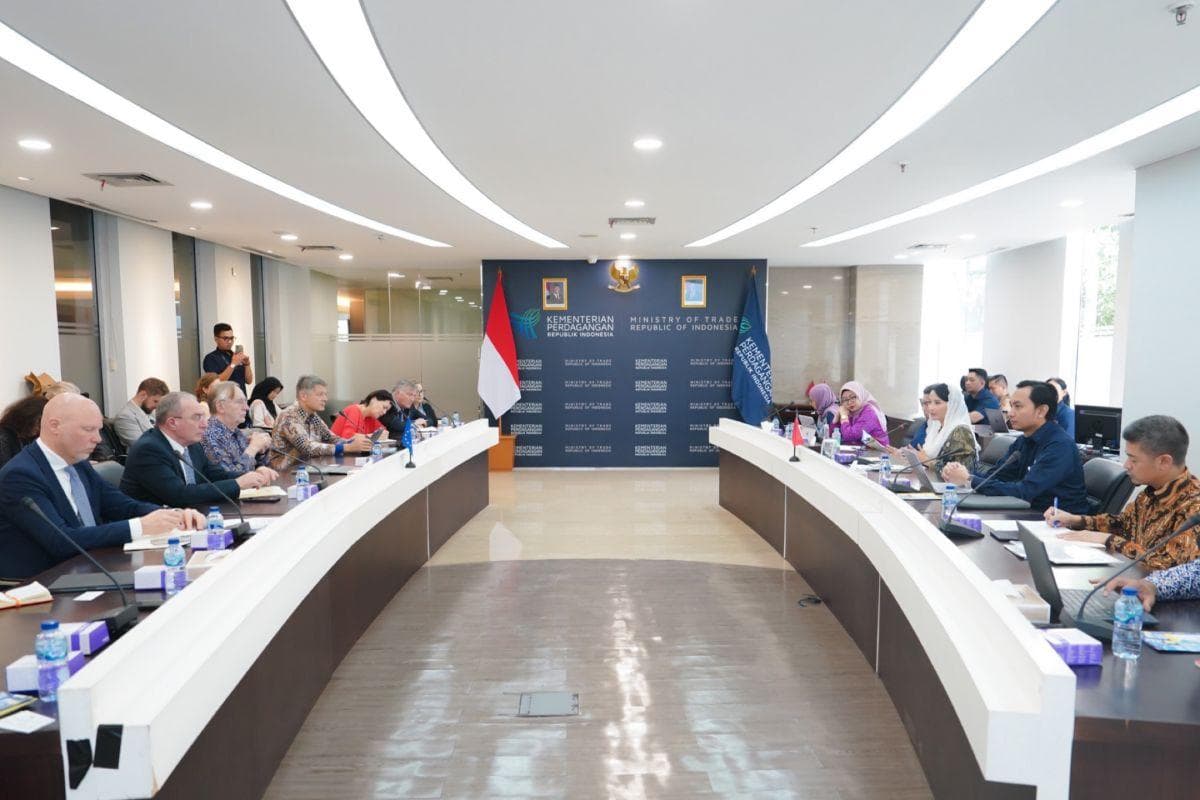
Jakarta: The trade agreement the European Union concluded with Indonesia is, on paper, an unremarkable document about tariff lines and market access. In practice it is one of the more consequential tests of whether Europe can pursue commercial interest and environmental principle at the same time without one quietly defeating the other. The Comprehensive Economic Partnership Agreement, finalised after nearly a decade of talks and now moving toward entry into force in 2027, eliminates duties on more than ninety-eight percent of tariff lines. But the figures conceal the real story, which is a negotiation over standards, sustainability and the limits of European leverage.

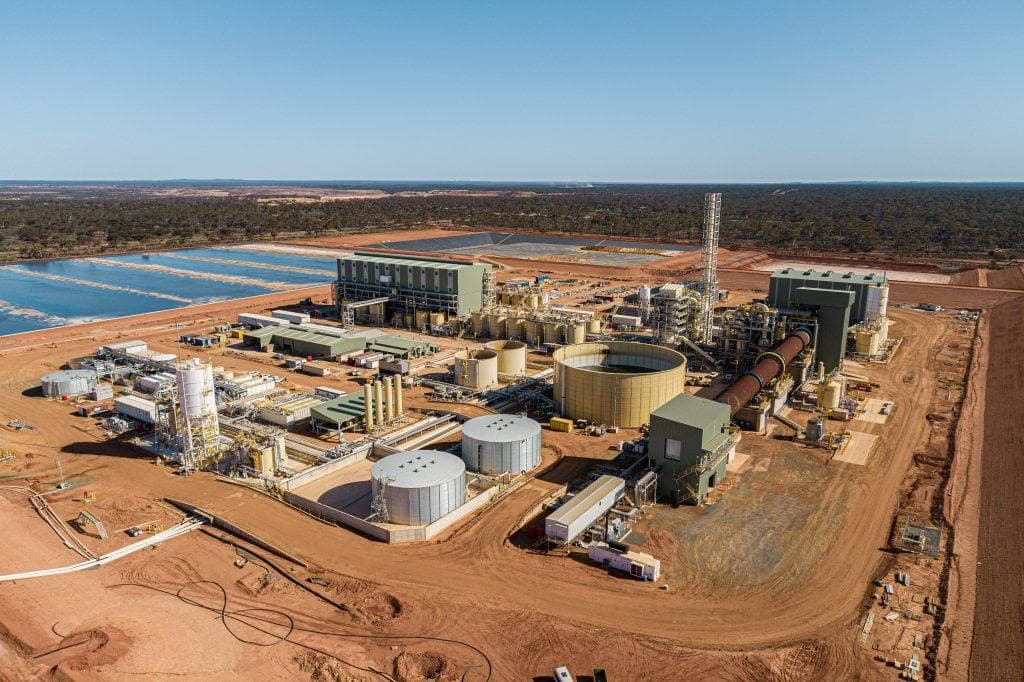
For Brussels the prize is straightforward. Indonesia sits on the world’s largest nickel reserves, a metal indispensable to batteries and therefore to Europe’s industrial transition. Securing predictable, non-discriminatory access to that supply, and to cobalt and other raw materials, has become a strategic priority as the bloc tries to loosen its dependence on a handful of dominant processors. The agreement bars dual pricing and unjustified government interventions in raw material flows, the kind of measures Jakarta has previously used to force foreign investors to build smelters on Indonesian soil.

For Indonesia the calculation is different and more political. Palm oil, the country’s signature export, has long been the friction point. European duties will disappear when the deal takes effect, yet the more punishing barrier sits outside the agreement entirely, in the bloc’s deforestation regulation, which threatens to shut non-compliant producers out of the market regardless of tariff treatment. Jakarta has treated that rule as thinly disguised protectionism dressed in green language. The agreement does not resolve the dispute so much as create a forum for managing it, linking European and Indonesian sustainability schemes in the hope that mutual recognition can substitute for confrontation.

This is where the agreement becomes a study in the limits of European power. Brussels likes to present its standards as universal, exported through the gravitational pull of its single market. Indonesia, the largest economy in Southeast Asia and an increasingly confident middle power, is not inclined to accept rules it had no part in writing. The deal that emerged is therefore a compromise between a bloc that wants to set the terms of sustainable trade and a partner that insists on shaping them. Whether the resulting framework actually reduces deforestation or simply provides cover for business as usual will not be clear for years.

The wider context sharpens the stakes. Indonesia is courting suitors. It has pursued parallel arrangements with Canada and others, and its strategic value gives it room to bargain that smaller economies lack. For Europe, locking in a relationship now is partly about commerce and partly about presence, a way of remaining relevant in a region where its weight is fading relative to the established Pacific powers. The agreement is as much a diplomatic statement as an economic one.

None of this guarantees success. Trade deals signed in a spirit of strategic urgency have a way of disappointing once the negotiators leave and the implementing bureaucracies take over. Sustainability commitments are easy to write and hard to verify. Yet the Indonesia agreement matters precisely because it refuses the easy path of choosing growth over principle or principle over growth. It bets that the two can be reconciled. The coming years will reveal whether that bet was wisdom or wishful thinking.