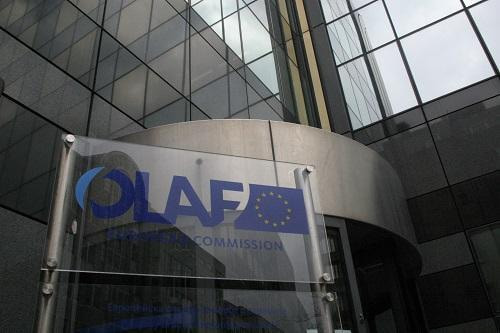
A decade of headline numbers can flatter a watchdog, and the European Anti-Fraud Office now has a very large one to point to. Over the past ten years its investigations have helped claw back some 6.8 billion euro to the Union budget and stopped a further 873 million euro from ever leaving it. Read quickly, that is a story of an institution doing its job. Read carefully, it is something less comforting: confirmation that fraud against the common purse remains a structural feature of how Europe spends, not an aberration that better paperwork has banished.
The office, known by its French acronym OLAF, set out its latest accounts this spring. In 2025 it closed 209 investigations, opened 254 new ones, and recommended the recovery of almost 600 million euro in misused funds while preventing roughly 18 million from being spent improperly. The sheer churn matters. A backlog that grows faster than it clears suggests detection is improving, but it also hints that the underlying behaviour is not slowing down. Each closed file represents money already gone or nearly so, recovered only after the damage was done.
What gives this year’s figures sharper edges is where the meeting to discuss them took place. In early June the fourth OLAF Expenditure Conference convened in Agia Napa, hosted under the Cypriot presidency of the Council and built around a blunt three-word theme: prevent, detect, investigate. The ordering is deliberate. For years the emphasis fell on the last two verbs, on the satisfying spectacle of exposing wrongdoing after the fact. The new language pushes prevention to the front, an admission that recovering a euro is far costlier and less certain than never losing it.
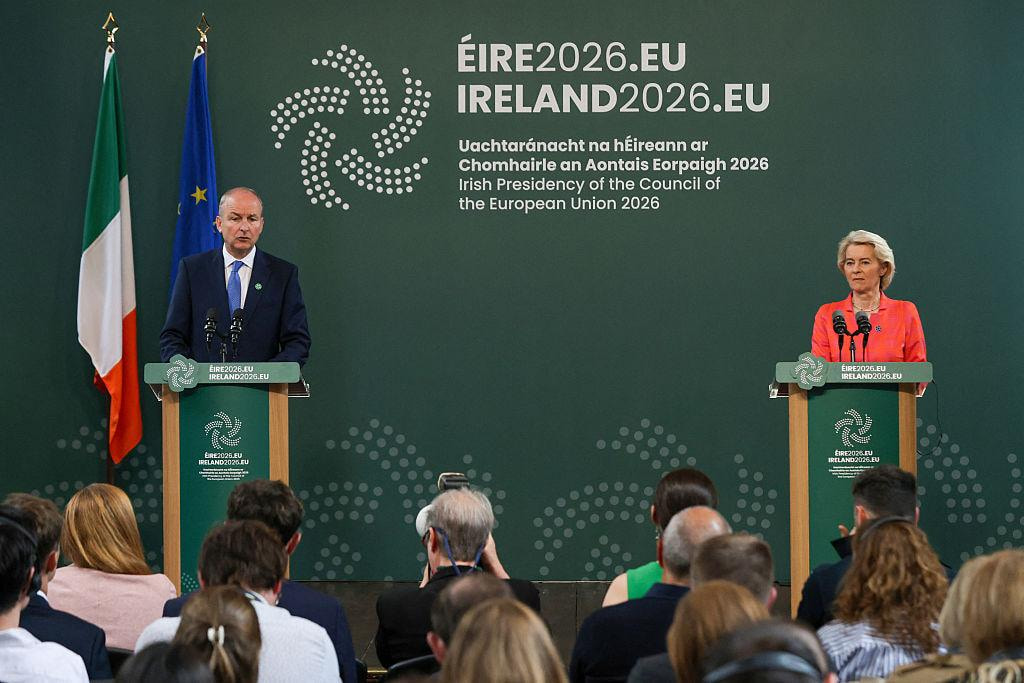
Cyprus offered a concrete example of what that shift looks like on the ground. The island used the conference to launch its first National Anti-Fraud Strategy for the period running to 2031, a single framework covering cohesion money, farm payments, fisheries support, migration funding and the recovery facility that channels post-pandemic billions. Developed with help from the OECD, it comes with a five-year action plan naming responsible authorities and monitoring indicators. The detail is the point. Vague commitments to integrity have never been in short supply; what tends to be missing is the unglamorous machinery that turns intention into traceable, auditable practice.
The harder question hanging over the conference is whether national systems can keep pace with the money now flowing through them. The recovery facility in particular has pushed unprecedented sums into capitals on tight timelines, and speed and scrutiny rarely move in the same direction. Investigations into the misuse of rural development funds, including a case in Hungary that surfaced earlier this year, are a reminder that agricultural and cohesion spending remain perennial weak points, dispersed across thousands of recipients and difficult to police from Brussels.
There is also a quieter institutional tension. OLAF can investigate and recommend, but it cannot compel a member state to recover anything; that power rests with national authorities whose enthusiasm varies. The creation of the European Public Prosecutor’s Office was meant to close part of that gap by adding criminal teeth, yet the two bodies must now divide labour without tripping over each other. Coordination on paper is easier than coordination in practice, and fraudsters tend to exploit precisely the seams between jurisdictions.
None of this diminishes the recovered billions. But the figure is best understood as a measure of effort rather than victory. A budget that loses hundreds of millions a year to fraud, and recovers much of it only slowly and partially, is not a budget that has solved its problem. The move toward prevention is the right instinct. Whether twenty-seven national administrations, each with its own incentives and capacity, can actually deliver it is the test that the next decade of numbers will quietly record.