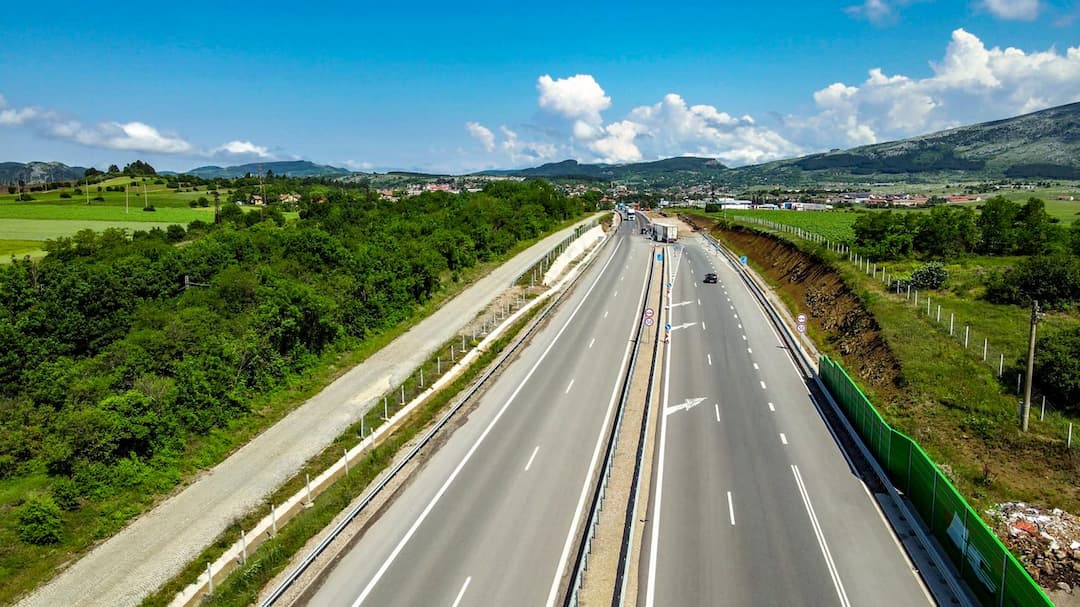
Palermo: For decades the great rivers of EU money that flow toward poorer regions had a settled purpose, paying for roads, training schemes, broadband and the slow work of helping lagging areas catch up with the wealthy core. That bargain is now being rewritten in real time. Through a mid-term review of the current funding cycle, governments have begun redirecting cohesion money toward a new set of priorities shaped by war on the continent’s edge, an energy shock and growing anxiety about competitiveness.
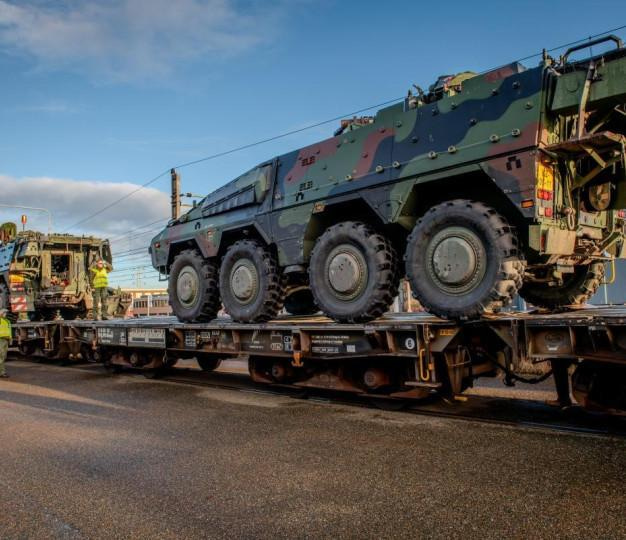
The scale of the shift is already visible. The Commission has reported that just under thirty-five billion euros has been redirected as regions reassign part of their allocations, and officials have suggested that far larger sums, drawn from a pool worth well over a hundred billion, could ultimately be redeployed. The review hands authorities a flexibility reserve covering roughly half of the funds earmarked for the final years of the cycle, and with it the chance to pour money into defence and security, support for border regions, affordable and social housing, water resilience and the decarbonisation of industry.
To encourage rapid reallocation, the rules dangle incentives that regional authorities find hard to refuse, including larger up-front payments, higher rates of EU co-financing and longer deadlines to spend the money. A regional commissioner has gone so far as to suggest that the funds could help cushion the energy crisis, a striking expansion of what cohesion policy was traditionally meant to do. Lawmakers approved the overhaul by a comfortable margin, with four hundred and forty votes in favour against a sizeable bloc of opponents and abstentions.
That opposition reflects a genuine unease about what the changes mean. Cohesion policy was built to narrow the gap between Europe’s richest and poorest regions, a mission rooted in solidarity and treaty obligation. Critics, including environmental campaigners and some regional governments, warn that turning the funds into an all-purpose emergency toolbox risks crowding out their original development purpose, leaving the poorest areas to fund tanks and pipelines rather than the schools, clinics and transport links that close long-run disparities.
Defenders of the review respond that solidarity means little if the Union cannot respond to the crises actually confronting its citizens. A region on the eastern frontier, they argue, may need investment in security as urgently as in skills, and a town crushed by energy bills may see decarbonisation as the most direct route to prosperity. The flexibility, they insist, is a tool offered to regions, not a mandate imposed on them, and many authorities will continue to spend on classic development goals.
The deeper question is what this episode foreshadows for the bloc’s next long-term budget, where the future shape of cohesion policy is fiercely contested. Some want regional funding folded into national plans negotiated with capitals; others insist that regions and cities must keep a direct voice. The mid-term review, by showing how quickly settled money can be turned to new ends, has sharpened that argument rather than settling it.