August 9, 2026
LATEST
New EU Gas Market Rules Take Effect With Consumer SafeguardsDeforestation Regulation Holds Its December Deadline Despite CutsDigital Omnibus Delays Europe’s High-Risk AI Deadline to 2027Europe’s Schools Confront a Widening Basic Skills GapRule of Law Report Finds Progress but Trust Still LagsIRIS2 Gains 66 Satellites as Brussels Signs the Rollout DealNature Restoration Plans Come Due as Member States Race a DeadlineECB Rates Hold at 2.25 Percent as Frankfurt Waits on the DataEU Budget Talks Turn to Cohesion as Ireland Takes OverWildfire Response Stretches Europe’s Emergency Fleet ThinCan Europe’s Quantum Plan Match Its Big Ambitions?Armenia Edges West as Moscow’s Grip Slips AwayEurope Inherits the World’s Aid Bill It Cannot Fully PayAir Passenger Rights Get Their First Overhaul in Two DecadesErasmus Opens a 5 Billion Euro Round for Skills and MobilityCeuta Crisis Pushes the EU Toward Faster Migrant ReturnsBulky Parcels Face a Packaging Crackdown From August 12Can Europe Build Its Drone Wall Before 2030 Arrives?Indonesia’s Trade Deal With Europe Nears Its Final SignatureEurope Leans on Beijing to Keep Climate Talks Alive Before AntalyaNew EU Gas Market Rules Take Effect With Consumer SafeguardsDeforestation Regulation Holds Its December Deadline Despite CutsDigital Omnibus Delays Europe’s High-Risk AI Deadline to 2027Europe’s Schools Confront a Widening Basic Skills GapRule of Law Report Finds Progress but Trust Still LagsIRIS2 Gains 66 Satellites as Brussels Signs the Rollout DealNature Restoration Plans Come Due as Member States Race a DeadlineECB Rates Hold at 2.25 Percent as Frankfurt Waits on the DataEU Budget Talks Turn to Cohesion as Ireland Takes OverWildfire Response Stretches Europe’s Emergency Fleet ThinCan Europe’s Quantum Plan Match Its Big Ambitions?Armenia Edges West as Moscow’s Grip Slips AwayEurope Inherits the World’s Aid Bill It Cannot Fully PayAir Passenger Rights Get Their First Overhaul in Two DecadesErasmus Opens a 5 Billion Euro Round for Skills and MobilityCeuta Crisis Pushes the EU Toward Faster Migrant ReturnsBulky Parcels Face a Packaging Crackdown From August 12Can Europe Build Its Drone Wall Before 2030 Arrives?Indonesia’s Trade Deal With Europe Nears Its Final SignatureEurope Leans on Beijing to Keep Climate Talks Alive Before Antalya
August 9, 2026
LATEST
New EU Gas Market Rules Take Effect With Consumer SafeguardsDeforestation Regulation Holds Its December Deadline Despite CutsDigital Omnibus Delays Europe’s High-Risk AI Deadline to 2027Europe’s Schools Confront a Widening Basic Skills GapRule of Law Report Finds Progress but Trust Still LagsIRIS2 Gains 66 Satellites as Brussels Signs the Rollout DealNature Restoration Plans Come Due as Member States Race a DeadlineECB Rates Hold at 2.25 Percent as Frankfurt Waits on the DataEU Budget Talks Turn to Cohesion as Ireland Takes OverWildfire Response Stretches Europe’s Emergency Fleet ThinCan Europe’s Quantum Plan Match Its Big Ambitions?Armenia Edges West as Moscow’s Grip Slips AwayEurope Inherits the World’s Aid Bill It Cannot Fully PayAir Passenger Rights Get Their First Overhaul in Two DecadesErasmus Opens a 5 Billion Euro Round for Skills and MobilityCeuta Crisis Pushes the EU Toward Faster Migrant ReturnsBulky Parcels Face a Packaging Crackdown From August 12Can Europe Build Its Drone Wall Before 2030 Arrives?Indonesia’s Trade Deal With Europe Nears Its Final SignatureEurope Leans on Beijing to Keep Climate Talks Alive Before AntalyaNew EU Gas Market Rules Take Effect With Consumer SafeguardsDeforestation Regulation Holds Its December Deadline Despite CutsDigital Omnibus Delays Europe’s High-Risk AI Deadline to 2027Europe’s Schools Confront a Widening Basic Skills GapRule of Law Report Finds Progress but Trust Still LagsIRIS2 Gains 66 Satellites as Brussels Signs the Rollout DealNature Restoration Plans Come Due as Member States Race a DeadlineECB Rates Hold at 2.25 Percent as Frankfurt Waits on the DataEU Budget Talks Turn to Cohesion as Ireland Takes OverWildfire Response Stretches Europe’s Emergency Fleet ThinCan Europe’s Quantum Plan Match Its Big Ambitions?Armenia Edges West as Moscow’s Grip Slips AwayEurope Inherits the World’s Aid Bill It Cannot Fully PayAir Passenger Rights Get Their First Overhaul in Two DecadesErasmus Opens a 5 Billion Euro Round for Skills and MobilityCeuta Crisis Pushes the EU Toward Faster Migrant ReturnsBulky Parcels Face a Packaging Crackdown From August 12Can Europe Build Its Drone Wall Before 2030 Arrives?Indonesia’s Trade Deal With Europe Nears Its Final SignatureEurope Leans on Beijing to Keep Climate Talks Alive Before Antalya

Vaccine Contract Secrecy Draws a Rebuke From the Court’s Adviser

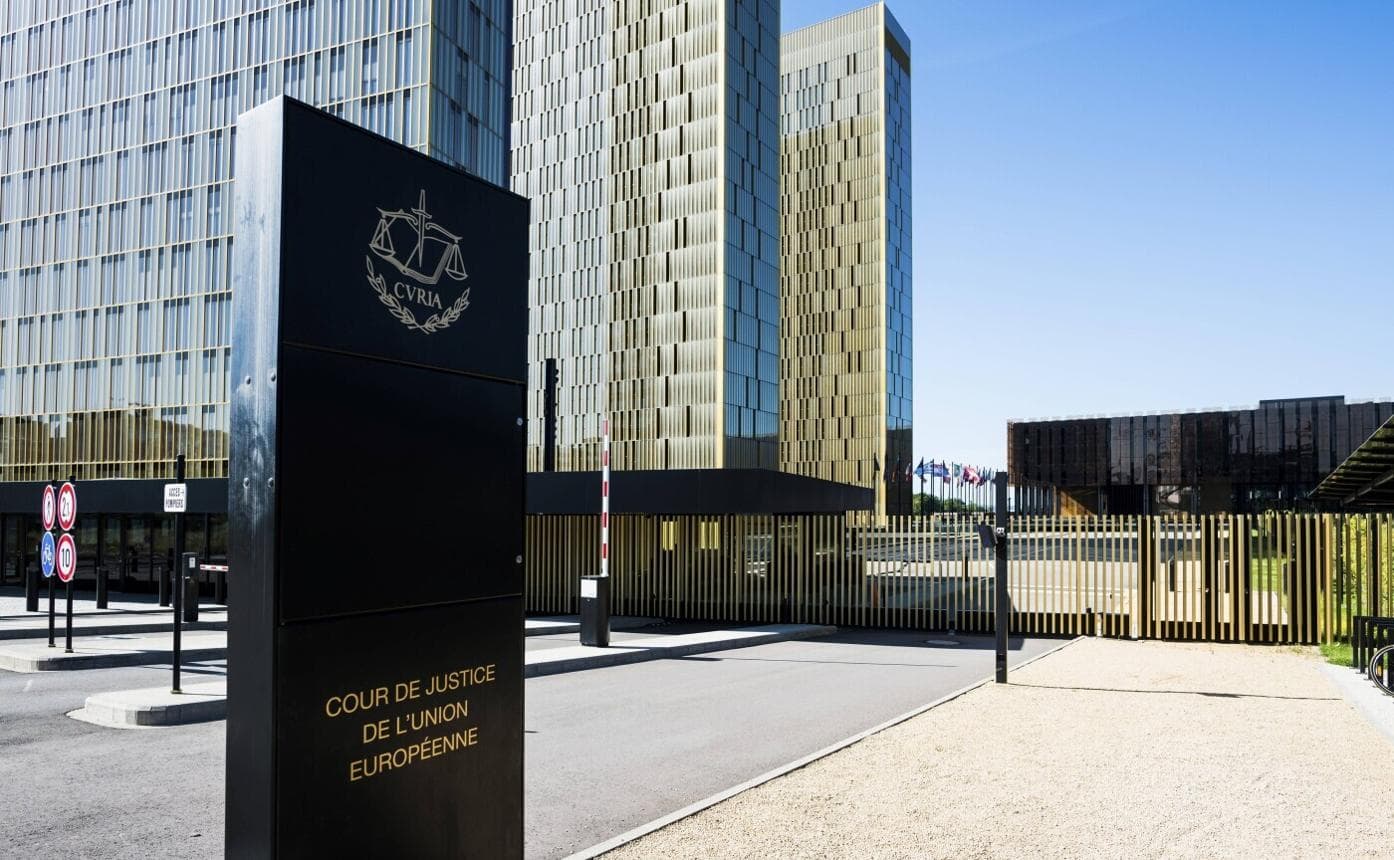
Luxembourg: The long fight over how much the public is entitled to know about the European Union’s pandemic vaccine deals took a significant turn on 11 June, when an adviser to the Court of Justice told the judges that the European Commission had kept too much of those contracts hidden. The opinion, delivered by Advocate General Athanasios Rantos, concluded that the executive failed to grant citizens sufficiently broad access to the agreements under which the bloc bought Covid-19 vaccines, and that its refusals could not stand as they were.

The dispute reaches back to the height of the pandemic, when the Commission negotiated, on behalf of all member states, the advance purchase agreements that secured doses from a handful of manufacturers. Those contracts committed enormous sums of public money, yet large portions were blacked out when access was requested, with redactions covering indemnity clauses, pricing and other terms. Members of the European Parliament and individual citizens challenged the secrecy, arguing that the public had a right to scrutinise deals struck in their name and with their taxes.

Access to documents is not a courtesy in EU law but a right, anchored in the bloc’s treaties and its Charter of Fundamental Rights, and the institutions may withhold material only on specific grounds such as protecting commercial interests or privacy. The Advocate General’s view, in essence, is that the Commission stretched those exceptions too far, treating broad swathes of the contracts as confidential without adequately showing why disclosure would cause real harm. Transparency, in this reading, is the default, and secrecy the exception that must be justified line by line.

An Advocate General’s opinion does not settle the matter. It is advice, not judgment, and the Court of Justice is free to depart from it when it rules in the months ahead. In practice, however, these opinions carry considerable weight and are followed more often than not, which is why this one will unsettle officials who had hoped the contracts controversy was fading into history. A judgment endorsing the Advocate General would force a fuller release and set a precedent stiffening the transparency obligations that bind every EU institution.

The wider significance lies in that precedent. Governments and agencies routinely invoke commercial confidentiality to shield dealings with private contractors, from medicines to defence equipment to digital infrastructure, and a firm ruling on the vaccine files would narrow the room to do so. It would reaffirm that when public bodies spend public money, the burden falls on them to explain what they must hide rather than on citizens to prove they deserve to see it.

The episode also speaks to the politics of trust. The vaccine programme was, by the measure of doses delivered, a success that the Commission has been keen to celebrate, yet the secrecy around its terms became a lasting grievance and fed suspicion among those already sceptical of decisions taken far from home. A clear judicial signal that the public was entitled to more would not rewrite that history, but it would underline a principle the Union likes to claim as its own, that legitimacy rests on openness, and that even crises do not suspend the right to know.