Twice a year, the area around Rue de la Loi turns into something closer to a fortress than a neighbourhood, and this week’s edition looks set to be among the most consequential in years. On 18 and 19 June, the European Council buildings will host a summit whose agenda reads like a checklist of nearly every pressure point currently testing the Union’s governance model at once.
The practical signs are already visible. The city authorities have confirmed a security perimeter around the Council quarter, with restricted access on Rue Archimede, Avenue de Cortenbergh and Rue de la Loi itself, a parking ban above ground, and entry limited to authorised personnel on foot within the cordon. Residents and commuters in the European Quarter have learned to read these arrangements as a rough proxy for how much is riding on a given meeting, and this one’s footprint is unusually wide.
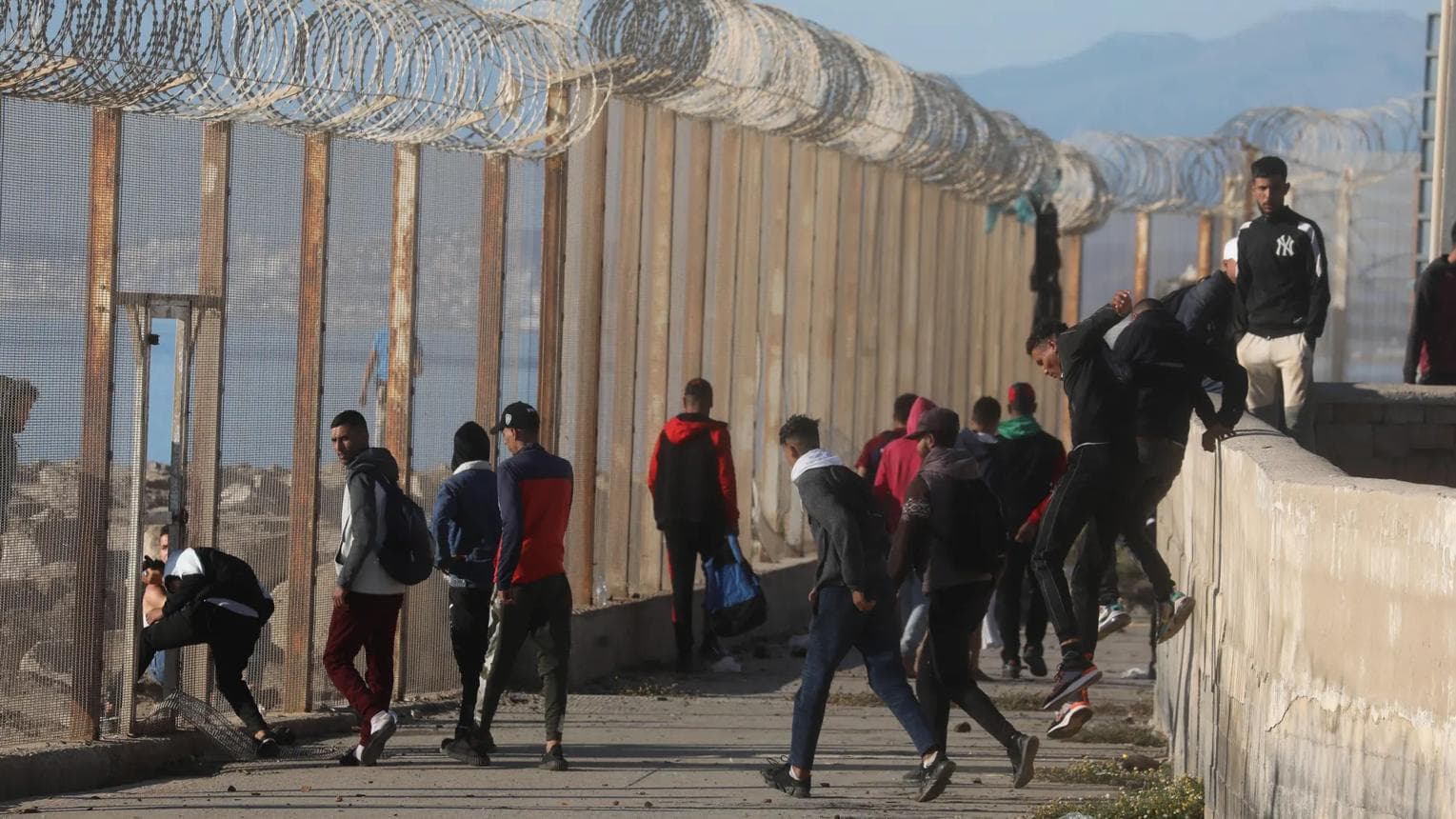
The published agenda bears that out. Leaders are due to address Ukraine, the Middle East, competitiveness and the broader global economic outlook, the shape of the next multiannual financial framework, defence and security, and migration alongside the cross-border trade in illicit drugs. Any one of those would normally anchor a summit on its own; having all of them on the same two-day agenda is a function of how compressed the EU’s crisis calendar has become.
Two threads are likely to dominate. The first is money: the next long-term EU budget, covering the period from 2028, is entering the phase where competing national priorities, from cohesion funding to defence spending to repayment of joint borrowing, have to be reconciled into a single framework that all 27 capitals can accept. The second is security, sharpened by recent incidents including a Russian drone that crashed into a residential building in Romania, which officials have cited as evidence that the bloc’s eastern flank needs faster, more concrete defence commitments rather than further declarations of intent.
There is also an institutional dimension that rarely gets its own headline but shapes everything else: the summit offers leaders a chance to formally welcome the opening of the first negotiating cluster in the accession talks with Ukraine and Moldova, a process that cleared its own procedural hurdles earlier this month. Folding that milestone into a summit already laden with budget and defence questions illustrates how enlargement, once treated as a slow-moving technical track, has become entangled with the Union’s most urgent security debates.
What makes this gathering a genuine test of EU governance is less any single decision than the cumulative load. The European Council operates by consensus on its conclusions, and unanimity still governs many of the underlying legal acts that follow from them, from budget regulations to sanctions packages to accession steps. Stacking the budget, defence, migration and enlargement files into one meeting raises the odds that disagreement on one will spill into horse-trading on another, the kind of linkage that has produced both breakthroughs and prolonged deadlocks in the bloc’s recent history.
For the residents behind the barriers and the officials inside them, the next two days will be judged less by the communique’s language than by whether the EU’s institutions can still move at the speed its external environment now demands.