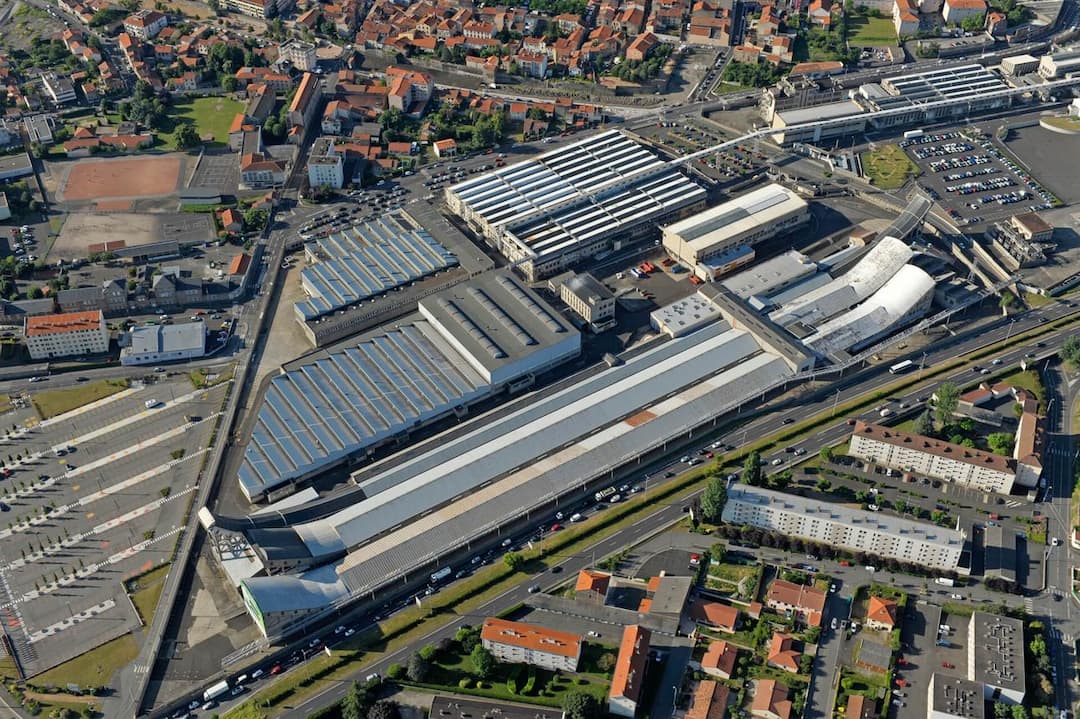
Clermont-Ferrand: In the French city where Michelin has made tyres for more than a century, factory managers greeted a July decision in Brussels with quiet relief. On 7 July 2026 the European Commission imposed definitive anti-dumping duties on passenger-car and light-lorry tyres imported from China, closing a case that European producers had pressed for years.
The tyre ruling captures a wider pattern. Europe and China are talking more than they have in years, yet the numbers underneath the diplomacy keep pushing the trade gap the wrong way for Brussels.
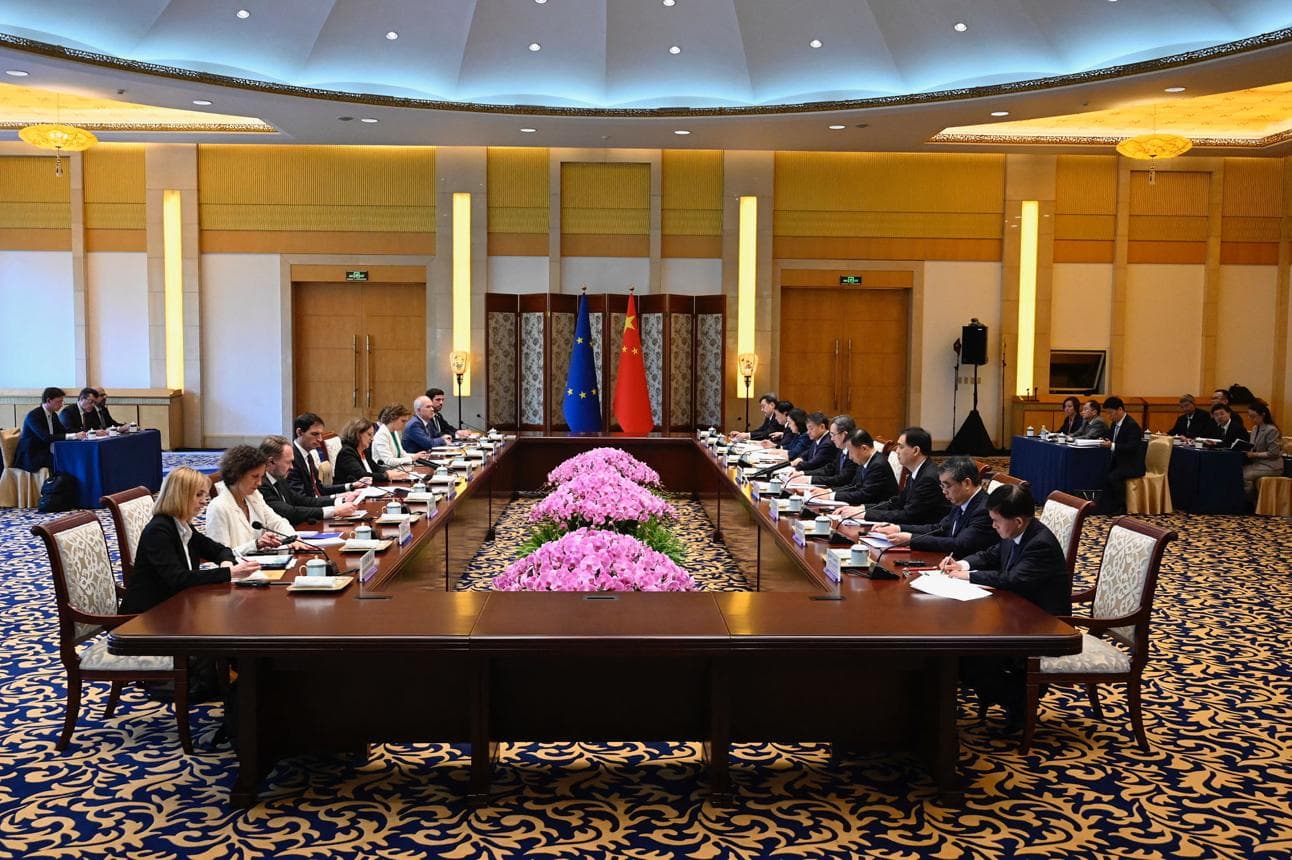
On 29 June, Chinese Commerce Minister Wang Wentao travelled to Brussels to meet Maros Sefcovic, the Commissioner for Trade and Economic Security. The two sides issued their first joint statement since 2019 and launched a standing body, the EU-China Trade and Investment Consultations, to work through their frictions across four areas: rebalancing trade and investment, export controls, intellectual property, and reform of the World Trade Organization.
The most concrete outcome was a joint monitoring mechanism. If imbalances cross agreed thresholds, either side can trigger political consultations. Sefcovic framed the exercise around results rather than escalation, and set himself a deadline: tangible progress by October, when he travels to Beijing.
The gap he wants to shrink is stark. The EU ran a goods deficit with China of 359.8 billion euros in 2025. European exports to China fell 6.5 percent that year while Chinese exports to Europe rose 6.4 percent. No monitoring mechanism reverses figures of that size on its own.
Analysts have begun calling this the do-no-harm phase. Brussels no longer expects a grand bargain. It wants to keep channels open, contain individual disputes, and avoid the kind of open rupture that Washington’s tariff wars have modelled next door. Beijing, for its part, prefers stability to confrontation while it manages a slowing economy at home.
Yet stability is not the same as movement. China has shown little flexibility on the two questions that matter most to European capitals: rebalancing the relationship and winding back its material support for Russia’s war in Ukraine. Every technical channel Brussels opens runs into those two walls.
The Commission has kept its harder tools within reach. Alongside the tyre duties, it has pursued anti-subsidy cases, tightened public procurement, and floated using WTO rules to rebalance the relationship. The message to Beijing is deliberately mixed: talk where talking helps, act where it does not.
Whether the October trip produces anything durable will test that approach. Sefcovic has staked his credibility on showing results, and European industry, from tyre plants in France to carmakers in Germany, is watching to see whether the dialogue delivers more than another handshake.