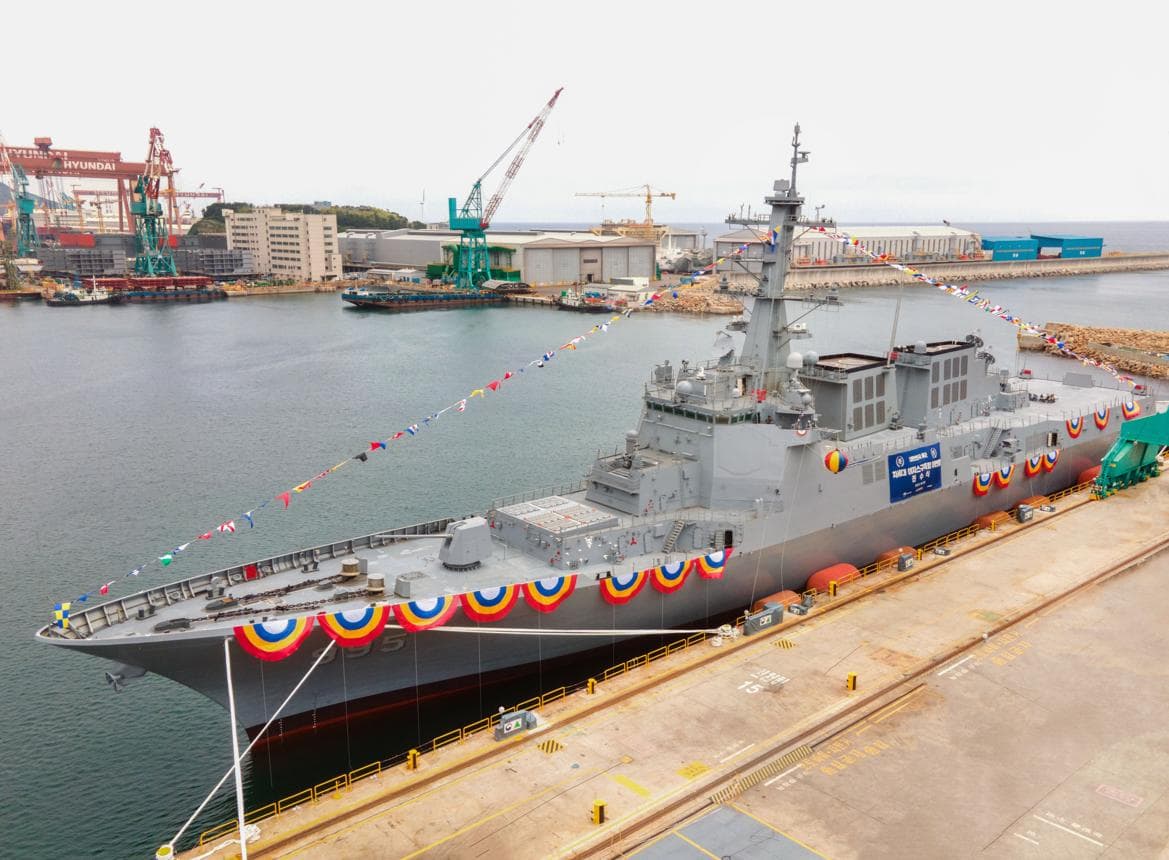
Warsaw: Poland has become the clearest example of how Europe now rearms, and much of the hardware carries Korean nameplates. Hanwha Aerospace has already delivered more than 200 K9 self-propelled howitzers to the Polish army, and in 2026 the company added a 5.6-trillion-won contract, worth about 4 billion dollars, to supply Chunmoo guided-missile launchers that Poland will help build at home from 2030.
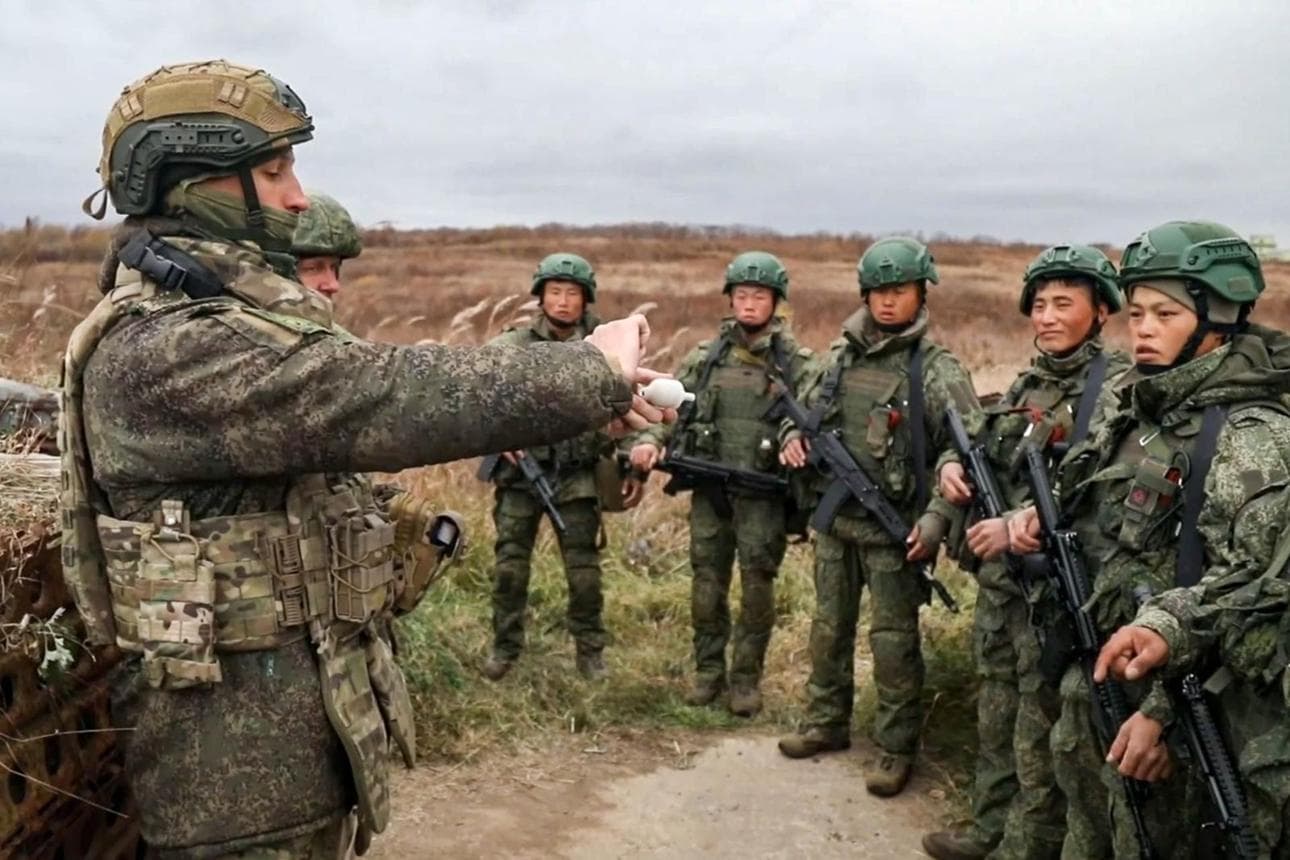
What began as an emergency shopping list after Russia’s invasion of Ukraine has hardened into an industrial relationship. South Korean arms sales to Europe swung from 2.62 billion dollars in 2024 to 11.03 billion dollars in 2025, and Poland alone signed roughly 40 defence contracts worth more than 33 billion dollars.
Two forces are pulling Korean firms deeper into the continent. The first is speed. Seoul’s manufacturers deliver tanks, artillery, and rockets on timelines European producers, still scaling up, cannot yet match. The second is money, and here the European Union has changed the game.
In 2025 the Council adopted Security Action for Europe, or SAFE, a 150-billion-euro instrument that lends member states cheap, long-maturity money for defence procurement. On 11 February 2026 defence ministers cleared the first batch of national plans, releasing 38 billion euros in EU loans to eight countries. Poland became the first member state to tap the facility.
SAFE was written to favour European production, but it leaves room for trusted partners. South Korea, which signed a Security and Defence Partnership with the EU, can join common procurement projects, even though only member states draw the loans themselves. Hanwha’s answer has been to move onshore.
The company’s strategy runs in three layers: rapid supply from Korea for urgent needs, local production hubs in countries such as Poland and Romania, and a wider Korea-NATO framework that it promoted at this year’s defence-industry forum in Ankara. Building inside Europe lets Korean firms count as local content and keeps jobs on the continent that is paying the bills.
Not everyone in Brussels welcomes the trend. French and German manufacturers argue that European money should rebuild European factories first, and that leaning on Seoul entrenches the dependence SAFE was meant to end. Central and eastern member states counter that they cannot wait years for western production lines to mature while Russia rebuilds its own.
That tension sits at the heart of Europe’s rearmament. The continent wants strategic autonomy, yet it buys much of its new firepower from a partner 8,000 kilometres away. For now, Warsaw’s calculation is winning: better a Korean howitzer today than a European one that arrives after the threat has passed.