Brussels: After more than a year of technical haggling that began with a Commission proposal in March 2025, the European Union’s Critical Medicines Act has cleared its most consequential hurdle. On 12 May 2026, negotiators for the Council and the European Parliament reached a provisional agreement on a regulation designed to address one of the bloc’s quieter but most persistent vulnerabilities: its dependence on a handful of suppliers, many outside Europe, for the antibiotics, insulin, anaesthetics and cancer therapies that hospitals cannot do without.
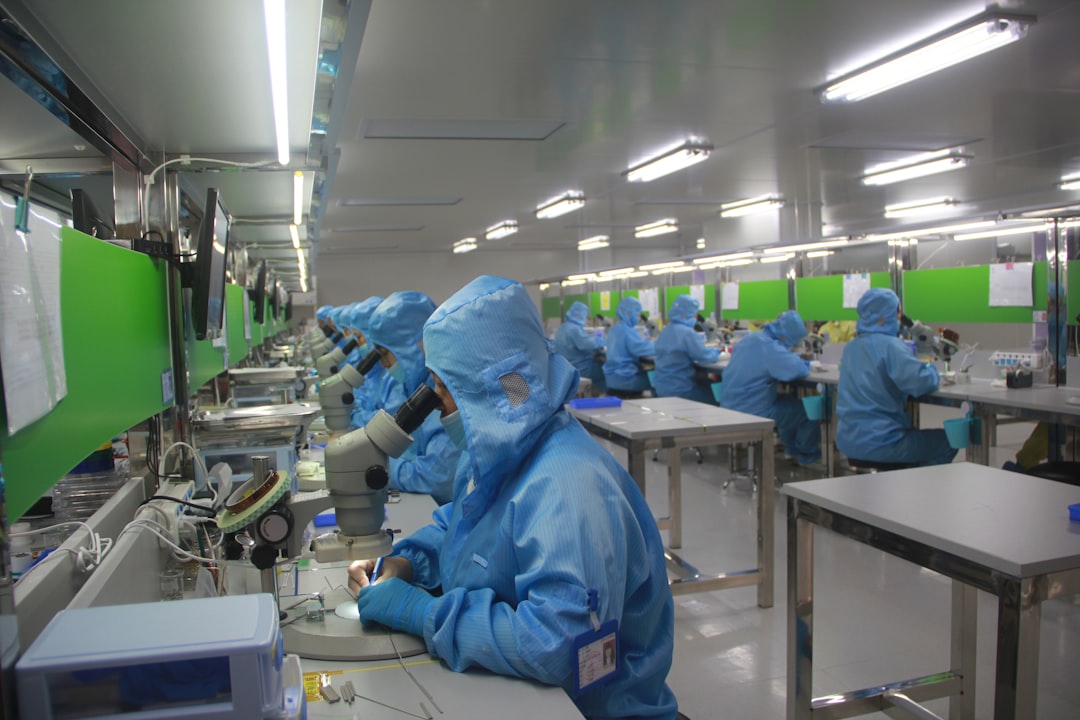
The numbers behind that vulnerability are stark. A large share of the active pharmaceutical ingredients used in generic medicines sold across the EU originate from a small number of manufacturing sites in Asia. When any one of those sites halts production, whether for a regulatory inspection, a contamination finding or simply a commercial decision to deprioritise a low-margin drug, the ripple effect can leave pharmacists in a dozen member states substituting, rationing or simply running out. The European Medicines Agency’s shortages monitoring has tracked a steady rise in such notifications over the past five years, with antibiotics and oncology drugs featuring disproportionately.
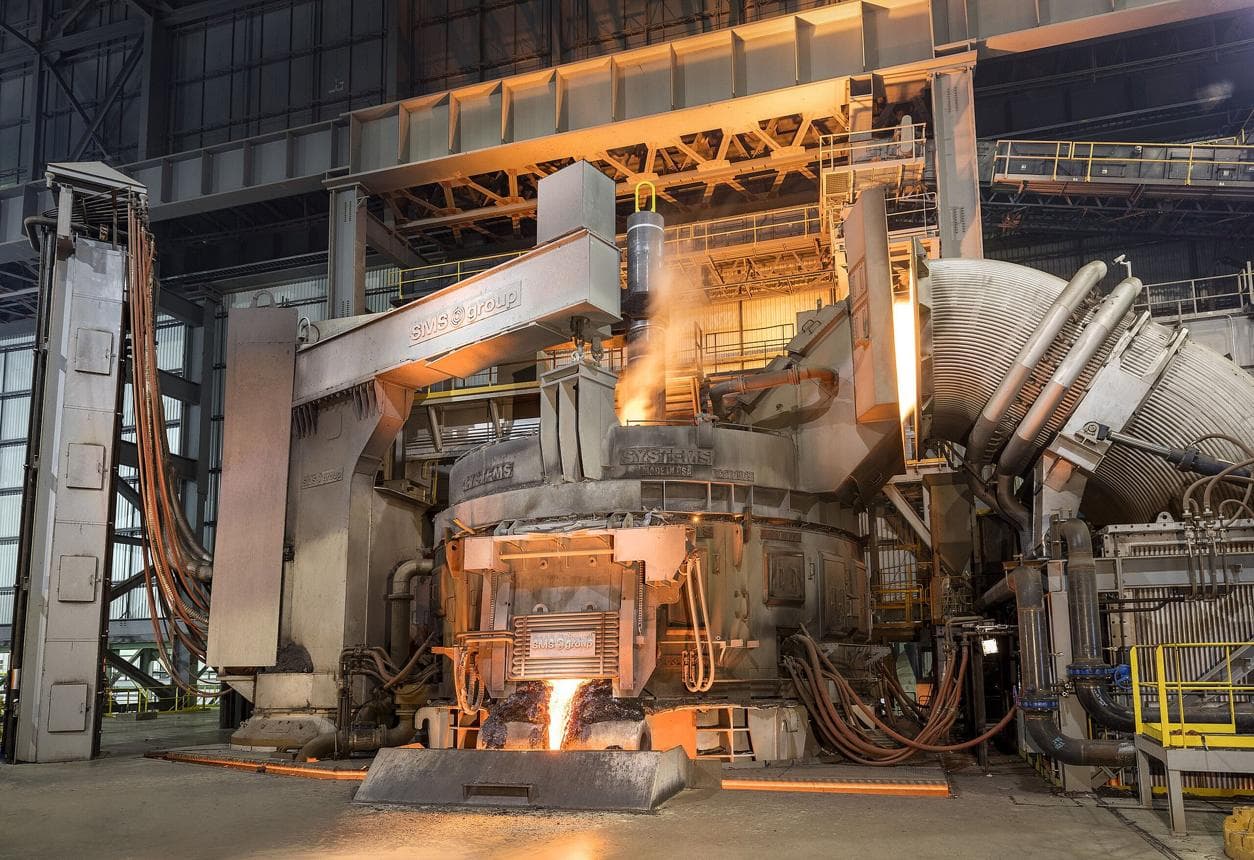
What the new regulation tries to do is reshape the economics that produced this fragility, rather than simply stockpile against it. Three mechanisms sit at its core. The first is a formal list of “critical medicines” and “medicines of common interest”, to be maintained jointly by the Commission and member states, which will trigger coordinated monitoring of supply chains and early-warning obligations on manufacturers. The second is a framework for joint procurement, allowing groups of member states to pool purchasing power when negotiating with suppliers, an approach that proved its worth during the pandemic-era vaccine purchases but has rarely been used since for ordinary medicines. The third, and politically the most delicate, is a set of incentives, including preferential treatment in public tenders, intended to draw active-ingredient manufacturing back onto European soil.
That third element is where the agreement’s real test will come. Manufacturing capacity does not relocate because a regulation says it should; it relocates when the cost calculus changes. Generic medicines operate on margins thin enough that a shift of even a few percentage points in production cost can determine whether a plant stays open in Lombardy or moves to Gujarat. The Critical Medicines Act gives public buyers a lever, since EU governments collectively account for the overwhelming majority of medicine purchases through national health systems, but using that lever without driving up the price of medicines for already-strained health budgets will require procurement officials to make trade-offs that the regulation describes only in broad terms.
There is also a sequencing problem. The provisional agreement must still be formally endorsed by the Council and Parliament, then pass through legal-linguistic revision before publication in the Official Journal, a process the negotiators themselves expect to run toward the end of 2026. Implementing measures, including the critical medicines list and the procurement framework’s operating rules, will follow afterwards, likely stretching adoption of the regulation’s practical effects into 2027 and beyond. For a policy framed around resilience against sudden shocks, that is a slow runway, and it leaves open the question of what happens if a major shortage event occurs in the interim.
Even so, the political signal is significant. The Critical Medicines Act represents one of the clearer examples of the EU translating the lessons of the pandemic, and more recently of supply-chain disruptions linked to geopolitical tension, into binding law rather than non-binding strategy documents. The European Medicines Agency has welcomed the agreement as a structural step rather than a one-off response. Whether it produces a measurable reduction in shortage notifications will depend less on the text agreed in May than on how generously, and how quickly, member states are willing to fund the joint procurement and incentive schemes the regulation makes possible but does not itself pay for. That funding question, more than the legislative text, is likely to define the debate as the file moves toward formal adoption.