August 9, 2026
LATEST
New EU Gas Market Rules Take Effect With Consumer SafeguardsDeforestation Regulation Holds Its December Deadline Despite CutsDigital Omnibus Delays Europe’s High-Risk AI Deadline to 2027Europe’s Schools Confront a Widening Basic Skills GapRule of Law Report Finds Progress but Trust Still LagsIRIS2 Gains 66 Satellites as Brussels Signs the Rollout DealNature Restoration Plans Come Due as Member States Race a DeadlineECB Rates Hold at 2.25 Percent as Frankfurt Waits on the DataEU Budget Talks Turn to Cohesion as Ireland Takes OverWildfire Response Stretches Europe’s Emergency Fleet ThinCan Europe’s Quantum Plan Match Its Big Ambitions?Armenia Edges West as Moscow’s Grip Slips AwayEurope Inherits the World’s Aid Bill It Cannot Fully PayAir Passenger Rights Get Their First Overhaul in Two DecadesErasmus Opens a 5 Billion Euro Round for Skills and MobilityCeuta Crisis Pushes the EU Toward Faster Migrant ReturnsBulky Parcels Face a Packaging Crackdown From August 12Can Europe Build Its Drone Wall Before 2030 Arrives?Indonesia’s Trade Deal With Europe Nears Its Final SignatureEurope Leans on Beijing to Keep Climate Talks Alive Before AntalyaNew EU Gas Market Rules Take Effect With Consumer SafeguardsDeforestation Regulation Holds Its December Deadline Despite CutsDigital Omnibus Delays Europe’s High-Risk AI Deadline to 2027Europe’s Schools Confront a Widening Basic Skills GapRule of Law Report Finds Progress but Trust Still LagsIRIS2 Gains 66 Satellites as Brussels Signs the Rollout DealNature Restoration Plans Come Due as Member States Race a DeadlineECB Rates Hold at 2.25 Percent as Frankfurt Waits on the DataEU Budget Talks Turn to Cohesion as Ireland Takes OverWildfire Response Stretches Europe’s Emergency Fleet ThinCan Europe’s Quantum Plan Match Its Big Ambitions?Armenia Edges West as Moscow’s Grip Slips AwayEurope Inherits the World’s Aid Bill It Cannot Fully PayAir Passenger Rights Get Their First Overhaul in Two DecadesErasmus Opens a 5 Billion Euro Round for Skills and MobilityCeuta Crisis Pushes the EU Toward Faster Migrant ReturnsBulky Parcels Face a Packaging Crackdown From August 12Can Europe Build Its Drone Wall Before 2030 Arrives?Indonesia’s Trade Deal With Europe Nears Its Final SignatureEurope Leans on Beijing to Keep Climate Talks Alive Before Antalya
August 9, 2026
LATEST
New EU Gas Market Rules Take Effect With Consumer SafeguardsDeforestation Regulation Holds Its December Deadline Despite CutsDigital Omnibus Delays Europe’s High-Risk AI Deadline to 2027Europe’s Schools Confront a Widening Basic Skills GapRule of Law Report Finds Progress but Trust Still LagsIRIS2 Gains 66 Satellites as Brussels Signs the Rollout DealNature Restoration Plans Come Due as Member States Race a DeadlineECB Rates Hold at 2.25 Percent as Frankfurt Waits on the DataEU Budget Talks Turn to Cohesion as Ireland Takes OverWildfire Response Stretches Europe’s Emergency Fleet ThinCan Europe’s Quantum Plan Match Its Big Ambitions?Armenia Edges West as Moscow’s Grip Slips AwayEurope Inherits the World’s Aid Bill It Cannot Fully PayAir Passenger Rights Get Their First Overhaul in Two DecadesErasmus Opens a 5 Billion Euro Round for Skills and MobilityCeuta Crisis Pushes the EU Toward Faster Migrant ReturnsBulky Parcels Face a Packaging Crackdown From August 12Can Europe Build Its Drone Wall Before 2030 Arrives?Indonesia’s Trade Deal With Europe Nears Its Final SignatureEurope Leans on Beijing to Keep Climate Talks Alive Before AntalyaNew EU Gas Market Rules Take Effect With Consumer SafeguardsDeforestation Regulation Holds Its December Deadline Despite CutsDigital Omnibus Delays Europe’s High-Risk AI Deadline to 2027Europe’s Schools Confront a Widening Basic Skills GapRule of Law Report Finds Progress but Trust Still LagsIRIS2 Gains 66 Satellites as Brussels Signs the Rollout DealNature Restoration Plans Come Due as Member States Race a DeadlineECB Rates Hold at 2.25 Percent as Frankfurt Waits on the DataEU Budget Talks Turn to Cohesion as Ireland Takes OverWildfire Response Stretches Europe’s Emergency Fleet ThinCan Europe’s Quantum Plan Match Its Big Ambitions?Armenia Edges West as Moscow’s Grip Slips AwayEurope Inherits the World’s Aid Bill It Cannot Fully PayAir Passenger Rights Get Their First Overhaul in Two DecadesErasmus Opens a 5 Billion Euro Round for Skills and MobilityCeuta Crisis Pushes the EU Toward Faster Migrant ReturnsBulky Parcels Face a Packaging Crackdown From August 12Can Europe Build Its Drone Wall Before 2030 Arrives?Indonesia’s Trade Deal With Europe Nears Its Final SignatureEurope Leans on Beijing to Keep Climate Talks Alive Before Antalya

Palm Oil And Nickel Decide The Fate Of Europe’s Jakarta Deal

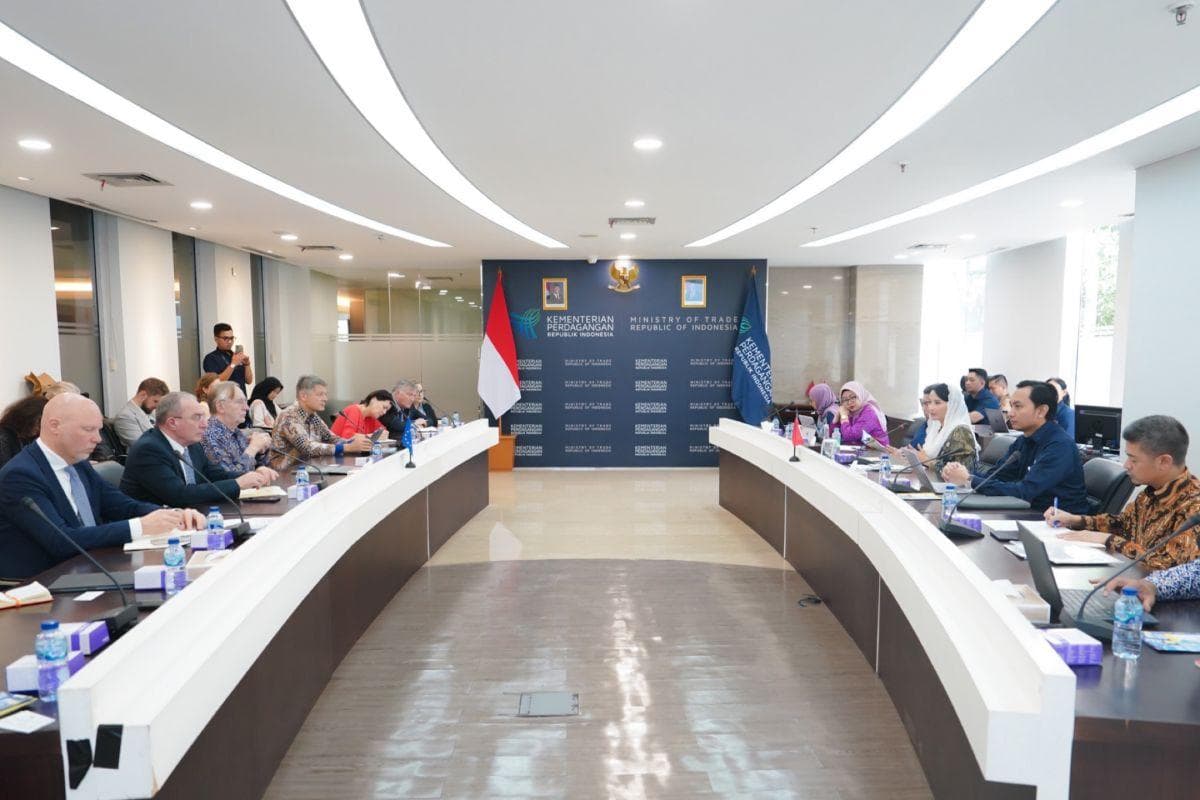
Jakarta: The hardest part of a trade agreement is rarely the signature. Indonesia and the European Union learned that lesson the slow way, taking nine years to reach the political agreement on their Comprehensive Economic Partnership Agreement and then signing it in September 2025. Now comes the part that will decide whether the deal means anything: ratification by the European Parliament, the Council and Indonesia’s legislature, with both sides targeting entry into force on 1 January 2027. None of that is guaranteed, and the obstacles are the same ones that delayed the agreement for the better part of a decade.

On paper the prize is substantial. The Union would make more than ninety-eight percent of Indonesian tariff lines duty-free on entry into force, while Jakarta would lift duties on roughly eighty percent of European lines and phase out the rest. For a relationship that has been defined more by friction than by commerce, the agreement promises real savings on palm oil, agri-food, automobiles and pharmaceuticals. It would also become only the third deal Brussels has concluded with a Southeast Asian economy, after Singapore and Vietnam, giving the Union a firmer commercial foothold in a region it has too often approached with lectures rather than offers.

The friction, though, has not disappeared simply because the text is agreed. Palm oil remains the rawest nerve. Indonesia is the world’s largest producer, and Europe’s deforestation regulation threatens to shut out commodities grown on land cleared after December 2020. Jakarta has long read that rule as protectionism dressed up as environmentalism, and the European decision to propose a further delay to the regulation’s start date has done little to settle the argument. A trade deal that lowers tariffs while a separate green law restricts market access is a contradiction Indonesian exporters notice immediately.

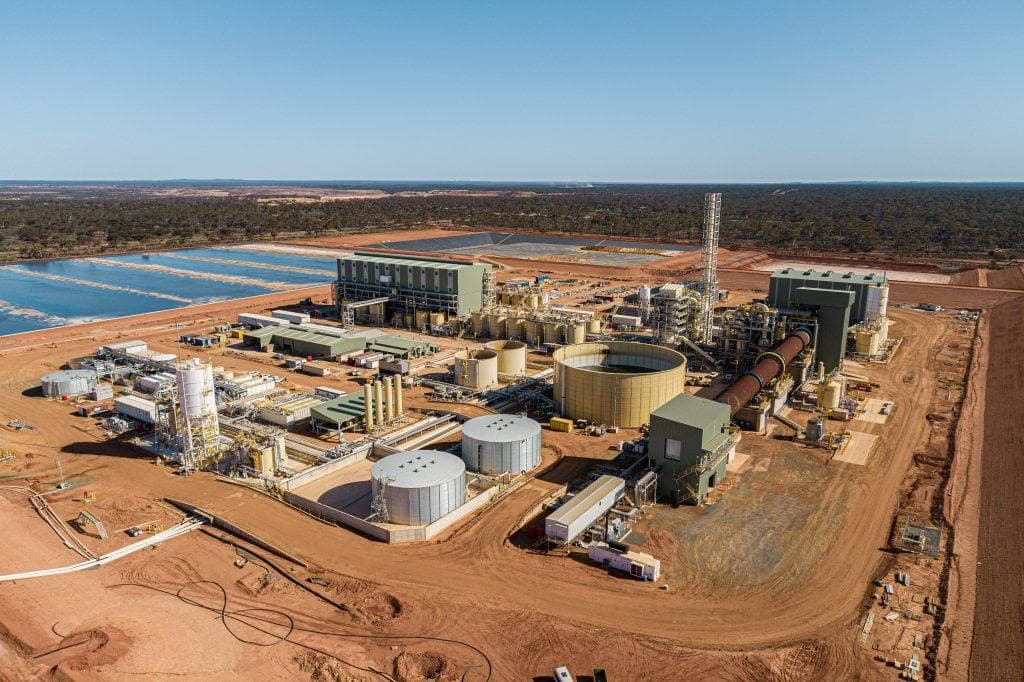
Nickel adds a second fault line. Indonesia sits on the mineral resources Europe needs for batteries and has used export restrictions to force processing onshore, a strategy Brussels has challenged at the World Trade Organization. The CEPA does not resolve that dispute so much as create a forum in which it can be managed. Whether European carmakers gain reliable access to Indonesian nickel, and on what environmental terms, will be negotiated in the years after ratification rather than settled by it.

This is where the European Parliament becomes the decisive actor. Members who campaigned on deforestation and labour standards will scrutinise a deal with a country whose forests and palm sector remain politically charged. The agreement could pass comfortably, but it could also be slowed by amendments, declarations and demands for enforcement guarantees, exactly the dynamic that has complicated other recent trade files. Indonesia’s own ratification is expected to proceed more smoothly, which means the bottleneck, as so often, sits in Brussels and Strasbourg rather than in the partner capital.

The broader significance is strategic as much as commercial. Europe has spent the past few years talking about reducing its dependence on China and diversifying towards reliable partners in Asia. Indonesia, the largest economy in Southeast Asia and a heavyweight in the developing world, is precisely the kind of partner that ambition requires. Letting the CEPA stall over palm oil and nickel would send an awkward signal about whether European openness survives contact with domestic politics. The deal is signed, but it is not yet sealed, and the next eighteen months will reveal whether Brussels can convert its rhetoric about partnership into a ratified agreement that Jakarta can actually use.