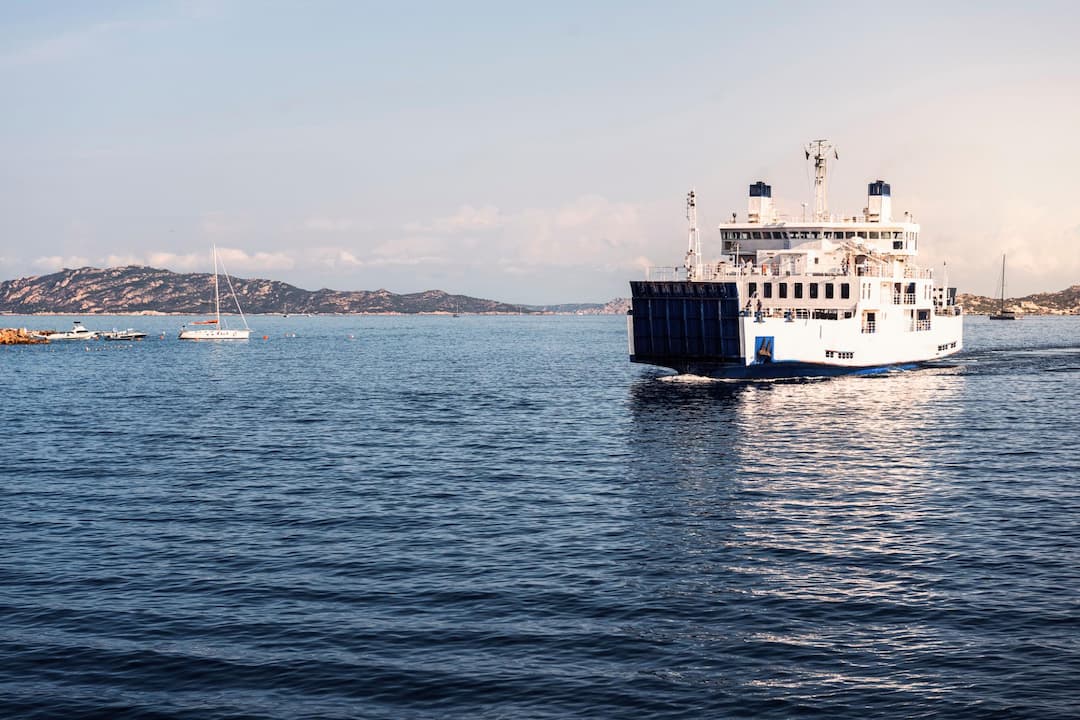
Brussels: For territories long treated as scenery rather than constituencies, the European Commission’s announcement on 10 June marks a notable change of register. Brussels adopted its first-ever dedicated strategies for the bloc’s islands and coastal communities, two documents that finally give a coherent European frame to places that have spent decades being governed through general regional programmes designed mainly for the mainland.
The scale involved explains why the gap mattered. The strategies cover roughly 17 million people living on more than 4,000 islands across 16 member states, alongside some 95 million who live along the EU’s 70,000 kilometres of coastline in 22 countries. These are not marginal numbers. Yet island and coastal economies share structural handicaps, thin transport links, higher energy costs, seasonal tourism dependence and exposure to rising seas, that rarely fit neatly into policies written with continental regions in mind.
The Commission’s pitch is integration. Rather than a single subsidy line, it proposes a holistic approach that treats economy, connectivity, energy, environment, demography and security as one interlocking problem. The coastal strategy is organised around three goals: prosperity through a more diversified blue economy, resilience to climate and security shocks, and liveability, the softer but crucial aim of keeping younger residents from leaving places where housing, jobs and services are thinning out. For communities watching their schools close and ferries shrink, that demographic framing may be the most consequential part.
The conspicuous weakness is money, or rather the absence of new money. The Commission has been explicit that no fresh funding mechanism accompanies the strategies; delivery is meant to flow through existing cohesion resources, national and regional programmes, and the financing instruments already tied to the green and digital transitions. That is a defensible choice at a moment when the next long-term budget is being fought over line by line, but it leaves the initiatives leaning on funds that islands and coastal regions already compete for, often unsuccessfully against larger, better-resourced applicants.
Supporters will argue that mainstreaming is smarter than building another silo. A strategy that forces every relevant EU programme to account for island and coastal realities could, in principle, reshape far more spending than a modest ring-fenced pot ever would. The history of EU territorial policy offers some encouragement: the outermost-regions framework and macro-regional strategies have shifted behaviour without commanding large budgets of their own, mainly by changing how money already in the system is allocated.
The risk is the opposite outcome, a handsomely worded document that local authorities cite in grant applications while the underlying constraints, depopulation, climate exposure and patchy connectivity, grind on. The test will be procedural and unglamorous: whether managing authorities actually rewrite programme criteria, whether islands gain real weight in how cohesion envelopes are split, and whether the promised coordination across the economy, energy and security survives contact with national bureaucracies. Brussels has at last named the problem and committed to a method. Whether that translates into ferries that run, grids that hold and young people who stay will be settled not in this strategy, but in the budget battles to come.