
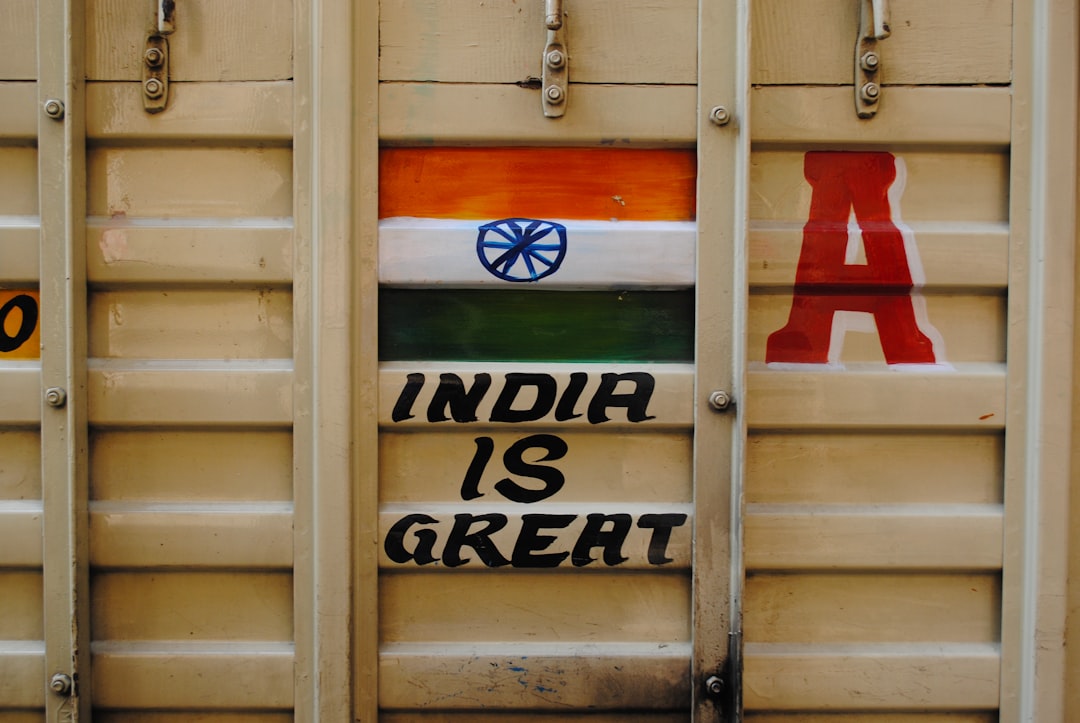
Brussels: European Commission President Ursula von der Leyen announced on 17 June 2026 that the European Union and India will formally sign their landmark EU-India trade agreement by the end of this year, confirming the timeline after she met Indian Prime Minister Narendra Modi on the margins of the G7 summit in France. The pledge sets a firm deadline for the largest free trade deal either side has ever concluded.
The commitment follows the conclusion of negotiations in January 2026 on a pact von der Leyen has called “the mother of all trade deals”. Signing before year-end would clear the way for the agreement to enter into force in 2027, once legal vetting and ratification are complete.
What von der Leyen announced
Writing after her meeting with Modi, the Commission President said Brussels and New Delhi were “moving fast” to deliver on the commitments made when the EU-India trade agreement was finalised. She linked the deal to wider cooperation on investment, security and connectivity.
“Since we have concluded the mother of all trade deals, we have been moving fast to deliver on our commitments. We will sign the Free Trade Agreement by the end of the year, and accelerate work on an investment agreement to step up security and defence cooperation,” von der Leyen said.
What the EU-India trade agreement contains
The agreement would eliminate or reduce tariffs on 96.6% of traded goods by value, saving European companies around €4 billion a year in duties, according to the European Commission. Brussels expects the pact to double EU exports to India by 2032.
- India will cut car tariffs from as much as 110% to 10% over five years, with quota-based access for 250,000 EU vehicles a year.
- The EU grants immediate zero-duty access for India’s labour-intensive exports, including textiles, footwear, leather and gems and jewellery.
- Together the two markets cover around two billion people and nearly a quarter of global GDP.
Reaction and next steps
Von der Leyen also tied the trade push to the India-Middle East-Europe Economic Corridor (IMEC), a planned rail and shipping route intended to deepen connectivity between the partners. Formal signature will follow legal vetting expected to last five to six months.
Because India has a relatively straightforward ratification process, officials expect the deal could take effect in early 2027, while the EU’s own ratification runs in parallel. Further detail is available in the Commission’s EU-India trade relationship overview.
Background
The EU and India first opened free trade talks in 2007. Negotiations were suspended in 2013 amid disagreements over tariffs and market access, and only relaunched in 2022 as both sides sought to diversify supply chains and reduce reliance on other major economies.
The January 2026 breakthrough capped that effort, with negotiators settling sensitive files on automobiles, agriculture and services. The resulting EU-India trade agreement is presented in Brussels as a strategic counterweight amid global trade tensions, binding two of the world’s largest economies into a single preferential market.
Signing by December would convert a political agreement into a binding treaty, leaving ratification as the final hurdle before tariffs begin to fall.


