The EU Arctic drilling ban will survive the Commission’s rewrite of its Arctic strategy, which is due on 20 October, despite a year of Norwegian pressure to have it removed. Officials indicated this week that the moratorium on new oil and gas development in Arctic waters stays the Union’s declared position. What is less often said is that the ban commits almost nobody to anything.
## What the EU Arctic drilling ban covers in practice
The commitment dates from the 2021 Arctic policy communication, in which the Commission said it would work towards leaving Arctic hydrocarbons in the ground. It is a statement of external policy, not a regulation. No licensing authority is bound by it and no operator can be sanctioned under it.
That matters because the Arctic states that hold the resources are not all EU members. Norway, whose continental shelf accounts for the bulk of European Arctic petroleum, sits outside the Union and outside its energy licensing law. Denmark, through Greenland, and Finland and Sweden as land Arctic states, occupy very different positions in the same policy sentence.
So the ban functions as a signal to investors, to the Arctic Council, and to the Union’s own climate credibility. Its force is reputational, and reputational force is precisely what Oslo has been trying to neutralise.
## Why Norway lobbied so hard against a non-binding line
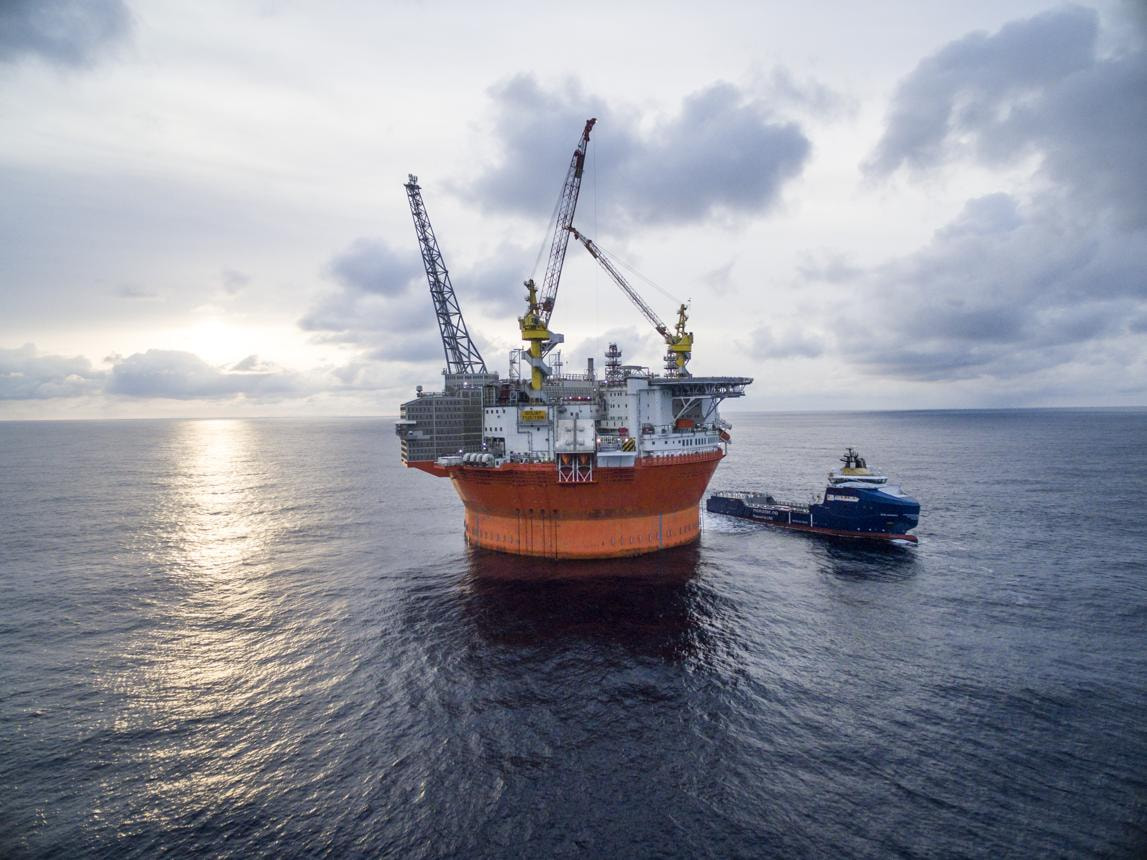
Close to two thirds of Norway’s remaining petroleum resources lie north of the Arctic Circle, most of them in the Barents Sea. Energy Minister Terje Aasland has argued that continued Barents activity serves European energy security as much as Norwegian revenue, and has made clear that Norwegian drilling continues whatever the EU strategy says.
The lobbying effort has been unusually visible for a non-member state. Norwegian ministers, officials, industry representatives and environmental groups have all worked Brussels over the past eighteen months, treating the strategy review as a live negotiation rather than a European internal document.
The calculation is straightforward. A declaratory EU ban raises the cost of capital for frontier Arctic projects, shapes how banks and insurers score them, and gives Norwegian domestic opponents a European argument to borrow.
## The energy security case the Commission had to answer
Norway became the Union’s largest supplier of pipeline gas once Russian volumes were cut, and that dependency is the strongest card Oslo holds. Any Commission text that appears to discourage Norwegian upstream investment invites the question of where replacement molecules come from after 2030.
The answer the strategy appears to give is that Arctic expansion and the Union’s 2040 climate trajectory cannot be reconciled, and that supply adequacy is a matter for contracts and infrastructure rather than for new frontier basins. Whether member states with exposed industrial bases accept that reasoning is a separate question.
Three elements will decide how the October text is read:
– whether the moratorium language is softened from a commitment to an aspiration
– whether the strategy names the Barents Sea or keeps to generic Arctic wording
– whether it links Arctic policy to security and Russian activity rather than to climate alone
## What happens next
The revised strategy is scheduled for 20 October. Council conclusions would normally follow, and that is where member states with Nordic interests can dilute the language without the Commission having to retreat in public.
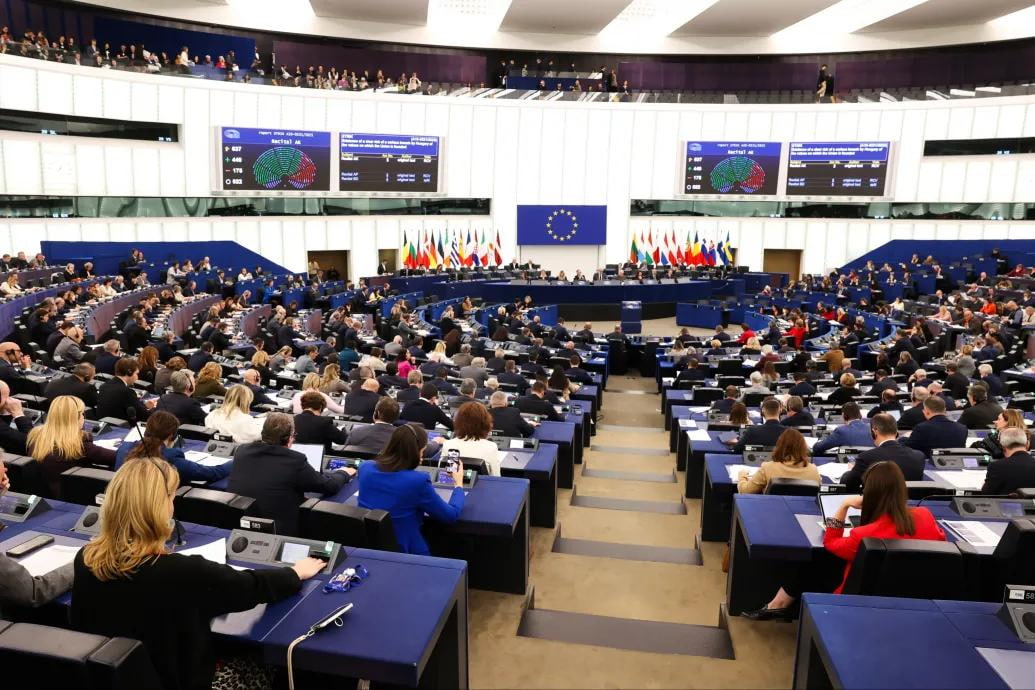
The Parliament has no veto over a communication, but its foreign affairs and industry committees will use the text as a hook for hearings on Arctic security, seabed mining and shipping routes. Expect the debate to migrate there.
The larger point is that the EU Arctic drilling ban has become a test of whether soft law retains any weight when the Union is simultaneously asking a supplier to keep the gas flowing. Holding the line costs Brussels little today. The bill, if there is one, arrives in the next supply crunch.