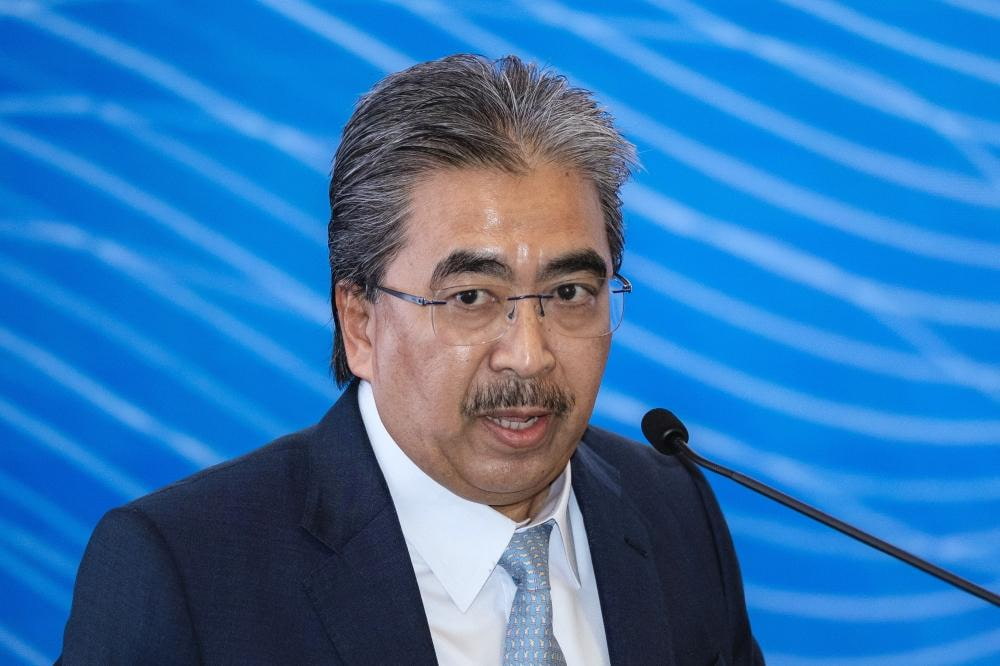
Kuala Lumpur: The Malaysia-EU trade deal now has a date that officials can plan around, even if it is later than many exporters hoped. Malaysian Minister of Investment, Trade and Industry Johari Abdul Ghani said on 13 October 2026 that negotiations will likely finish by June 2027. He spoke at a joint media conference during the third EU-Malaysia Business Day, held at the Kuala Lumpur Convention Centre.
The event drew about 700 participants, including more than sixteen ambassadors from EU member states. Johari said some issues remain open and talks continue, and he added that the positions of other countries in the negotiations must be taken into account. That remark suggests Kuala Lumpur is watching how Brussels settles terms with its other Southeast Asian partners before it fixes its own.
Commissioner for International Partnerships Jozef Síkela used the same event to stress shared values and sectoral opportunity. He noted that Malaysia accounts for about 13 percent of global semiconductor assembly, testing and packaging, and for over 7 percent of semiconductor trade. He also pointed to cooperation on green ports, cross-border electricity systems and digital technologies. These areas show why the Malaysia-EU trade deal matters to European supply chains as well as to tariff schedules.
The remaining hurdles in the Malaysia-EU trade deal are well known. Malaysian business press reports the negotiations as roughly 80 percent complete, with palm oil and automobiles as the hardest files. Palm oil touches the EU’s deforestation and sustainability rules, while cars involve tariffs and standards that protect established producers. Neither issue can be closed by technical work alone, because each carries domestic political weight in Kuala Lumpur and in several European capitals.
The June 2027 target also differs from earlier signals. An April report from the trade outlet Borderlex said both sides aimed to seal the deal by October 2027. Johari’s estimate for the Malaysia-EU trade deal is therefore a few months earlier, which may reflect momentum from other agreements. The Union has concluded a deal with Vietnam and Indonesia and reached an initial deal with the Philippines on 22 September, so negotiators now have templates to copy.
Those templates cut both ways for the Malaysia-EU trade deal. They give the Commission a standard approach on sustainability and dispute settlement, but they also make Malaysian negotiators wary of accepting less than the best terms granted to neighbours. If Indonesia secures favourable treatment for palm oil, Malaysia will expect at least the same. That dynamic explains why the minister spoke about other countries’ positions.
For firms, the practical advice is to treat June 2027 as a goal and not a guarantee. After negotiators finish, lawyers must scrub the text, the Council must approve it and Parliament must give consent. Three markers will show whether the Malaysia-EU trade deal stays on schedule: a negotiating round that settles palm oil language, a deal on automobile tariffs, and an announced date for the legal review. Without them, the June target will slip into the next year.