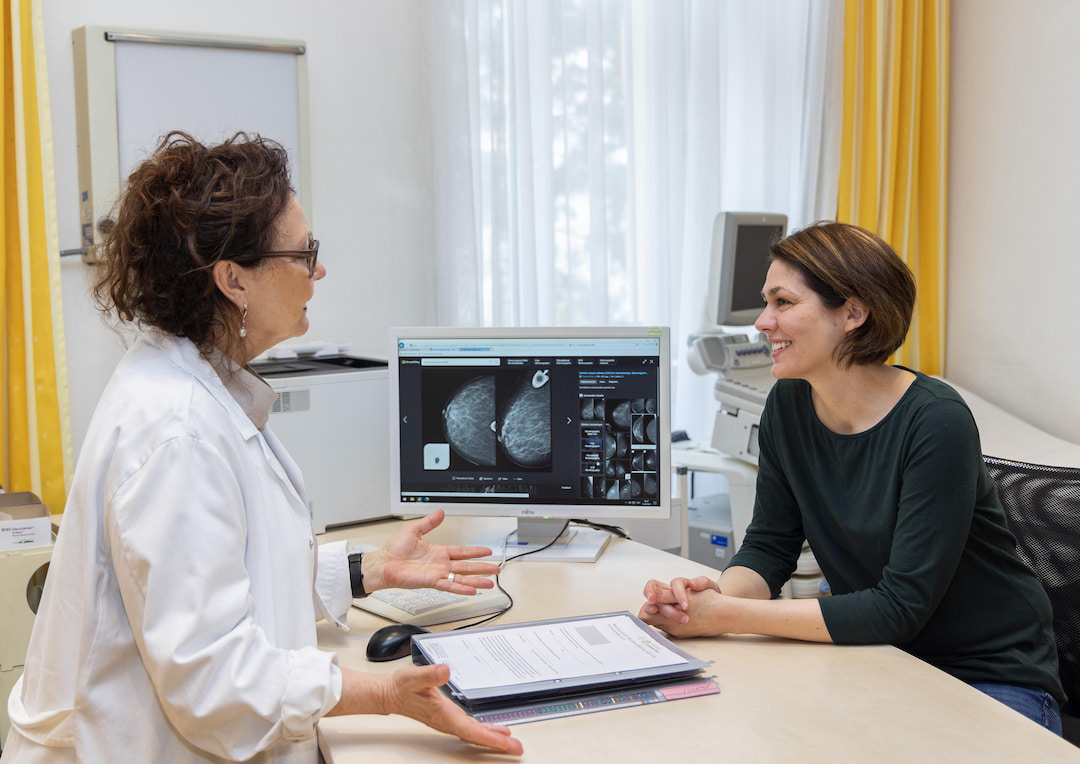
Surgeons performed 560,730 mastectomies in the EU in 2024, according to figures Eurostat released on 20 November 2026, a total that counts both full removals of the breast and partial excisions carried out mainly to prevent or treat breast cancer. The headline number is large, but the more revealing story sits in the gap between member states.
Of the total, 160,928 were full mastectomies, equal to 70.1 per 100,000 female inhabitants. The remaining 399,802 were partial procedures, often called breast-conserving surgery, at a rate of 174.0 per 100,000. In other words, more than seven in ten mastectomies in the EU now preserve part of the breast, a pattern that reflects how treatment has moved towards less invasive surgery wherever tumours are found early.
Belgium stands out on both measures of mastectomies in the EU. It recorded 138.7 full mastectomies per 100,000 women and 299.2 partial ones, the highest rates in the bloc. Greece followed on full removals at 123.6, ahead of Denmark at 90.5, Luxembourg at 87.4 and Croatia at 86.2. At the other end, Latvia reported only 35.8, with Malta at 43.8, Estonia at 43.9 and Czechia at 47.6.
The partial-surgery league table for mastectomies in the EU looks different. Luxembourg came second at 253.8 per 100,000, followed by Italy at 221.2, Spain at 220.7, France at 217.4 and Austria at 215.9. Poland reported just 26.5, Romania 54.6 and Greece 71.6, although Eurostat warns that Greek data cover public hospitals only and use a different definition of partial excision.
Those caveats matter when reading mastectomies in the EU as a proxy for cancer care. A high rate can signal strong detection and access to surgery, while a low one can point to late diagnosis, different coding or gaps in hospital reporting. Malta’s figures, for example, leave out one small private hospital, and Cyprus supplied estimates rather than full counts.
Screening data published by Eurostat on 2 October 2026 add useful context. In 2024, the share of women aged 50 to 69 who had a mammogram in the previous two years ranged from 82.1% in Denmark and 82.0% in Sweden to 27.2% in Hungary and 33.8% in Poland. Since 2019, screening rates fell in 11 member states, with Malta down 21.8 percentage points, while Slovakia gained 12.5 points.
The overlap with mastectomies in the EU is telling. Countries with weak screening coverage, such as Poland, also report very low rates of breast-conserving surgery, which is usually possible only when a tumour is caught early. Bulgaria and Romania have no national breast cancer screening programme at all, according to Eurostat, and Romania sits near the bottom on both surgical measures.
For the European Commission, the numbers are an awkward progress check on Europe’s Beating Cancer Plan. Equal access to early detection was one of the plan’s central promises, and the new surgical data suggest that work remains unfinished.
The 2024 figures on mastectomies in the EU therefore read less as a ranking than as a map of unequal care. Where screening reaches most women, surgeons more often save the breast. Where it does not, patients face larger operations, and closing that gap will depend on national programmes as much as on Brussels.