Tourism nights across the Union reached 1.321 billion in the first half of 2026, up 1.7 percent on the same period a year earlier, according to figures Eurostat published on 1 September. The headline looks calm. The composition underneath it does not, because foreign visitors did almost all the work while domestic travel barely moved.
Nights booked by non residents rose 2.5 percent, roughly three times the growth recorded for people holidaying inside their own country. Foreign visitors accounted for 48.9 percent of all overnight stays in the first six months, edging closer to the halfway mark. The pattern repeats a trend statisticians have tracked since 2024, and it carries a warning for any national tourism board that has built its recovery plan around domestic demand.
The country table shows how uneven the picture is. Ireland posted the sharpest rise at 14.6 percent, followed by Malta at 9.9 percent and Slovakia at 5.9 percent. Nine countries went backwards. Cyprus fell 7.7 percent and Romania 6.7 percent, declines large enough to offset several smaller gains elsewhere. A single Union wide average of 1.7 percent conceals a spread of more than twenty percentage points between the best and worst performers.
Those swings rarely reflect a collapse in demand for travel. They reflect airline capacity decisions, cruise itineraries, exchange rates against sterling and the dollar, and in the Cypriot case the continued shadow of regional instability on the eastern Mediterranean. Tourism nights are a lagging measure of choices airlines and tour operators made a year or more earlier, which is exactly why the data deserves more attention from transport and regional policy officials than it usually receives.
The dependence on foreign visitors also changes the policy conversation about housing and congestion. Cities that lean on non resident demand collect more revenue per night but lose more of it to international platforms and operators, and they absorb the pressure on short term rental stock that lawmakers spent the summer debating. A region whose growth comes from domestic weekend trips faces a very different problem from one filling hotels with long haul arrivals.
Analysts at the statistical office note that the first half figure covers the low season as well as the start of summer, so the full year number may diverge. The first quarter had already risen 3 percent, which means the second quarter slowed. That deceleration is the detail worth watching, because it suggests the post pandemic catch up in European travel has largely finished and growth now depends on genuine new demand.
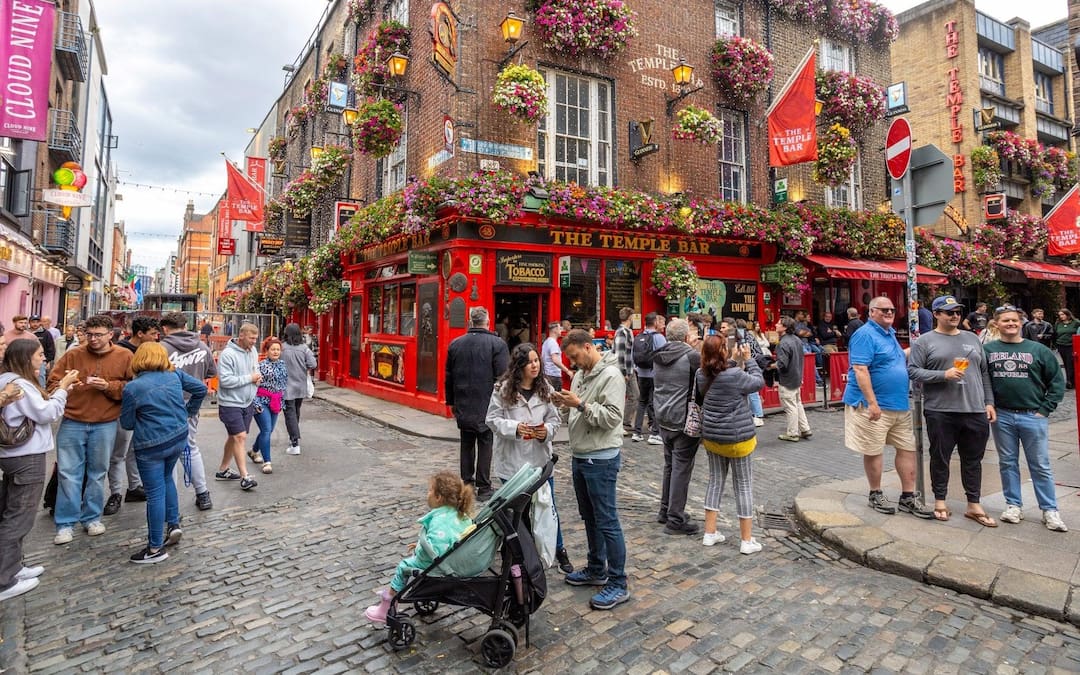
Ireland offers the clearest counterexample and the clearest question. A 14.6 percent jump in tourism nights points to added air capacity and a strong transatlantic season rather than any sudden change in Irish attractiveness. Whether Dublin can hold that level through a second year will say more about aviation economics than about marketing.
For the Commission, the numbers land while officials weigh how much to spend on tourism under the next budget and how far to push a common framework for short term rentals. Advocates of more funding will cite the record volume. Sceptics will cite the nine countries in decline and argue that money follows flight paths, not programmes. Both readings fit the same dataset, which is usually a sign that the debate is about values rather than evidence.
The honest conclusion is modest. European tourism grew, the growth came from abroad, and the benefits pooled in a handful of destinations. Anyone claiming a continent wide boom should look at the Cypriot column first.