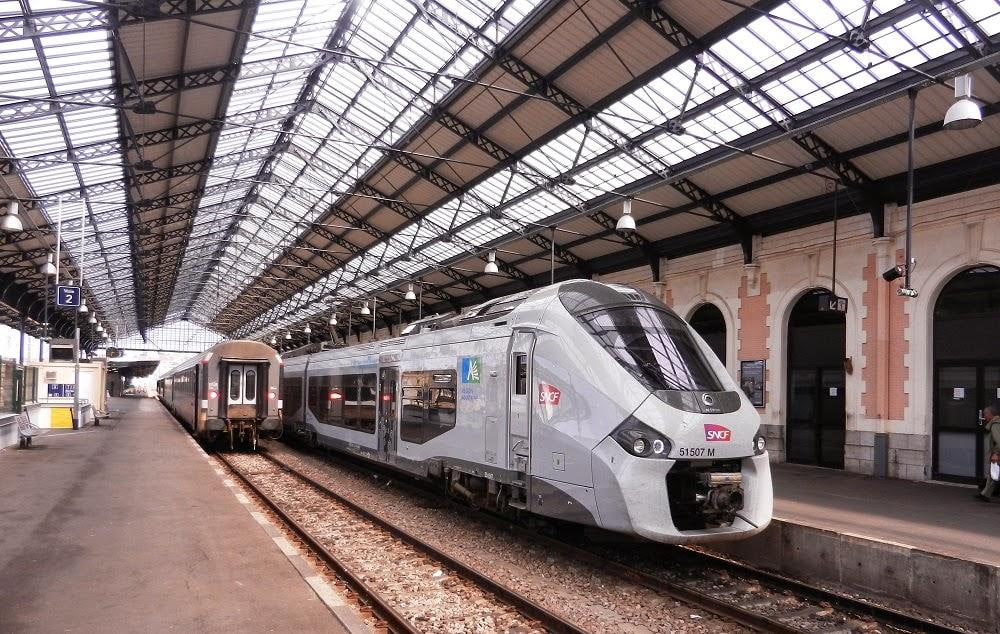
Klaipėda: Cargo leaving this Lithuanian port for the Polish border crosses one frontier and several legal systems, and the European Union’s military mobility regulation exists because a tank column making the same journey needs paperwork that can take months. Council and European Parliament negotiators resumed work on the file this month, and the ad hoc working party met on 4 September 2026 to review the first informal trilogue held on 16 July.
The Commission presented the package in November 2025. It proposes harmonised permission procedures, digitalised documentation, and a new emergency framework called the European Military Mobility Enhanced Response System, which unlocks temporary extraordinary measures to push troops and equipment across the continent when a crisis leaves no time for routine clearance. Under the proposal a member state would answer a transit request within three days, replacing national procedures that can each run to several weeks.
Apostolos Tzitzikostas, the transport commissioner, framed the problem in one line when he presented the text.
“We cannot defend our continent if we cannot move across it!”
He puts the current transit time from western to eastern Europe at months and the target at days. The gap is not mainly bureaucratic. Bridges rated for civilian lorries will not carry a main battle tank. Loading gauges change at the Polish-Lithuanian border. Tunnels built for passenger stock cannot take oversized military freight.
Member states agreed their negotiating mandate on 17 June 2026, and the presidency opened talks with Parliament once the chamber fixed its own position. Both institutions aim to close the file before the end of 2026, a fast timetable for a regulation that touches national defence prerogatives.
- Package presented: November 2025
- Council mandate agreed: 17 June 2026
- First informal trilogue: 16 July 2026
- Proposed transit permission window: 3 days
- Proposed 2028-2034 military mobility budget: 17.65 billion euros
Money follows separately and on a longer clock. The Commission wants the dedicated line inside the Connecting Europe Facility raised from 1.69 billion euros in the current budget to 17.65 billion for 2028 to 2034, a tenfold increase that depends on the next multiannual financial framework surviving twenty-seven national negotiations. Nothing in that figure reaches a bridge before 2028.
Sovereignty makes the negotiation hard. Governments guard the right to decide what crosses their territory, and several delegations pressed during the Council discussion for safeguards keeping the emergency system under national control rather than handing any Brussels body the power to order movements. The Council negotiating position reflects that caution. Parliament’s negotiators want faster and firmer obligations than capitals offered.
The rail sector welcomed the harmonisation, seeing a chance to fix problems it has flagged for two decades over diverging national rules on dangerous goods, train paths and gauge. Dual-use investment carries a commercial dividend that pure defence spending does not. A bridge strengthened for armour also carries heavier freight, and a digitalised permit system helps every operator crossing a border.
Faster troop movement has been a stated European goal since 2017, when the Union and NATO agreed to work on what officials call a military Schengen. The 2018 action plan produced studies. The 2022 update produced more. What changed is that eastern member states now treat the timeline as operational rather than aspirational, and the Commission’s own dedicated work programme has moved out of the transport file and into the defence readiness agenda.
Adoption by December would give the Union a legal framework roughly a decade after it named the problem. The infrastructure that framework governs will take longer, because concrete and rail move slower than regulation and the money arrives after 2028.