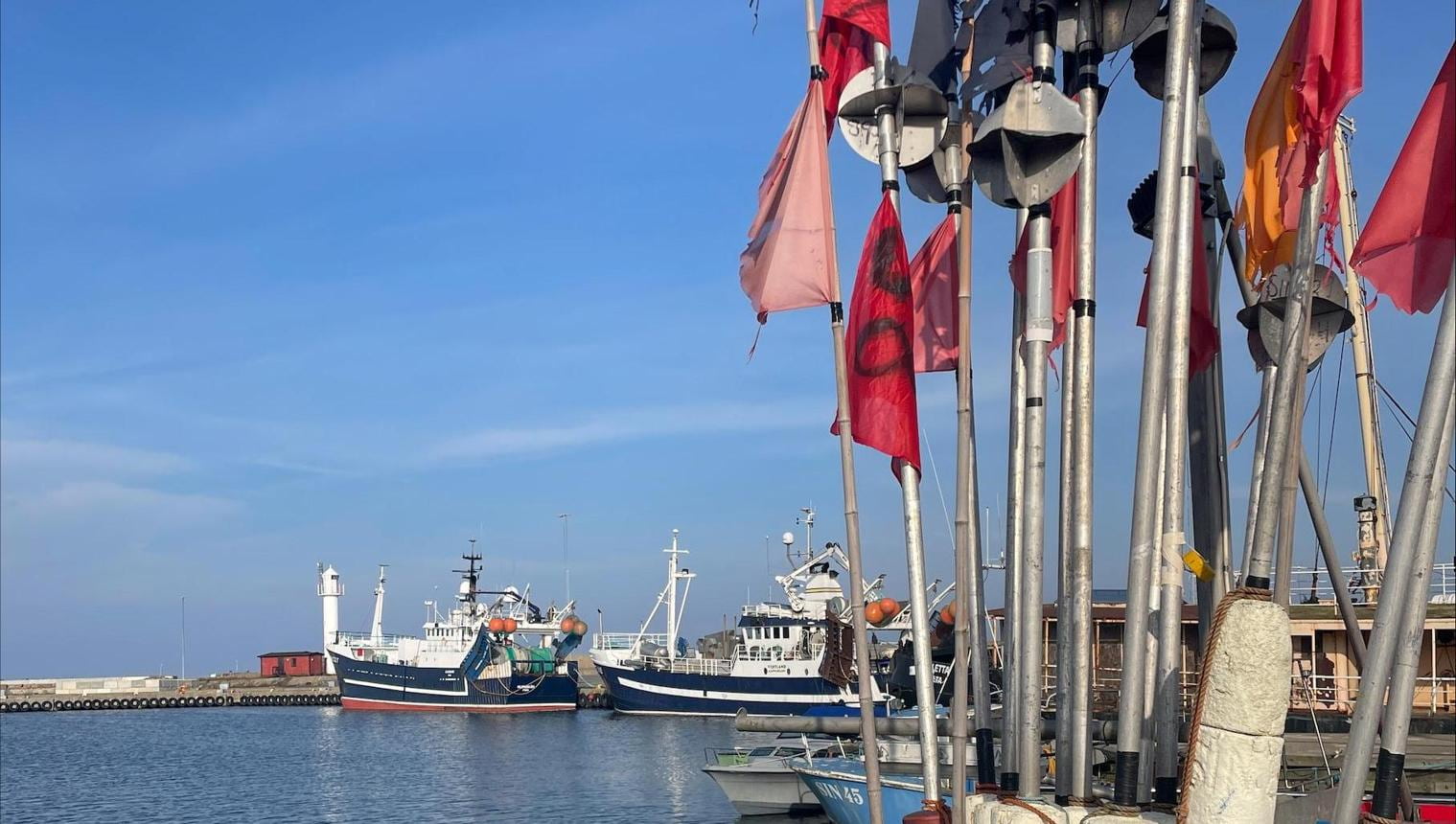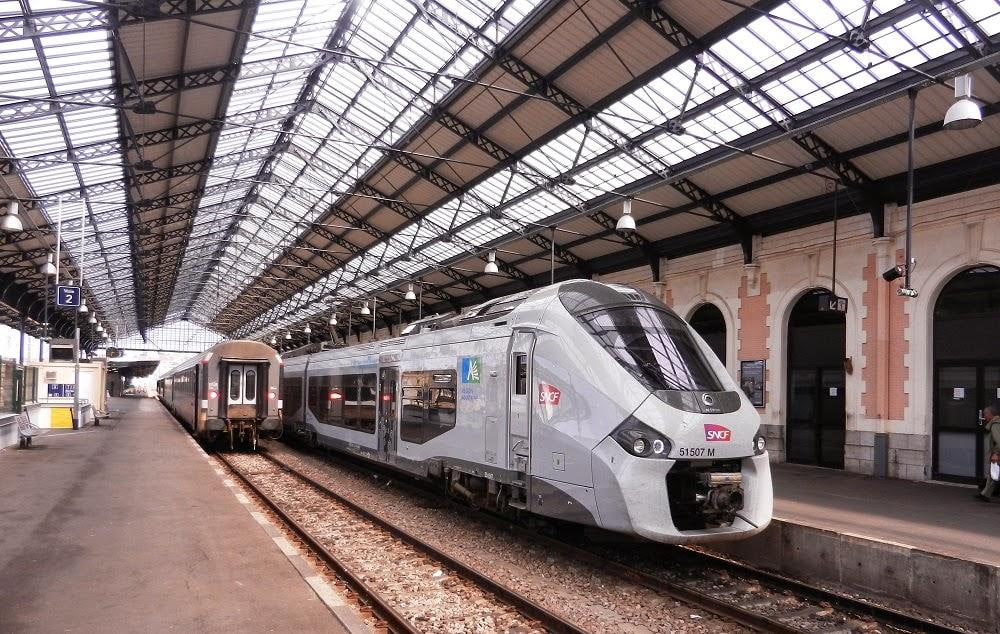
Hendaye: Transport ministers gather informally in Ireland on 20 and 21 September 2026 with the Commission’s single ticket package sitting untouched by either co-legislator, four months after Brussels tabled it. Passengers changing trains at this Basque border station still buy two tickets and carry two sets of rights.
The Commission adopted three linked proposals on 13 May 2026. One rewrites the rules on multimodal booking and repeals a regulation dating from 2009. A second governs rail ticketing. A third amends Regulation 2021/782 so that a passenger holding one ticket across several operators keeps full protection for the whole journey.
That third file matters most to travellers. Miss a connection today on a multi-operator trip and protection stops where the first operator’s contract stops. Under the proposal, the passenger gets assistance, rerouting, reimbursement and compensation regardless of which company caused the delay.
The booking rules aim at a different problem. The Commission wants platforms to display offers neutrally, including sorting by greenhouse gas emissions where that is feasible, and it wants operators and ticketing platforms to strike fair, reasonable and non-discriminatory agreements in both directions. Incumbent railways guard their inventory carefully, and independent sellers have complained for years about the terms on offer.
Brussels has evidence on its side. The Commission’s own implementation report on rail passenger rights, published alongside the passenger package in May, records real progress on bicycle carriage and passenger information while flagging the stubborn scarcity of through-tickets on cross-border journeys involving more than one operator.
Progress since May has been thin. The Council’s forward look for 7 to 20 September lists no formal Council meeting at all in the fortnight, which leaves the Irish presidency’s informal gathering as the only ministerial venue where the file gets an airing before October.
Operators will push back on liability. Pricing the risk of a missed connection across companies that do not share punctuality data is genuinely hard, and railways argue the cost lands on ticket prices. Consumer organisations reply that aviation solved the equivalent problem decades ago through interlining, and that cross-border rail keeps losing passengers to short-haul flights precisely because booking a train across two borders remains an act of faith.
There is a quieter dependency too. Seamless booking needs data, and member states owe that data through the national access points created by the Intelligent Transport Systems Directive. Several capitals are behind. A single ticket regulation adopted in 2028 will deliver nothing if the underlying timetables and fares are still missing from the systems meant to publish them.