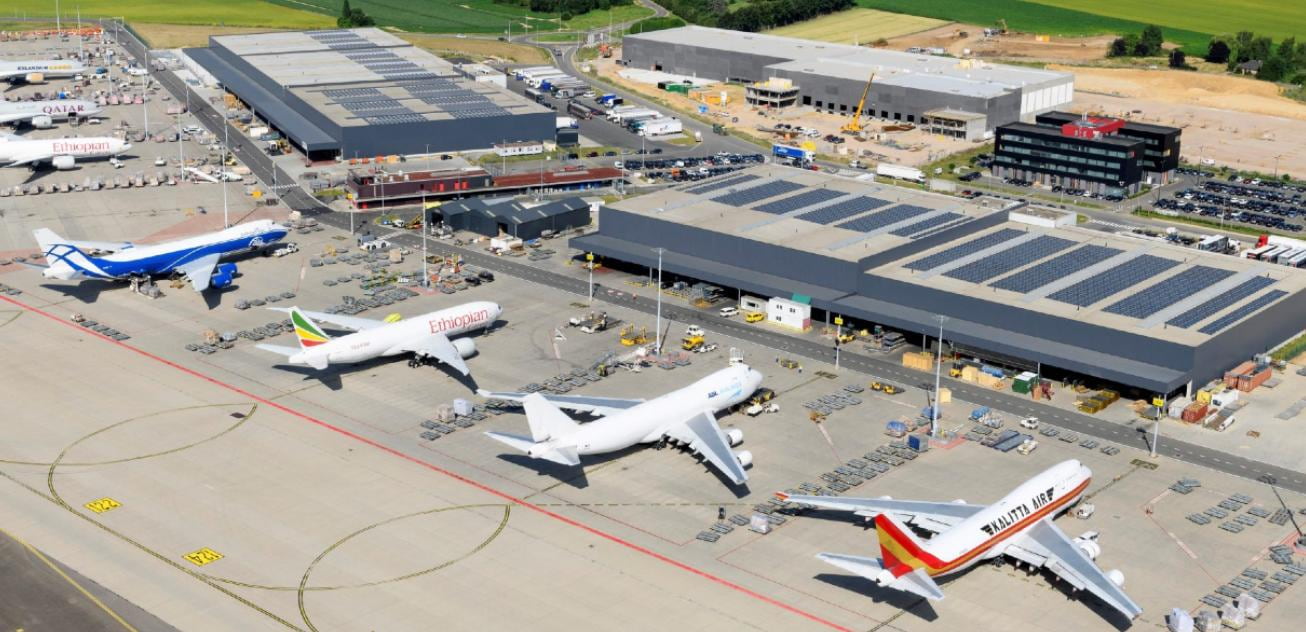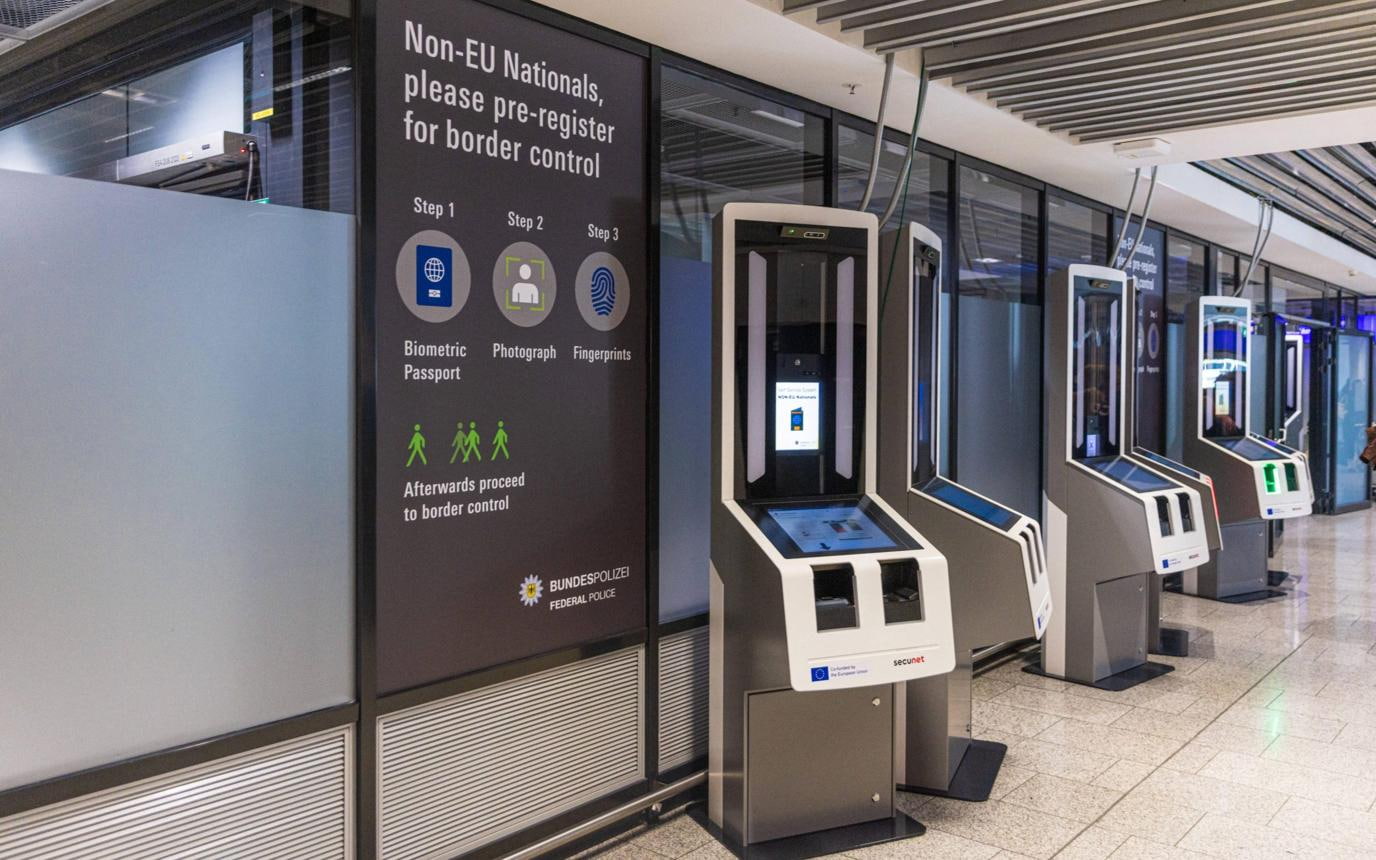
Split: Border officers at this Croatian port and airport spent the summer running the Union’s new biometric entry checks on every visitor from outside the bloc, and they will not be adding ETIAS to that workload this year. The eu-LISA management board meets in September 2026 to set a fresh timetable for the travel authorisation scheme, after concluding in June that the promised last-quarter launch could not be delivered.
ETIAS is the pre-travel authorisation that visa-exempt nationals of roughly sixty countries will need before boarding for the Schengen area. It is not a visa. Applicants file online, pay a fee the Commission set at 20 euros in 2025, and receive an authorisation valid for three years or until the passport expires.
The Council announced in March 2025 that the system would start in the last quarter of 2026, with a precise date to follow several months in advance. That date never came. The eu-LISA management board reviewed the schedule on 17 June 2026 and, according to people briefed on the meeting who spoke to the Financial Times, concluded that a 2026 start was no longer achievable. The Commission then quietly removed the 2026 reference from its public ETIAS pages in July.
Officials in Brussels have avoided announcing a formal postponement. A Commission spokesperson gave only a holding line when asked.
Preparations for the launch of ETIAS are ongoing, and many factors come into play when deciding when to launch a system of this scale.
Magnus Brunner, the Commissioner for Home Affairs, has pointed at national capitals rather than at the agency. He argued that causes unrelated to the biometric border system, such as insufficient staff or a lack of adequate infrastructure, could sit behind the delays. That framing puts the burden on interior ministries that must hire, train and equip before the software matters.
The sequencing explains most of the problem. ETIAS was always designed to follow the Entry/Exit System, which registers the biometrics and border crossings of non-EU travellers. That system began a progressive rollout on 12 October 2025 and reached full operation at every Schengen external border on 10 April 2026. The rollout absorbed the technical capacity, the border staff and the political attention that ETIAS needs.
It also left problems behind. Several member states struggled with queue lengths at high-volume crossings during the phase-in, and the legal framework permits a partial suspension of the biometric checks in exceptional circumstances at peak periods. Regulators are reluctant to layer a second continent-wide system on top of one still settling.
The September board carries three realistic options. It can name a specific 2027 date. It can set a window, such as the first half of 2027, and refine it later. Or it can publish technical conditions that must be satisfied before any date is fixed. Industry observers who track the file point to April 2027 as the earliest credible start, though no institution has confirmed that.
Airlines and travel sellers care about the answer for operational reasons. Carriers must check authorisation status before boarding, which requires interface work, staff training and passenger communication campaigns in dozens of markets. A launch date announced with only a few months’ notice leaves that industry compressing a year of preparation into a quarter. Tour operators selling summer 2027 packages need the answer now, not in spring.
Travellers face a gentler transition than the headlines suggest. Union law provides a transitional period of six months after the start, during which travellers arriving without an authorisation may still be admitted if they meet all other entry conditions, followed by a grace period for first-time travellers. The hard requirement bites later.
The wider context is a decade of border digitisation running behind its own legislation. The Entry/Exit System was adopted in 2017 with a 2020 start in mind and arrived in 2025. ETIAS was adopted in 2018 for a 2021 start. Both regulations were written before the agency had built either platform, and both dates slipped repeatedly as the technical scope grew and member states connected national systems at different speeds. The eu-LISA advisory group has reviewed progress on both files through 2026, and legal advisers tracking the launch status now treat 2027 as the working assumption.
The board’s September conclusions will tell the travel industry which year to plan for.