August 10, 2026
LATEST
Europe’s Air Quality Improves but WHO Limits LoomTwelve New EU Medicines Win a Green Light from EMAFIFA Agent Rules Must Answer to Europe’s CourtsTachograph Rules Now Reach Vans Crossing Europe’s BordersNature Restoration Plans Come Due as a Hard Deadline NearsBrussels Opens a State Aid Probe Into Spain’s Renewables PayoutBrussels Extends Its Tariff Suspension on US Goods IndefinitelyFarmers Win Stronger Contract Rights Across the EU Supply ChainEurope Finally Locks In Its 348-Satellite Answer to StarlinkPlatform Work Rules Face a National Scramble Before DecemberDuty-Free Parcels Reach the End of the Line for EU ShoppersAfter Nine Years, Europe and Australia Seal a Trade PactBeijing Answers Europe’s Russia Sanctions in KindOne Year On, the EU-Japan Alliance Faces Its First TestEurope’s Chip Ambitions Still Run Through Taiwan’s FabsWhy South Korea Bet Its Research Future on Europe’s ProgrammeEurope and Japan Deepen Their Economic Alliance as Rivals CircleFive Joint Defence Projects Launch Europe’s Military ShieldElectrification Plan Aims to Make Europe First Electro ContinentHorizon Europe Budget Fight Heats Up as Ministers Push BackEurope’s Air Quality Improves but WHO Limits LoomTwelve New EU Medicines Win a Green Light from EMAFIFA Agent Rules Must Answer to Europe’s CourtsTachograph Rules Now Reach Vans Crossing Europe’s BordersNature Restoration Plans Come Due as a Hard Deadline NearsBrussels Opens a State Aid Probe Into Spain’s Renewables PayoutBrussels Extends Its Tariff Suspension on US Goods IndefinitelyFarmers Win Stronger Contract Rights Across the EU Supply ChainEurope Finally Locks In Its 348-Satellite Answer to StarlinkPlatform Work Rules Face a National Scramble Before DecemberDuty-Free Parcels Reach the End of the Line for EU ShoppersAfter Nine Years, Europe and Australia Seal a Trade PactBeijing Answers Europe’s Russia Sanctions in KindOne Year On, the EU-Japan Alliance Faces Its First TestEurope’s Chip Ambitions Still Run Through Taiwan’s FabsWhy South Korea Bet Its Research Future on Europe’s ProgrammeEurope and Japan Deepen Their Economic Alliance as Rivals CircleFive Joint Defence Projects Launch Europe’s Military ShieldElectrification Plan Aims to Make Europe First Electro ContinentHorizon Europe Budget Fight Heats Up as Ministers Push Back
August 10, 2026
LATEST
Europe’s Air Quality Improves but WHO Limits LoomTwelve New EU Medicines Win a Green Light from EMAFIFA Agent Rules Must Answer to Europe’s CourtsTachograph Rules Now Reach Vans Crossing Europe’s BordersNature Restoration Plans Come Due as a Hard Deadline NearsBrussels Opens a State Aid Probe Into Spain’s Renewables PayoutBrussels Extends Its Tariff Suspension on US Goods IndefinitelyFarmers Win Stronger Contract Rights Across the EU Supply ChainEurope Finally Locks In Its 348-Satellite Answer to StarlinkPlatform Work Rules Face a National Scramble Before DecemberDuty-Free Parcels Reach the End of the Line for EU ShoppersAfter Nine Years, Europe and Australia Seal a Trade PactBeijing Answers Europe’s Russia Sanctions in KindOne Year On, the EU-Japan Alliance Faces Its First TestEurope’s Chip Ambitions Still Run Through Taiwan’s FabsWhy South Korea Bet Its Research Future on Europe’s ProgrammeEurope and Japan Deepen Their Economic Alliance as Rivals CircleFive Joint Defence Projects Launch Europe’s Military ShieldElectrification Plan Aims to Make Europe First Electro ContinentHorizon Europe Budget Fight Heats Up as Ministers Push BackEurope’s Air Quality Improves but WHO Limits LoomTwelve New EU Medicines Win a Green Light from EMAFIFA Agent Rules Must Answer to Europe’s CourtsTachograph Rules Now Reach Vans Crossing Europe’s BordersNature Restoration Plans Come Due as a Hard Deadline NearsBrussels Opens a State Aid Probe Into Spain’s Renewables PayoutBrussels Extends Its Tariff Suspension on US Goods IndefinitelyFarmers Win Stronger Contract Rights Across the EU Supply ChainEurope Finally Locks In Its 348-Satellite Answer to StarlinkPlatform Work Rules Face a National Scramble Before DecemberDuty-Free Parcels Reach the End of the Line for EU ShoppersAfter Nine Years, Europe and Australia Seal a Trade PactBeijing Answers Europe’s Russia Sanctions in KindOne Year On, the EU-Japan Alliance Faces Its First TestEurope’s Chip Ambitions Still Run Through Taiwan’s FabsWhy South Korea Bet Its Research Future on Europe’s ProgrammeEurope and Japan Deepen Their Economic Alliance as Rivals CircleFive Joint Defence Projects Launch Europe’s Military ShieldElectrification Plan Aims to Make Europe First Electro ContinentHorizon Europe Budget Fight Heats Up as Ministers Push Back

Frankfurt Pushes Listing Act Level Two Measures Toward Autumn Cliff

Frankfurt: The Listing Act level two file has shifted into its hottest phase as ESMA’s draft technical standards reach the Commission’s autumn adoption window, and the city’s exchange operators are already mapping how the new disclosure regime will sit on top of the MAR carve-outs that came in with the December 2024 base text.

The package — adopted as Regulation 2024/2809 and the parallel directive amending MiFID II and the Market Abuse Regulation — moved the listing rulebook in three directions at once. It lifted the prospectus exemption ceiling, opened a simplified secondary issuance regime, and recalibrated the market sounding rules that had been the source of the most complaints from small-cap issuers across the Scale segment in Frankfurt and Euronext Growth in Paris.

Level two delivery sits with ESMA. The authority closed its final consultation rounds in early 2026 on the regulatory technical standards covering prospectus formats, the contents of the EU growth issuance document, and the new follow-on offering document. Draft RTS landed with Commission services in the spring, leaving the autumn as the formal adoption window before a deadline that some German legal advisers privately worry has too little slack.

Deutsche Börse and the Bundesanstalt für Finanzdienstleistungsaufsicht see the most pressure on the simplified document regime. Mid-cap issuers tapping equity markets again after their IPOs will be the first cohort exposed to the new condensed disclosure model. The Frankfurt listings desk has been pushing for a single standardised template across the bloc rather than a member-state patchwork, an outcome that depends on how tightly the Commission codifies the ESMA drafts.

The market sounding piece is the politically sensitive part. The original MAR regime had drawn complaints that the cleansing requirements were unworkable for smaller deals, and the level one amendments narrowed the scope. Level two now needs to draw the line between sounding and an unlawful disclosure of inside information without reimporting the old friction. Several investor associations have warned the Commission that any softening that does not preserve abuse safeguards will face Parliament pushback when the implementing measures hit comitology scrutiny.

A separate strand covers the homogeneous classes test for prospectus exemptions and the cross-border passporting refinements. ESMA’s mapping found significant divergence between national competent authorities on how the exemptions were applied in practice. The level two text is meant to compress that divergence, with knock-on benefits for issuers in smaller capital markets who currently face friction when seeking listings in Frankfurt or Amsterdam.

The autumn cliff matters because the application timetable in the level one text starts to bite from mid-2026. Several application dates run from 5 March 2026 and others from 5 June 2026, with the most material disclosure changes phased through to 2027. National competent authorities are warning that without finalised level two by autumn, the first full prospectus filings under the new regime will land in a half-finished rulebook.

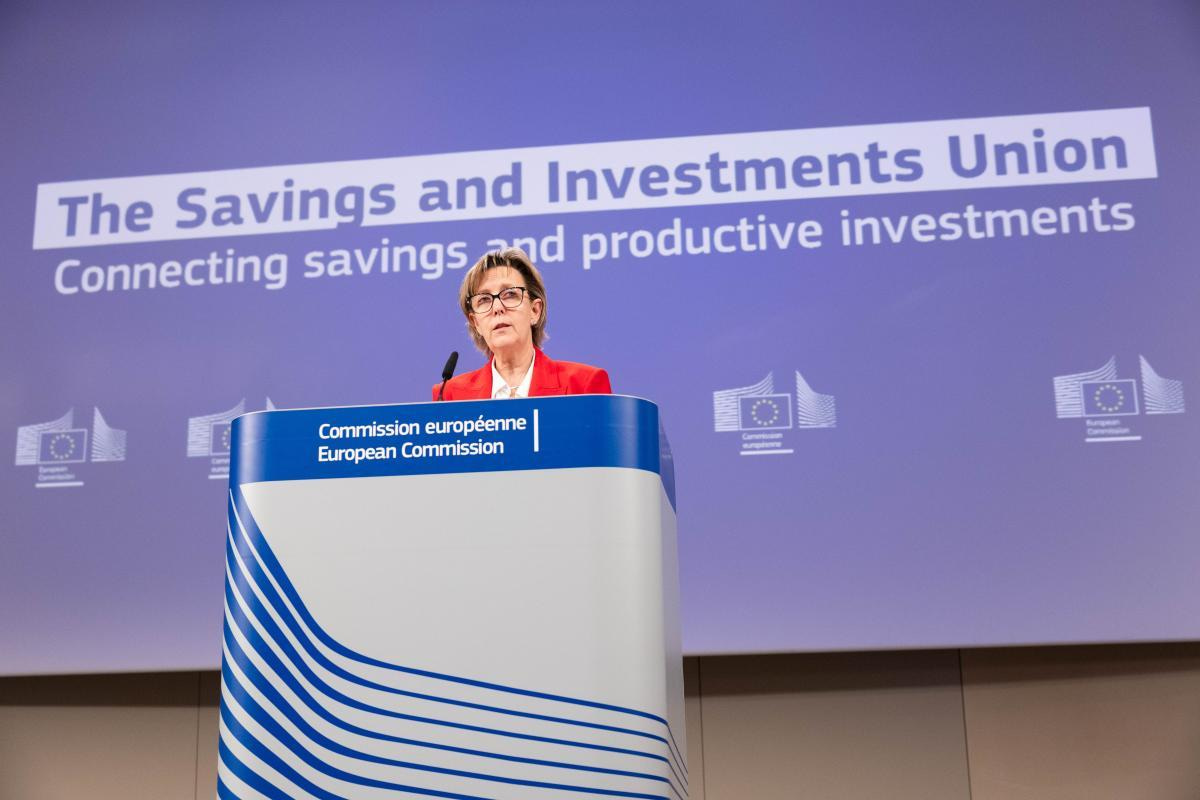
For Frankfurt the stakes are concrete. The exchange has been chasing scaleup listings against London and the US, and the Listing Act was sold as the regulatory unlock that closes the European IPO gap. A delayed or watered-down level two will blunt that political message just as the Savings and Investments Union package is meant to refocus capital flows back into domestic markets.

The Commission’s next moves will be watched closely in the Eurogroup and in the European Parliament’s ECON committee, where the scrutiny period for delegated acts has historically been used to slow files that members judge insufficiently protective of retail investors. The autumn calendar leaves very little room for that fight.