Brest: The European Court of Auditors warned in Special report 25/2026, published in late October 2026, that marine protected areas across the EU often fail to deliver real protection and that the bloc is unlikely to meet its 2030 targets. About 13.7% of EU marine waters were designated as protected in 2023, against a goal of 30% by 2030. Strictly protected zones cover less than 1% of the sea, against a 10% target.
Iliana Ivanova, the Court member in charge of the audit, put the problem plainly. “The true challenge is turning designation into actual protection,” she said, according to Euronews. She added that turning political ambition into tangible results for marine ecosystems will require faster action.
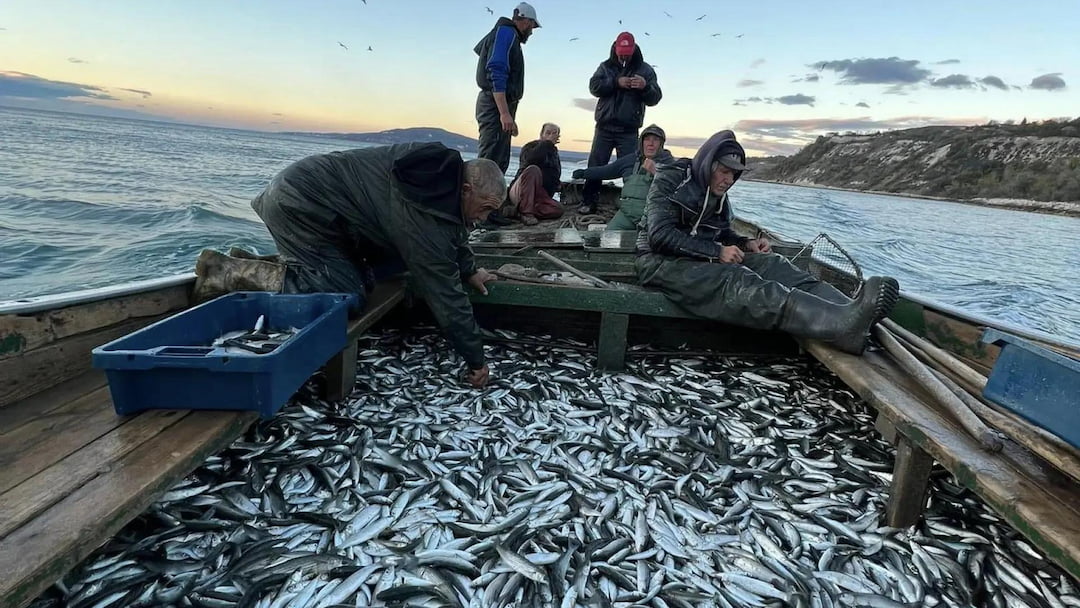
The auditors found that few conservation measures have been adopted since 2013. Fishing restrictions cover only a small share of the designated marine protected areas. Enforcement suffers from staff shortages, inadequate funding and slow administrative procedures, and some authorities lack the power to stop harmful activities.
Funding adds to the difficulty. Money for marine protected areas is fragmented across national budgets and several EU instruments, which makes long-term planning hard. EU-level measures for fleets from several countries also move slowly. Without stable money, national agencies struggle to hire staff, run patrols and monitor the habitats they are meant to guard.
The report points to uneven results between member states. France and Sweden made progress through community involvement and bottom-trawling bans. Ireland, by contrast, was held back by data gaps and legal delays.
The Court asked for harmonised, enforceable conservation rules and stronger restrictions on damaging activities. It also called for a more coherent network of marine protected areas and closer engagement with local stakeholders. “We need the European Commission and member states to join forces,” Ivanova said.
Environmental groups welcomed the scrutiny but warned against more delay. Monica Verbeek, executive director of the NGO Seas At Risk, said: “We cannot afford another decade of ambitious targets followed by insufficient implementation.” Her warning echoes the auditors, who say that designation alone does not protect marine protected areas from damaging activity.
The 30% target comes from the EU Biodiversity Strategy for 2030, which also sets a 10% goal for strict protection. The Court reached a similar verdict in 2020, when it said EU protection of the marine environment was wide but not deep. Six years on, the new report suggests designation has outpaced real management at sea. The gap between the 10% strict-protection goal and the actual figure of under 1% shows how far the bloc still has to go.
The Commission and member states now face a clear test. Unless they pair new designations with funded management, monitoring and enforcement, marine protected areas will stay lines on a map. The coverage of the Euronews report on the audit and the EU Law Live summary of Special report 25/2026 set out the findings in more detail.