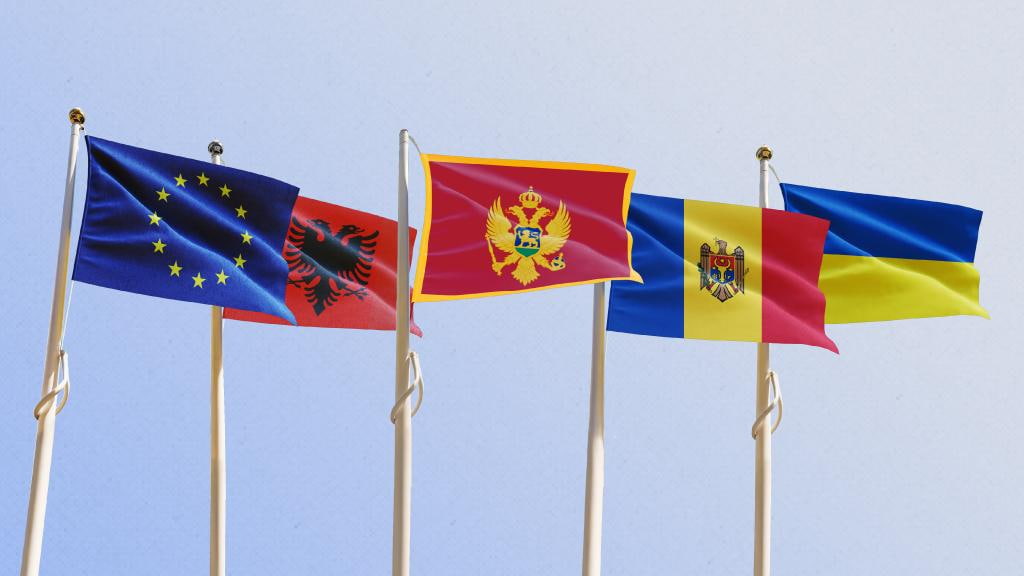
Brussels: Commissioner Marta Kos presents the enlargement package 2026 on Wednesday 4 November 2026, one week later than the Commission first planned. The annual set of documents includes reports on ten candidate countries and potential candidates, and it lands with accession roadmaps for the most advanced candidates.
The Commission first scheduled the enlargement package 2026 for 28 October, according to The New Union Post. The outlet reported on 14 October that officials needed extra time to finish two files, the strategic areas for gradual integration and the roadmaps. Kos told reporters on 13 October: “We will introduce more of this when we present the Enlargement Package, which will happen on 4 November.”
Ursula von der Leyen announced the roadmaps in her State of the Union speech on 16 September 2026. EU sources told The New Union Post that Albania, Moldova, Montenegro and Ukraine are the expected beneficiaries. Each roadmap would set commitments for the candidate and for member states, because unanimity governs every step of accession. The documents would also give indicative timelines for closing negotiating chapters, though no fixed dates have leaked.
The gradual integration proposal forms the second pillar of the enlargement package 2026. It offers a coherent approach for all current candidates and maps strategic areas where they could join EU policies before full membership. Early indications point to energy, transport, digital and defence. Participation would depend on reform progress and the Commission could reverse it, and officials describe the approach as a complement to accession, not a substitute.
The package follows the usual structure of an Enlargement Communication plus country reports, with the rule of law in the foreground. Parliament moves quickly afterwards. As European Western Balkans reports, the permanent rapporteurs of the Foreign Affairs Committee then draft resolutions on each country.
On 5 November the Foreign Affairs and Budgets committees hold joint dialogues on the reform and growth instruments for the Western Balkans, Moldova and Ukraine. Gert Jan Koopman, Director-General of DG NEAR, briefs MEPs on reform agendas and on the disbursement of EU funds. Those sessions give lawmakers an early chance to test the Commission’s findings against the money already flowing.
Governments will read the enlargement package 2026 for what it leaves out as much as for what it contains. Reporting so far gives no accession treaty dates, and the roadmaps promise indicative timelines rather than deadlines. European Western Balkans has called the October and December European Council meetings crucial for enlargement, so leaders now have a concrete text to argue over.
Candidates will measure the enlargement package 2026 by one test. They want to see whether the roadmaps turn reform work in Tirana, Podgorica, Chisinau and Kyiv into dated steps that member states are willing to sign.