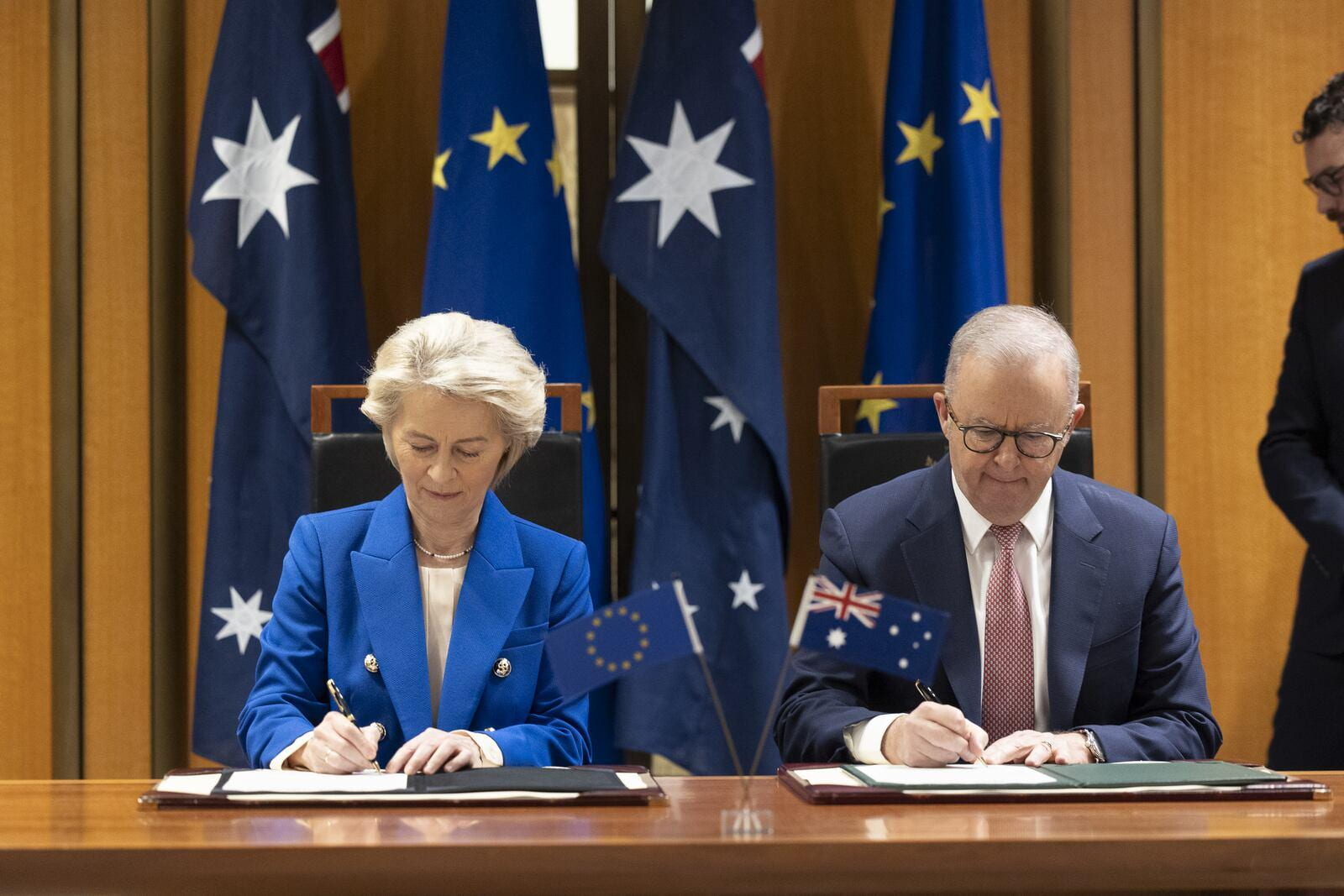
Jakarta: The Indonesia EU CEPA was supposed to be signed by the end of October 2026, and the sources available on 2 November do not confirm that it was. Trade Minister Budi Santoso said on 6 October that Jakarta and Brussels had agreed to finish signing by the end of the month, probably in Jakarta. No report reviewed for this article shows a signing ceremony since then, so the Indonesia EU CEPA should be treated as agreed in substance but unsigned.
The political deal is old. Negotiators concluded the Indonesia EU CEPA in September 2025 after talks that began in 2016, according to The European Post. Since then lawyers have been scrubbing and translating the legal text, and that slow technical phase now decides the calendar. Coordinating Minister Airlangga Hartarto tied the timing to finishing the English version of the text.
Language is one open question. Santoso said Indonesia wants the signed agreement in Indonesian and English, while the EU had perhaps not yet agreed whether those two versions are enough or whether the text must be translated into every EU language first. He saw some indication of agreement on 5 October and hoped two languages would suffice. Whether that happened is not confirmed, and a full translation round would push signature into the winter.
The reason for the hurry is a tariff cliff. Indonesian goods currently enter the EU under the Generalised Scheme of Preferences, and Santoso warned that without it those facilities will no longer exist. Reports disagree on the end date, with ANTARA citing the end of 2026 in one article and 2027 in another. Footwear, textiles and fishery products are the exporters most exposed, because a gap between the end of preferences and the start of the Indonesia EU CEPA would mean higher duties.
The benefits on offer are large on paper. Indonesian reports cited by The European Post say about 90 percent of Indonesian products would enter the EU at zero tariff on day one, with the rest phased out, while the EU is expected to remove duties on 98.5 percent of its tariff lines. Jakarta also wants access for sustainable palm oil and its derivatives, and Hartarto pointed to European interest in hydropower, batteries, renewable energy, digital industries and critical mineral processing.
Palm oil remains the likeliest source of friction after signature. EU deforestation and sustainability rules have caused disputes with other trading partners, and The European Post warns that the Mercosur case shows how such rules can resurface after a deal is struck. A signed text does not settle how those rules will be applied to Indonesian exports, so the Indonesia EU CEPA may still face political scrutiny in the Parliament.
The path after signing is not short. The Commission must send the proposal to the Council, a Council decision must follow, and the European Parliament must give its consent. On the Indonesian side, lawmakers must agree on a ratification mechanism, and no firm timetable has been published. Santoso hopes that completion by the end of December would allow entry into force in January 2027, yet the sources reviewed do not show that the EU institutions have set a matching schedule.
A visit by Commission President Ursula von der Leyen and Trade Commissioner Maroš Šefčovič to Indonesia in late October or early November had been floated as a possible occasion for signing. No date was announced in the material reviewed. If the visit happens soon and the language question is settled, the Indonesia EU CEPA could be signed before the year ends. If not, exporters will face the preference cliff without a trade agreement to catch them.