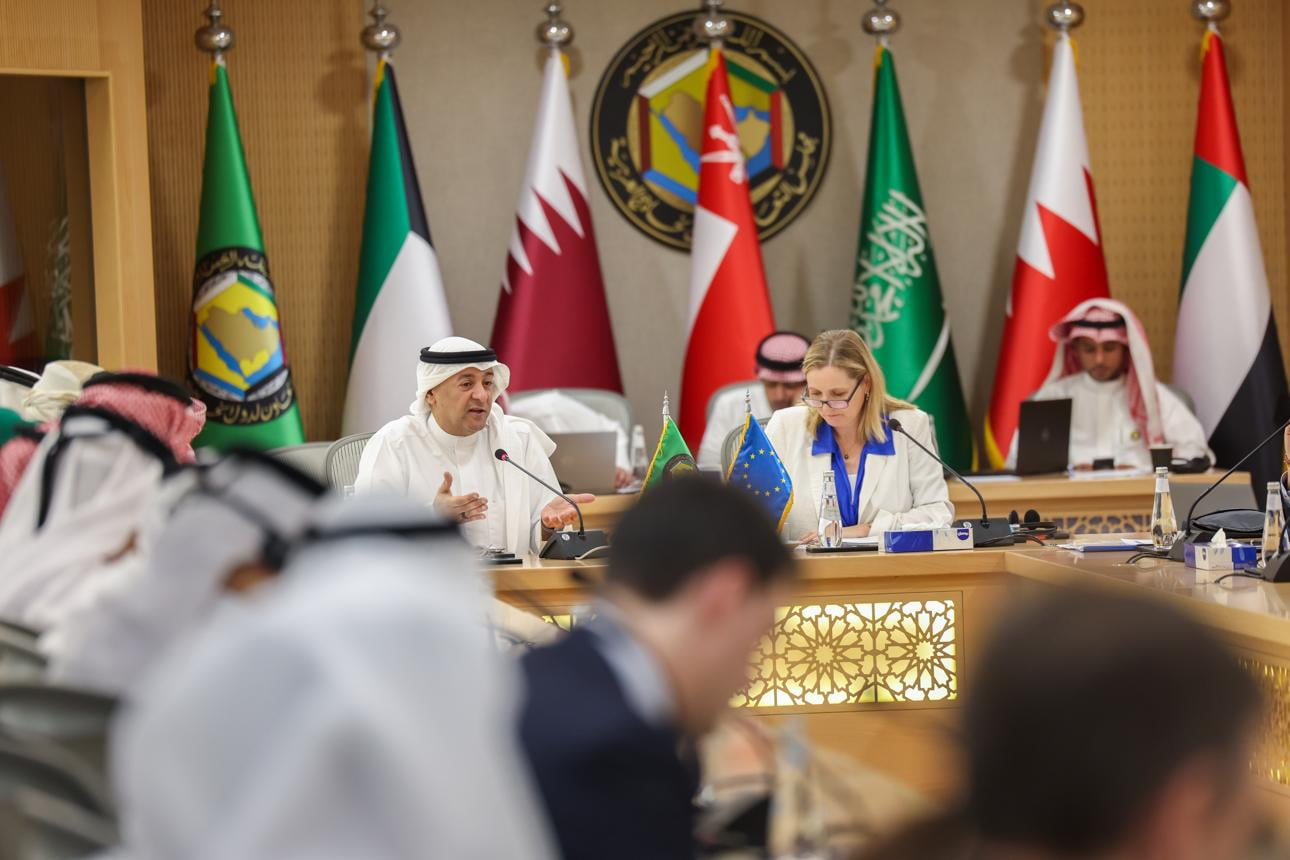
Riyadh: The EU-GCC summit 2026 will not take place on 24 October as planned, because the Council announced on 15 October that the second leaders’ meeting with the Gulf Cooperation Council is postponed and that a new date will follow in due course. The Council release gives no reason. The Gulf side, however, pointed to Houthi attempts to target Saudi civilian infrastructure and to the extended suspension of operations at King Khalid International Airport.
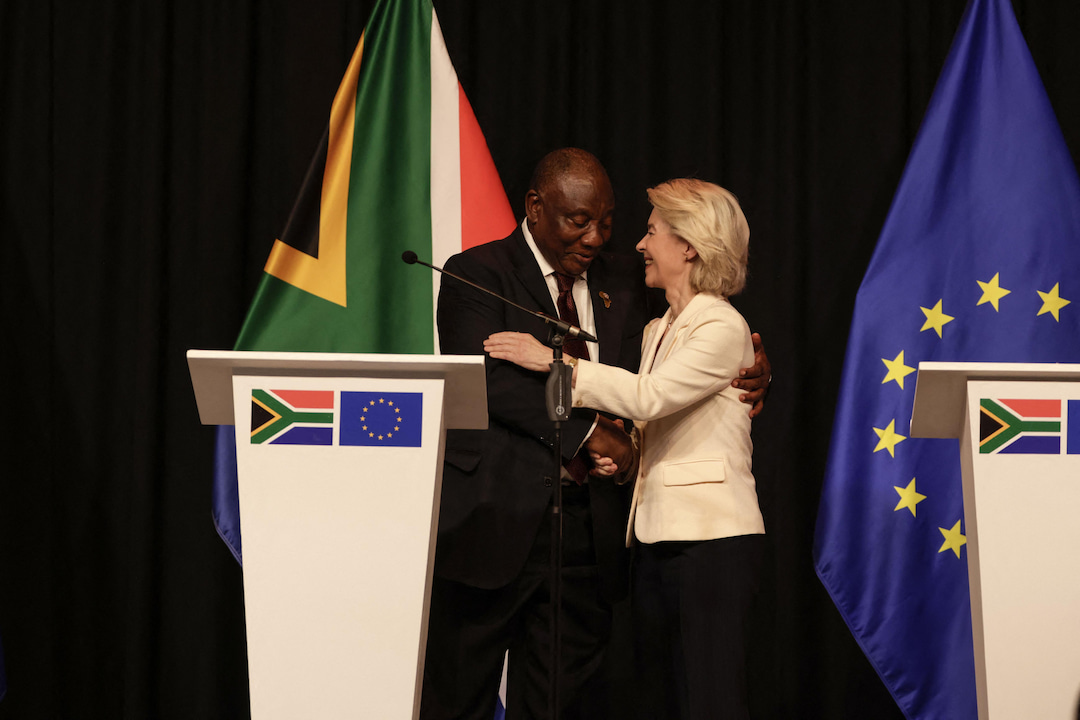
European Council President Antonio Costa was due to co-chair the meeting with Crown Prince Mohammed bin Salman, and the 27 EU leaders were expected to attend in person. Costa’s invitation letter of 7 October named peace and security, connectivity, trade, economic cooperation, energy and mobility as priorities. Commission President Ursula von der Leyen and the leaders of Saudi Arabia, Bahrain, Kuwait, Oman, Qatar and the UAE completed the guest list.
The security picture explains the decision. Bloomberg-sourced reporting counts at least 18 deaths and hundreds of injuries from Houthi drone and missile attacks in the week before the announcement, with a missile intercepted over Medina. Euronews cited 14 deaths and more than 300 injuries from strikes that included Riyadh’s airport. The totals differ, but both accounts describe a host city that could not guarantee normal air traffic for 27 delegations.
The delay to the EU-GCC summit 2026 costs more than a photo opportunity. The Commission says the EU is the GCC’s second-biggest trading partner, with trade up about 30 percent over the past decade, imports up about 54 percent and exports up about 20 percent. Fuel makes up over 75 percent of EU imports from the region. A leaders’ meeting was the natural place to link that energy dependence to investment, mobility and security. Brussels also launched strategic partnership negotiations with Bahrain on 13 July 2026, so the bilateral track continues while the collective one waits.
Gulf governments have their own reasons to want the meeting back. Hosting an event of this size lets Riyadh show that the kingdom remains a safe and stable partner, and a Europe-wide audience adds a counterweight to other security relationships. A leaders’ summit also lets smaller members such as Oman and Kuwait raise concerns that bilateral channels rarely reach. The EU-GCC summit 2026 would have been the first full leaders’ meeting since the Brussels summit of October 2024.
Europe has parallel interests that a delay does not remove. The Commission wants steadier energy supply from the region, member states want a say in Red Sea and Gulf security, and investors want predictable rules for mobility and trade. These are long-term files, so a postponement of a few weeks costs little in substance, but a postponement of many months would signal that regional security now dictates what diplomacy can schedule.
The postponement of the EU-GCC summit 2026 also exposes a mismatch in European priorities. High Representative Kaja Kallas has pushed member states to reinforce the Aspides naval mission, yet pledges have lagged, and Gulf capitals will notice the gap between summit language on security and the ships actually deployed. Rescheduling will therefore depend on events at sea and on Saudi airspace as much as on diplomatic calendars. Neither side has offered a replacement date.
What happens next is a question of sequencing. If the Houthi threat eases and flights resume normally, the EU-GCC summit 2026 could be rebuilt around the original energy, trade and security agenda in the coming months. If attacks continue, the EU-GCC summit 2026 risks sliding into 2027, and both blocs would then have to show partnership through ministerial contacts and the Bahrain negotiations instead of a leaders’ declaration.