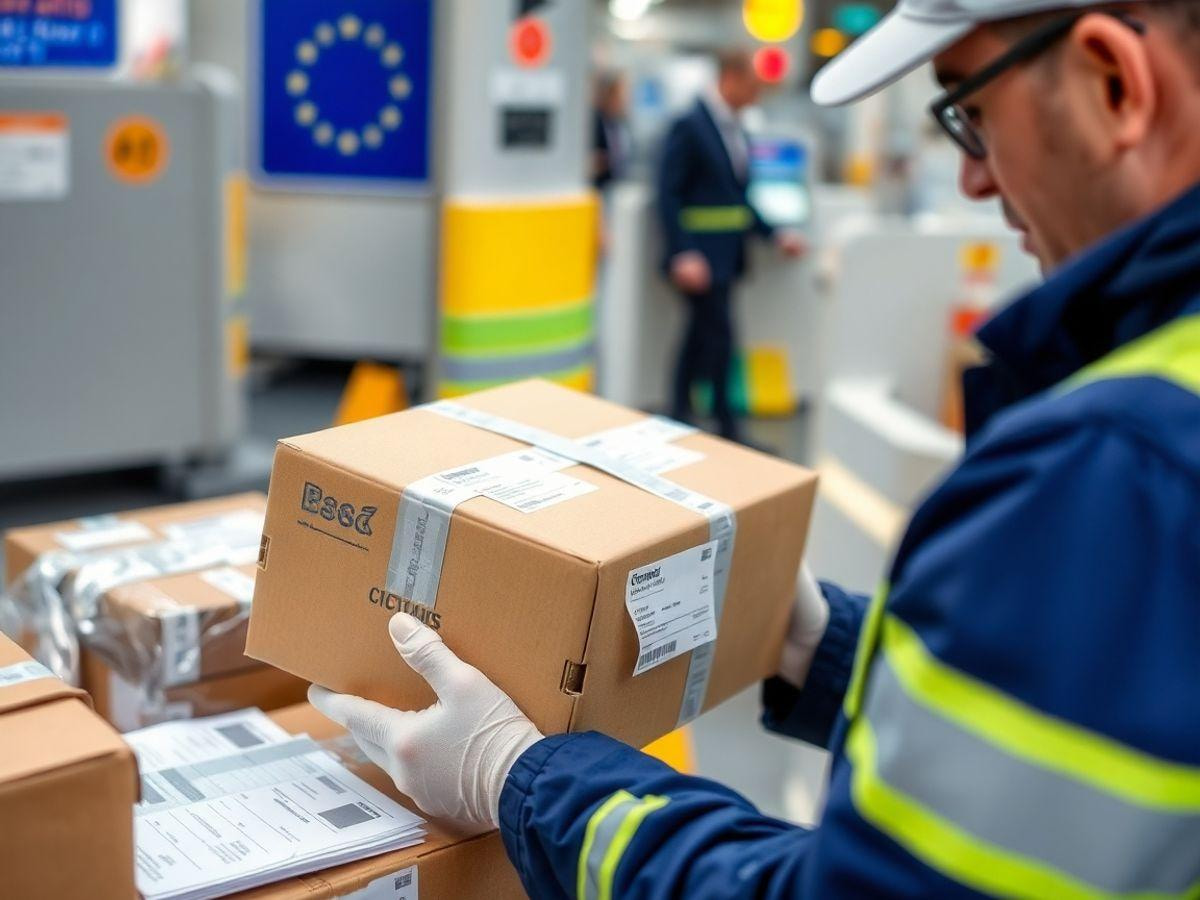
Brussels: Small parcels shipped into the European Union from outside the bloc lose their duty-free status on 1 July 2026, when a flat customs charge replaces an exemption that has stood for years. The change scraps the rule that let goods worth up to 150 euros enter without any customs duty at all.
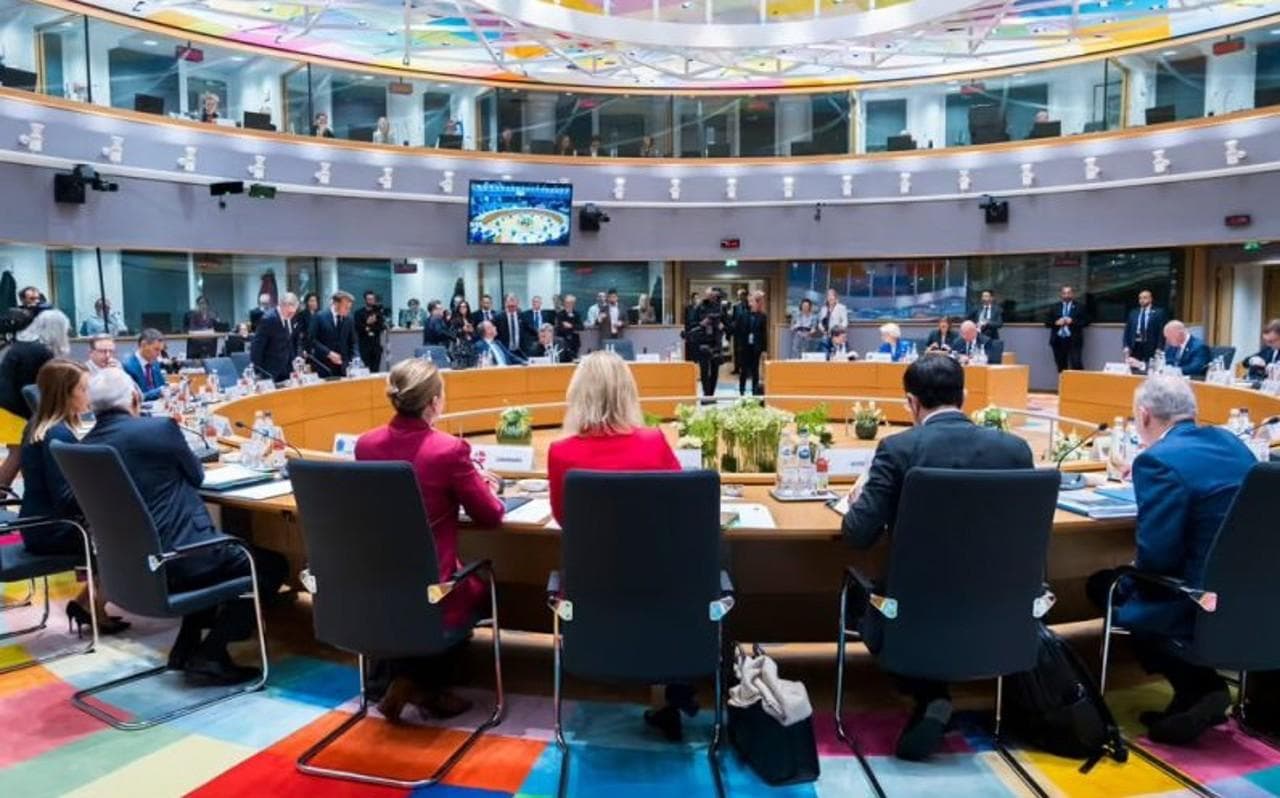
EU finance ministers agreed the measure in December 2025, clearing the way for a temporary duty of three euros on each low-value item entering the bloc. The Council confirmed the plan when it agreed to levy customs duty on small parcels from mid-2026. The flat rate applies per item rather than per package, and it runs until 1 July 2028, after which normal tariffs will kick in according to the type of good.
The reform answers a flood of cheap online orders. Well over four billion low-value consignments poured into the EU in a single year, the vast majority of them from a handful of non-EU e-commerce platforms. Regulators found that a striking share of those items failed to meet the bloc’s safety, labelling or environmental standards, leaving European retailers to compete against goods that skipped both the tariff and the rulebook.
Brussels frames the charge as a matter of fairness as much as revenue. A domestic shop already pays duties and taxes on the components it imports, so the Commission argues that a phone case or pair of earbuds mailed direct from abroad should not slip in untaxed. The three-euro duty aims to level that field while helping cover the cost of processing a mountain of tiny parcels.
A separate Union handling fee sits in the pipeline behind the duty. The Commission has proposed a charge to recover the customs administration costs that member states shoulder, though it has left the exact amount and start date to be settled in autumn 2026. Officials stress that the handling fee is not itself a customs duty, and the two levies would work side by side.
Traceability forms the other pillar of the overhaul. From 1 July 2026 businesses can attach Product Identifiers to their shipments on a voluntary basis, and those identifiers become mandatory from 1 November 2026 to sharpen safety checks and let authorities trace faulty goods back to their source. The Commission set out the mechanics in its guidance on the temporary flat fee.
For shoppers, the era of the truly free import is ending, and popular bargain platforms will likely pass at least part of the new cost down the line. For the customs union, the charge on small parcels marks a first, deliberate step toward a wider reform that ministers hope will make e-commerce safer, fairer and far easier to police.