September 19, 2026
LATEST
Small Parcels Get a Handling Fee as Europe’s Customs Reform ClearsManila Must Open Public Contracts Before Europe Signs AnythingEurope’s KIDS Act Would Put Parents Back in Charge of AccountsArmenian Apricots Reach Europe Only Through Narrow Tariff QuotasMyanmar’s Crisis Outgrows the Aid Envelope Europe Built for ItJapan Joins Horizon Europe for the Price of a Rounding ErrorIndia’s Trade Deal Now Waits on the Council and Two ParliamentsBeijing Gets an October Date and a Very Short Deliverables ListJudges Strike Down Estonia’s Deposit for European CandidatesSolidarity Fund Pays for Storms Eight Months After the WaterFreight Tariffs Decide Whether the Middle Corridor Reaches ScaleFolding the Diplomatic Service Into the Commission Needs UnanimityCritical Raw Materials Corporation Tests EU StockpilingHeatwave Plan Tests Europe’s Climate Adaptation GapEuropean Security Council Faces a Missing Legal BaseNature Restoration Plans Arrive With a Year of Haggling AheadPlatform Work Rules Arrive in December With Most States UnreadyDominant Firms Face Europe’s First Rulebook on Exclusionary AbuseInnovation Act Reaches Council With EU Preference Still DisputedSecondary Raw Materials Await an Act That Has Not Been TabledSmall Parcels Get a Handling Fee as Europe’s Customs Reform ClearsManila Must Open Public Contracts Before Europe Signs AnythingEurope’s KIDS Act Would Put Parents Back in Charge of AccountsArmenian Apricots Reach Europe Only Through Narrow Tariff QuotasMyanmar’s Crisis Outgrows the Aid Envelope Europe Built for ItJapan Joins Horizon Europe for the Price of a Rounding ErrorIndia’s Trade Deal Now Waits on the Council and Two ParliamentsBeijing Gets an October Date and a Very Short Deliverables ListJudges Strike Down Estonia’s Deposit for European CandidatesSolidarity Fund Pays for Storms Eight Months After the WaterFreight Tariffs Decide Whether the Middle Corridor Reaches ScaleFolding the Diplomatic Service Into the Commission Needs UnanimityCritical Raw Materials Corporation Tests EU StockpilingHeatwave Plan Tests Europe’s Climate Adaptation GapEuropean Security Council Faces a Missing Legal BaseNature Restoration Plans Arrive With a Year of Haggling AheadPlatform Work Rules Arrive in December With Most States UnreadyDominant Firms Face Europe’s First Rulebook on Exclusionary AbuseInnovation Act Reaches Council With EU Preference Still DisputedSecondary Raw Materials Await an Act That Has Not Been Tabled
September 19, 2026
LATEST
Small Parcels Get a Handling Fee as Europe’s Customs Reform ClearsManila Must Open Public Contracts Before Europe Signs AnythingEurope’s KIDS Act Would Put Parents Back in Charge of AccountsArmenian Apricots Reach Europe Only Through Narrow Tariff QuotasMyanmar’s Crisis Outgrows the Aid Envelope Europe Built for ItJapan Joins Horizon Europe for the Price of a Rounding ErrorIndia’s Trade Deal Now Waits on the Council and Two ParliamentsBeijing Gets an October Date and a Very Short Deliverables ListJudges Strike Down Estonia’s Deposit for European CandidatesSolidarity Fund Pays for Storms Eight Months After the WaterFreight Tariffs Decide Whether the Middle Corridor Reaches ScaleFolding the Diplomatic Service Into the Commission Needs UnanimityCritical Raw Materials Corporation Tests EU StockpilingHeatwave Plan Tests Europe’s Climate Adaptation GapEuropean Security Council Faces a Missing Legal BaseNature Restoration Plans Arrive With a Year of Haggling AheadPlatform Work Rules Arrive in December With Most States UnreadyDominant Firms Face Europe’s First Rulebook on Exclusionary AbuseInnovation Act Reaches Council With EU Preference Still DisputedSecondary Raw Materials Await an Act That Has Not Been TabledSmall Parcels Get a Handling Fee as Europe’s Customs Reform ClearsManila Must Open Public Contracts Before Europe Signs AnythingEurope’s KIDS Act Would Put Parents Back in Charge of AccountsArmenian Apricots Reach Europe Only Through Narrow Tariff QuotasMyanmar’s Crisis Outgrows the Aid Envelope Europe Built for ItJapan Joins Horizon Europe for the Price of a Rounding ErrorIndia’s Trade Deal Now Waits on the Council and Two ParliamentsBeijing Gets an October Date and a Very Short Deliverables ListJudges Strike Down Estonia’s Deposit for European CandidatesSolidarity Fund Pays for Storms Eight Months After the WaterFreight Tariffs Decide Whether the Middle Corridor Reaches ScaleFolding the Diplomatic Service Into the Commission Needs UnanimityCritical Raw Materials Corporation Tests EU StockpilingHeatwave Plan Tests Europe’s Climate Adaptation GapEuropean Security Council Faces a Missing Legal BaseNature Restoration Plans Arrive With a Year of Haggling AheadPlatform Work Rules Arrive in December With Most States UnreadyDominant Firms Face Europe’s First Rulebook on Exclusionary AbuseInnovation Act Reaches Council With EU Preference Still DisputedSecondary Raw Materials Await an Act That Has Not Been Tabled

Small Parcels Get a Handling Fee as Europe’s Customs Reform Clears

Lille: The European Parliament approved the European Union’s biggest customs reform in half a century on 16 September 2026, adopting at second reading a rewritten Union Customs Code and the regulation that plants a new EU Customs Authority in this northern French city from 2027.

The Council had already signed off the package on 3 September, so the Strasbourg vote closed a file opened in 2023. The text now goes for signature and publication in the Official Journal, and member states get twelve months before the bulk of the obligations start to bite.

The change traders will feel first sits in the e-commerce chapter. A platform selling into the Union from outside it becomes the importer, which means it owes the duty, files the data and carries the product-compliance risk. Until now that liability landed on the consumer who clicked buy, usually without knowing it.

Operators that ignore those obligations face a penalty regime with teeth. The most serious cases can draw fines of up to 6% of a company’s annual import value from the preceding year, the loss of customs privileges, and restrictions on the platform’s access to the EU market.

A separate instrument arrives far sooner. An EU-wide handling fee on small parcels must be in place by 1 November 2026, and the Commission has still to fix its level. That leaves roughly six weeks for retailers, postal operators and twenty-seven national administrations to prepare for a charge whose size nobody yet knows. The fee is distinct from the earlier Council decision to scrap the duty exemption on consignments worth less than 150 euro.

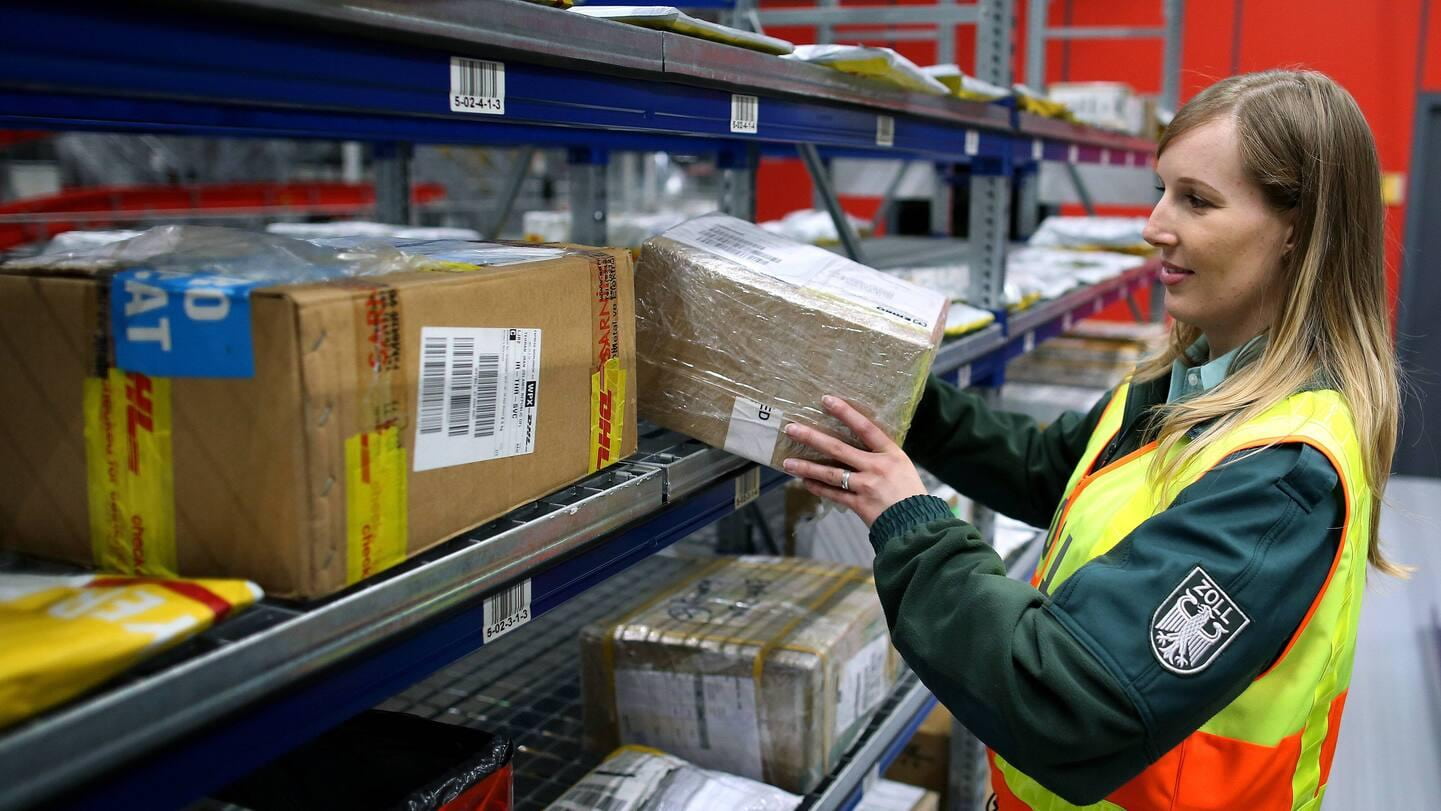
The numbers behind the customs reform explain the urgency. In 2025 the Union’s 2,200 customs offices and 84,000 officials collected almost 31 billion euro in duties while handling around six billion e-commerce parcels, more than nine in ten of them arriving from China, alongside 1.5 billion consignments of conventional trade. The Council’s own account of the reform puts the customs union’s throughput above 4.3 trillion euro, roughly 14% of global trade.

The reform’s central machine is an EU customs data hub that replaces more than a hundred national IT systems and gives the Lille authority a live picture of what crosses the border. Its timetable runs long. E-commerce businesses must record their movements in the hub from 1 July 2028, and every other trader from 1 March 2034.

Companies that document their supply chains in full can apply for a new status, trust and check trader, and the most reliable of them will release goods into circulation without any active customs intervention. Whether twenty-seven administrations award that status on the same terms will decide if the label means anything to a mid-sized exporter.

That gap between the vote and the working reality is the real test. Parliament has legislated a single European customs practice, yet the officers who will apply it still answer to national ministries, and they will keep doing so for years after the agency in Lille opens its doors. Parliament’s negotiators secured the architecture. The parcels arriving in November will show whether it holds.