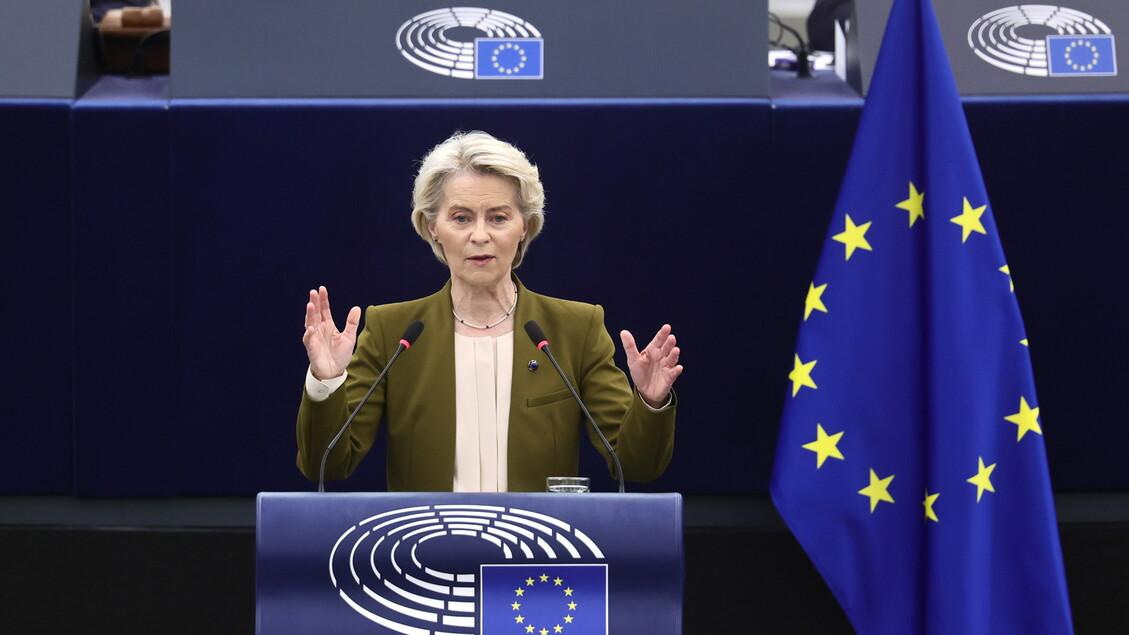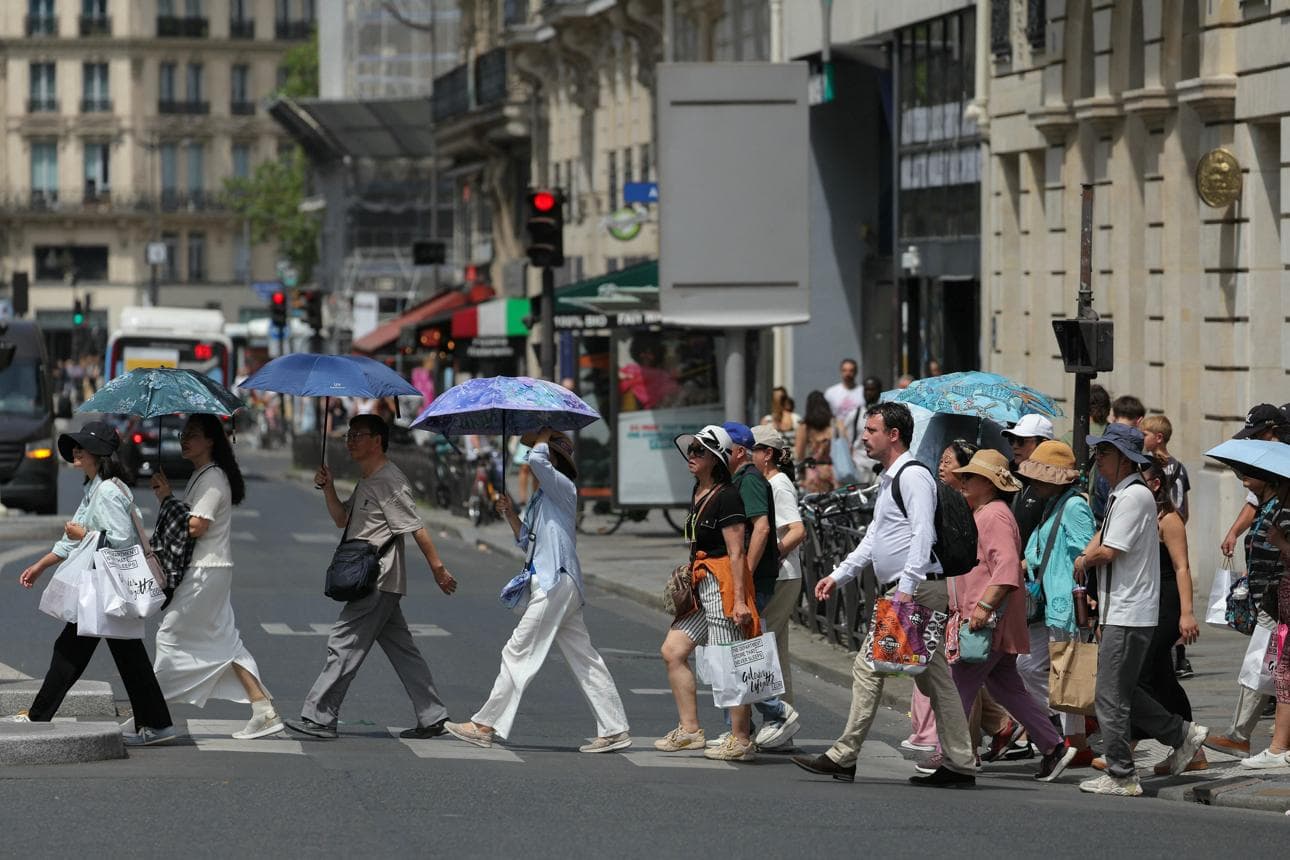
A European Heatwave Plan now sits at the centre of the EU’s climate agenda after Ursula von der Leyen made adaptation, not emissions, the emotional core of her 16 September State of the Union address. She called the past months a “summer of truth” and told MEPs that at least 35,000 additional deaths were linked to heatwaves this year. The plan is the first time the Commission has organised extreme heat as a civil protection problem rather than a weather event.
## What the European Heatwave Plan covers
Four strands were named: early warning systems, health preparedness, urban adaptation and cooling, with explicit attention to vulnerable groups. Each targets a failure mode that recurred across member states this summer – alerts that arrived late, hospitals without surge capacity, and cities whose built environment traps heat overnight.
None of it is regulation in the conventional sense. Cooling standards, hospital staffing and municipal planning are national and local competences, which means the plan will work through coordination, funding conditionality and benchmarking rather than through directives.
## Why adaptation is displacing mitigation in EU climate politics
European climate policy has been built almost entirely around cutting greenhouse gases. That architecture is intact – the 2040 target of a 90% net reduction entered into force in April 2026 – but it says nothing about protecting people from warming already locked in.
The shift also has a political reading. A conservative parliamentary majority has spent two years trimming Green Deal obligations in the name of competitiveness. Adaptation offers a climate agenda that funds infrastructure and emergency services rather than imposing compliance costs, which makes it saleable to the same majority.
## The vulnerability mapping due next month
The Commission president promised that as early as October it will map 100 of Europe’s most vulnerable territories and assess their risks, within what she framed as a new climate resilience framework.
That exercise is the plan’s most testable commitment. A published list of 100 territories creates an implicit queue for funding and an uncomfortable question for every region that appears on it – or that does not.
### Insurance and the cost of doing nothing
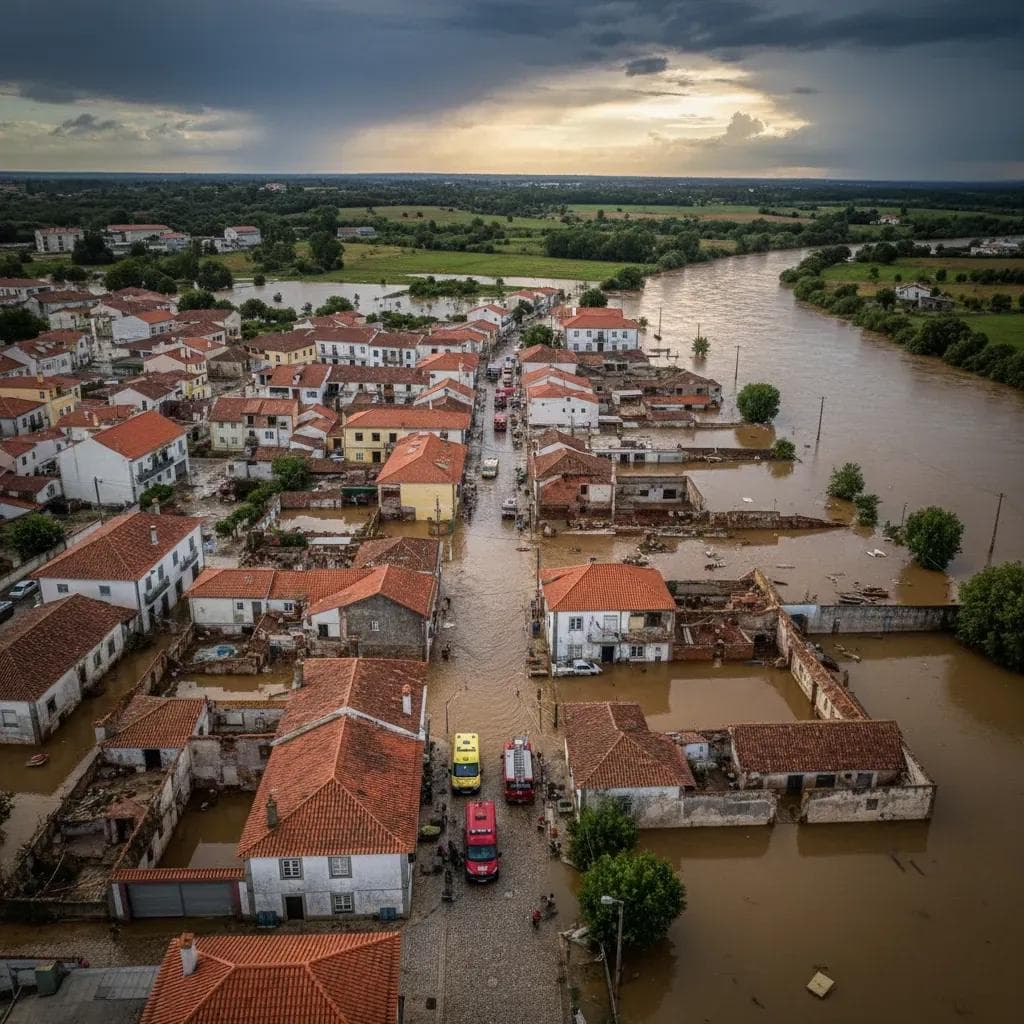
Alongside the heatwave plan came a Climate Insurance Alliance, responding to a protection gap the Commission put bluntly: only around 25% of catastrophe losses in Europe are covered by private insurance. National budgets, von der Leyen said, have become the insurer of last resort. This year’s wildfires alone are estimated to have destroyed around 3 billion euro in value.
## What happens next
Three further deliverables were trailed: a European Water initiative, a working group of senior firefighters and emergency responders to propose reforms ahead of the next fire season, and a European Firefighting Fleet. The fleet is the item most likely to require its own budget fight, since aerial firefighting assets are expensive, nationally owned and in demand simultaneously across the Mediterranean each July.
The measure of the European Heatwave Plan will not be its launch communication. It will be whether an early warning reaches an elderly resident in a top-floor flat in August 2027 faster than it did in August 2026 – and whether anyone is counting.