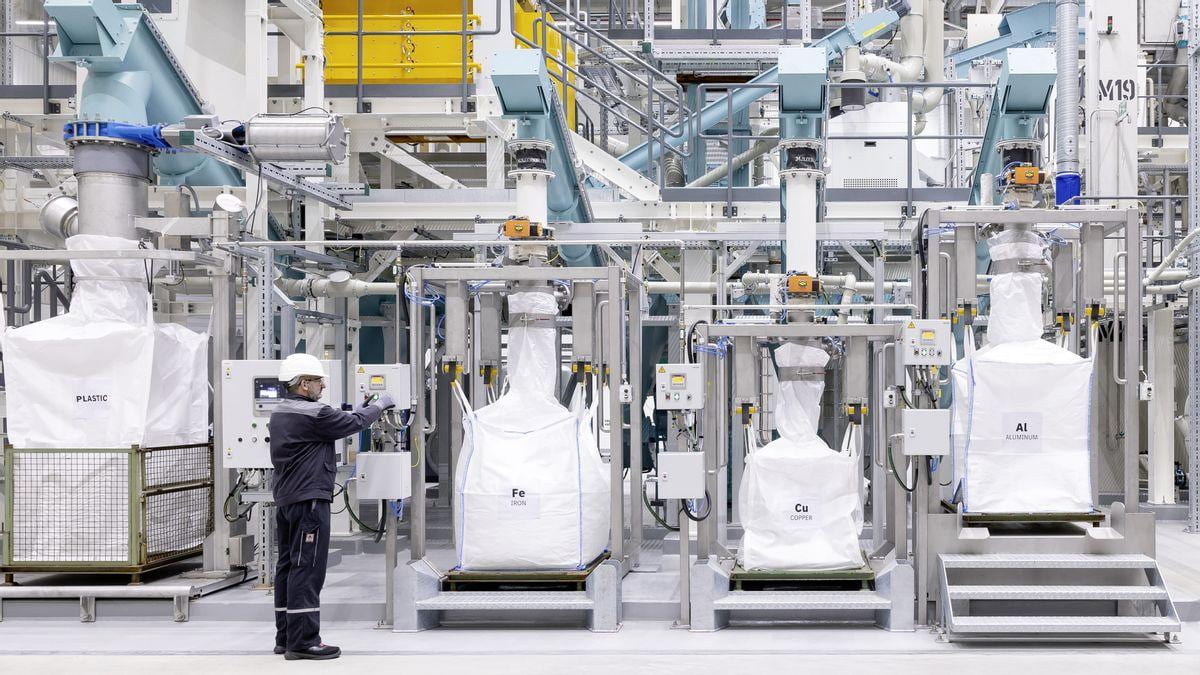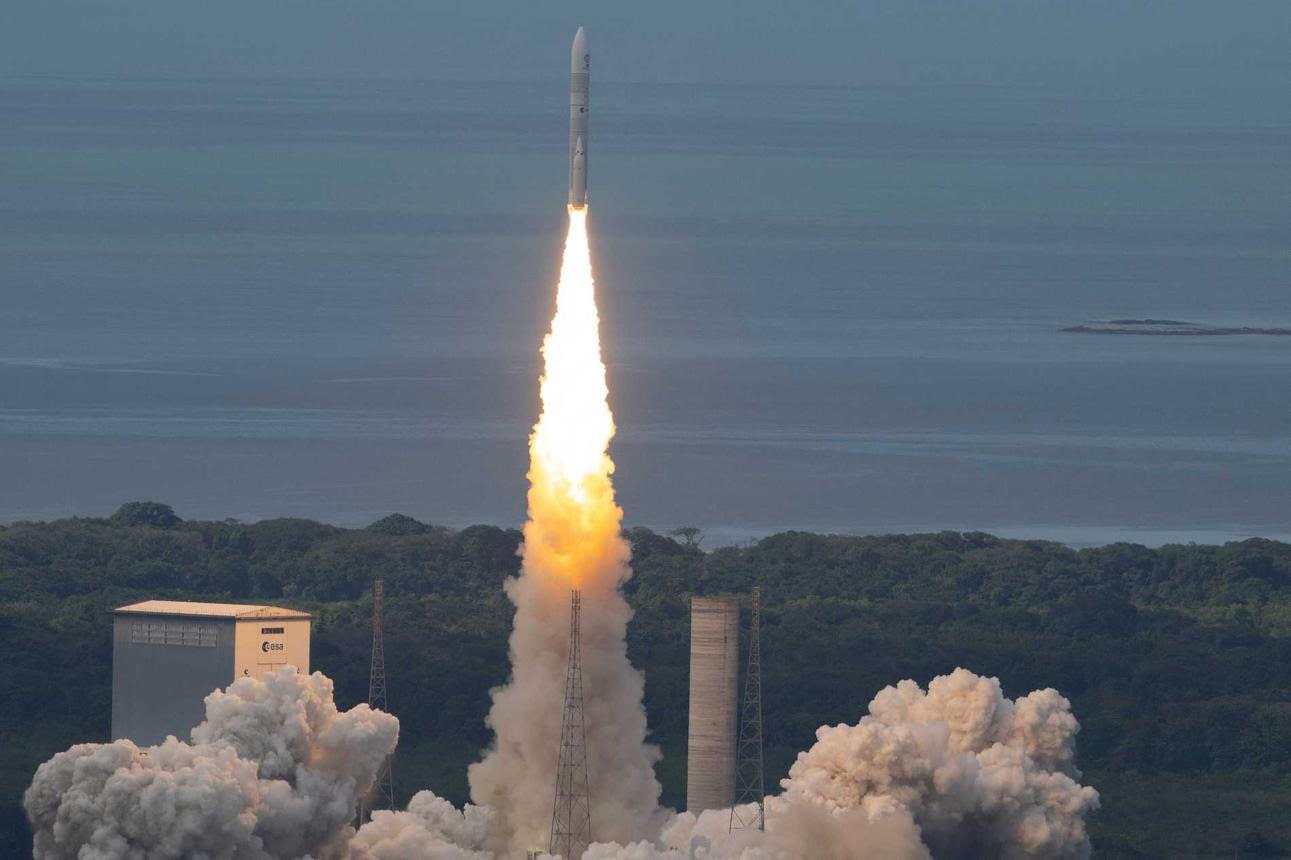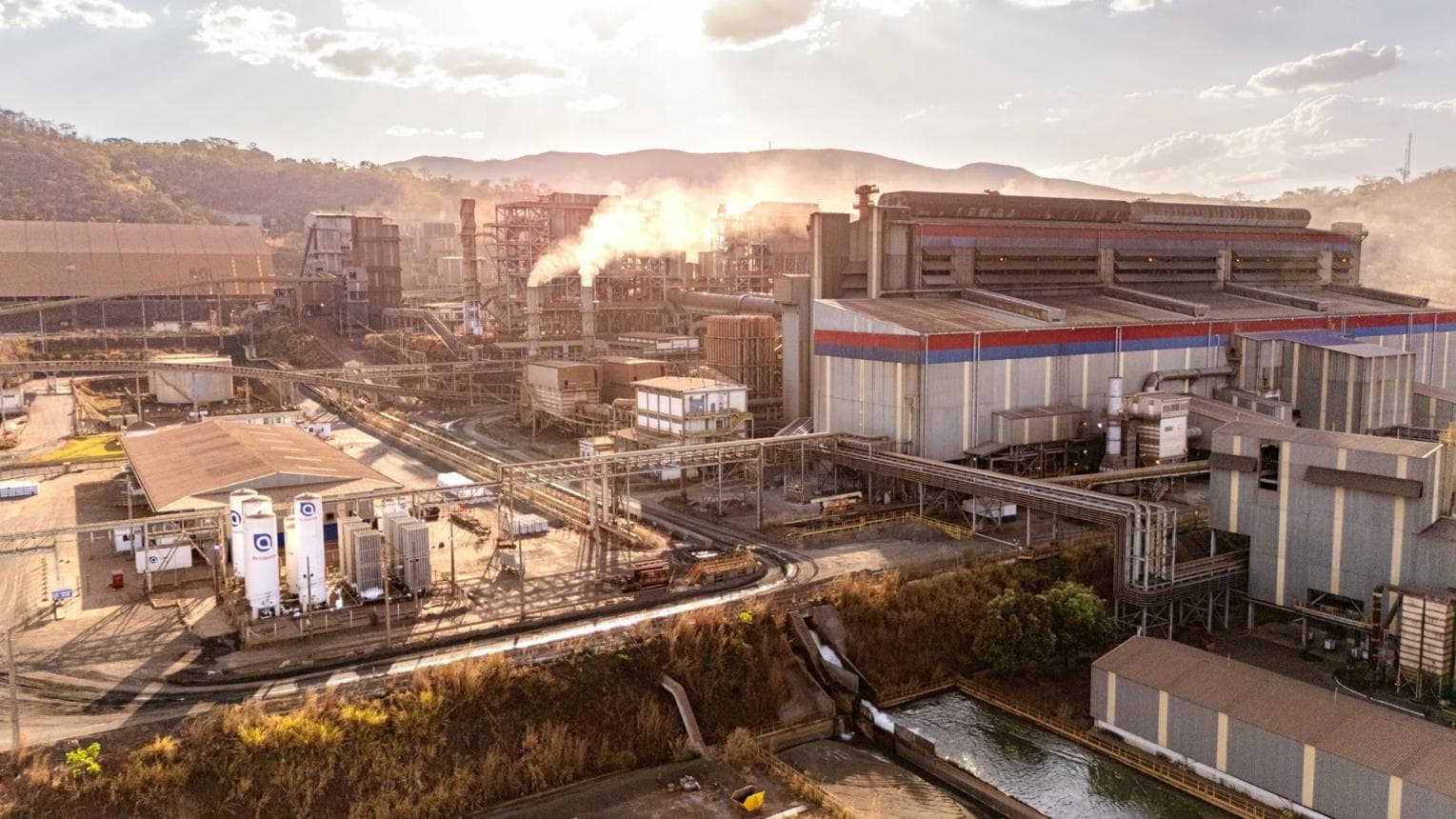
A new European Corporation on Critical Raw Materials was among the sharper announcements in this week’s State of the Union, and it arrives with a number attached. The EU depends on China for more than 80% of many critical raw materials and up to 90% of some rare earths. The corporation is meant to buy, secure and stockpile the inputs Europe’s clean tech, chip, battery and defence industries cannot source at home.
## What the Critical Raw Materials Corporation is for
The vehicle would consolidate purchasing and storage that currently happens at national level, unevenly, or not at all. Joint procurement gives European buyers scale against a supplier that sets both price and availability; stockpiling gives them time when export licences slow down.
That combination is deliberate. Export controls rarely cut supply to zero – they introduce delay, and delay is what breaks a magnet or battery production line. Inventory converts a supply shock into a scheduling problem.
## How it fits the Critical Raw Materials Act and RESourceEU
The Commission is not starting from nothing. The Critical Raw Materials Act already provides risk monitoring, support for strategic projects, import diversification and resource-efficiency incentives, and the RESourceEU initiative announced in late 2025 introduced joint purchasing and stockpiling of rare earths.
What has been missing is an entity with a balance sheet. Monitoring identifies exposure; strategic project status accelerates permits; neither writes a purchase order. A corporation, if it is capitalised, can.
### The questions the speech did not answer
– Who owns it – the Union, member states, or industry alongside both?
– What capital does it start with, and from which budget line?
– Which materials enter the reserve first, and at what target coverage?
– Does it buy on the open market, or contract directly with producers outside China?
## Why this lands inside a trade fight, not just an industrial policy
The announcement came in a passage on China in which the Commission president said not a single member state runs a trade surplus with Beijing and put the bloc’s deficit at 1 billion euro a day. She warned that “the second China shock is already here” and promised to use every available instrument to rebalance the relationship.
Trade Commissioner Maros Sefcovic is due in China next month. Announcing a stockpiling vehicle days beforehand is a negotiating posture as much as an industrial one: it signals that export leverage has a shelf life once Europe builds a buffer.
## Key takeaways
– Dependency figures – over 80% for many critical raw materials, around 90% for some rare earths – define the problem the corporation is meant to shrink.
– It complements rather than replaces the Critical Raw Materials Act and RESourceEU.
– No legal form, capital figure or start date was given.
– Its credibility depends on the next multiannual financial framework, where stockpiles compete with defence and cohesion.
## What happens next
Expect the detail in a Commission proposal rather than in the speech. The practical test is unglamorous: whether Europe buys physical tonnes and stores them somewhere, or produces another framework for coordinating national intentions. Only one of those survives a real export restriction.