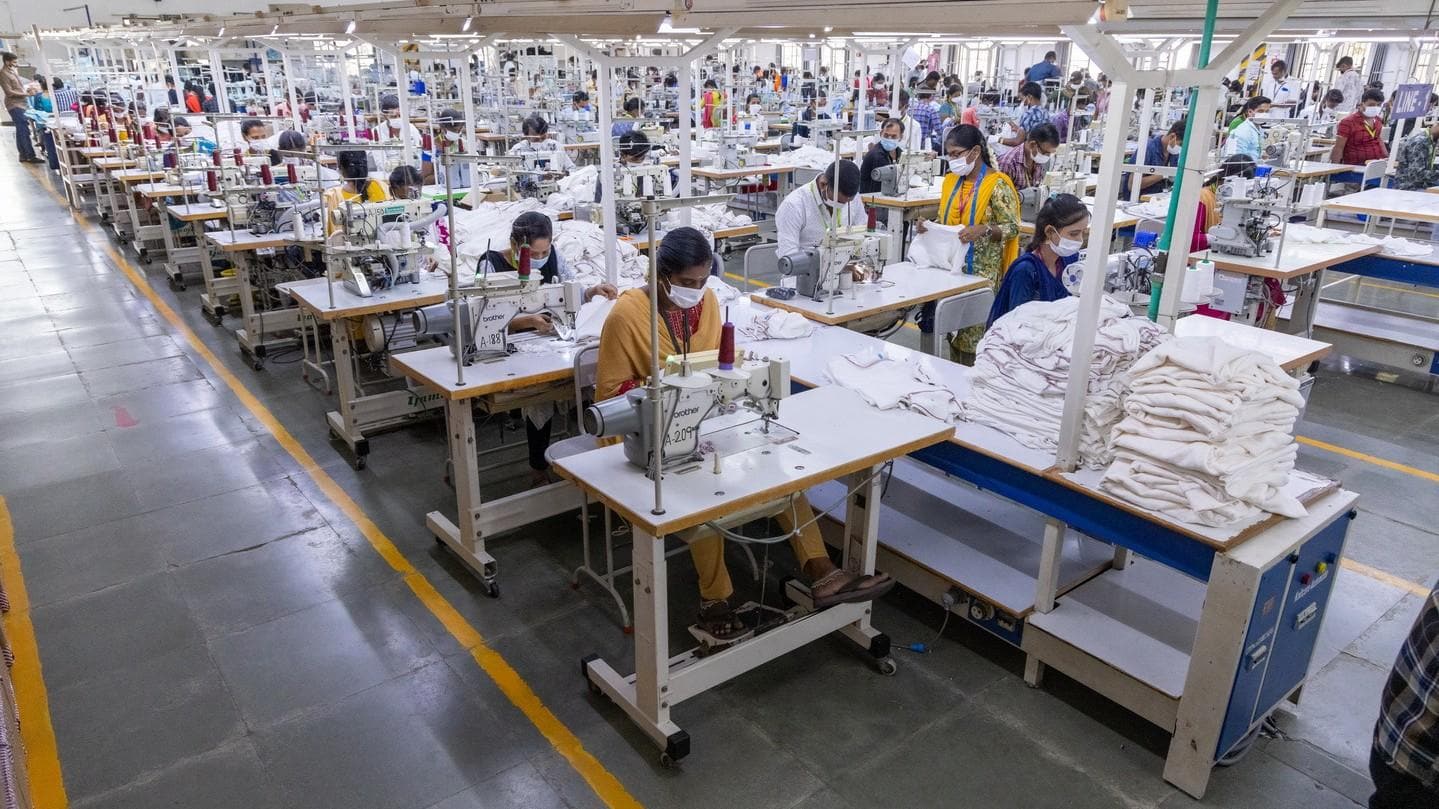
Tiruppur: The knitwear clusters of western Tamil Nadu have been quoting European buyers on the assumption of tariff relief since January, when negotiators closed the largest trade agreement either side has ever concluded. On 11 September the European Commission converted that assumption into a legal step, sending the Council its proposals for the signature and conclusion of the free trade agreement with India. The document is unglamorous. It is also the moment at which a negotiated text stops being the Commission’s property and becomes everyone else’s.
The headline commercial numbers are already familiar. Tariffs fall or disappear on 96 percent of European goods exports to India, worth roughly four billion euros a year in duties no longer paid. What the September proposal adds is the procedural map: Council authorisation to sign, then consent from the European Parliament, then conclusion, with India running its own domestic ratification in parallel. Entry into force requires both tracks to finish.
Each of those steps carries a different kind of risk, and they are worth separating. Council authorisation is the least likely to fail outright, because member states have had the negotiating mandate and the periodic reports throughout. It is, however, where the legal architecture of the package gets decided. Whether the agreement travels as a purely European instrument or is split so that investment protection sits in a mixed agreement requiring national ratification determines how many veto points exist between here and implementation. Trade deals that survived Brussels have died in regional assemblies before.
Parliamentary consent is the step where the substance reappears. The international trade committee will take evidence, and the questions will not be about tariff lines. They will be about the sustainability chapter, about whether the labour and environmental commitments are enforceable or merely declaratory, and about carbon border adjustment, which India has objected to consistently and which the agreement does not switch off. Parliament cannot amend the text. It can only consent or refuse. That makes the committee stage a negotiation about side declarations and monitoring arrangements rather than about the treaty itself, which is a weaker instrument than it looks but not a null one.
The Indian track deserves more European attention than it usually receives. New Delhi has historically been cautious about binding commitments in services, government procurement and data flows, and the ratification process gives domestic constituencies a second look at concessions that were made in a negotiating room. Agricultural and dairy interests, which shaped what could be offered in the first place, will be watching the implementing legislation closely.
There is a strategic argument running underneath all of this that has little to do with tariff schedules. The Union spent 2026 discovering how much of its industrial base depends on a single Asian supplier, and the answer, in critical raw materials and rare earths, was uncomfortable. India is not a substitute for that dependency in the short term. Its processing capacity for rare earths is small and its pharmaceutical sector relies on Chinese intermediates as heavily as Europe does. But the agreement creates a legal framework for supply-chain cooperation, investment screening dialogue and standards alignment that did not exist before, and frameworks are what get used when a crisis arrives.
The realistic timeline is longer than the political rhetoric suggests. Signature could plausibly happen within months if the Council moves briskly on the legal form. Parliamentary consent adds a further stretch, and Indian ratification is not synchronised with European calendars. Exporters in Tamil Nadu planning around a specific date should be planning around a range instead. What they can rely on is that the text is closed. What remains open is who has to say yes to it, and how many of them there are.