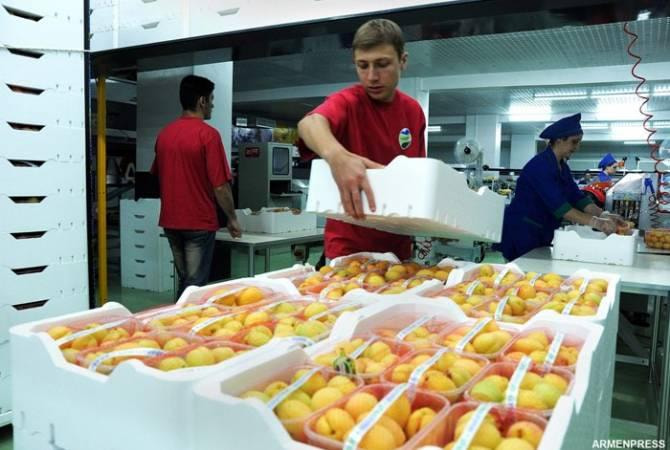
Armavir: The orchards on the plain west of Yerevan produced a crop this summer with nowhere familiar to send it. Russia, which took ninety-three per cent of Armenian fresh fruit exports last year, began closing its market in April with mineral water, extended the bans through May to flowers and alcohol, and by mid-June had added fruit, vegetables, berries and fish. Brussels answered on 2 September, when the Council backed temporary trade measures suspending duties on around eighty per cent of Armenian exports for two years.
The political symmetry is neat and the commercial arithmetic is not. Russia absorbs roughly thirty-five per cent of Armenian merchandise exports against a European share near eight. The products Moscow blocked are precisely the ones Europe protects most carefully, and the regulation reflects that. Agricultural lines arrive inside tariff-rate quotas rather than as open access, and the quotas are calibrated against European producer interests, not Armenian displacement. Apricots enter at a volume equivalent to about a sixth of what Armenia sold last year. Plums do worse. Peaches do somewhat better. For the growers of the Ararat valley, the measure replaces a fraction of a lost market, and the fraction is smallest exactly where the loss was largest.
Brandy illustrates the limit more sharply. Armenian distillers earned some 285 million dollars from Russia last year, the overwhelming majority of the industry’s global sales, and the European market they are invited to enter is the most crowded and most regulated spirits market in the world, with protected designations, entrenched distribution and consumers who have never been offered the product. Removing a duty does nothing about any of that. Tariffs were not the barrier to European sales of Armenian brandy; the absence of a customer was.
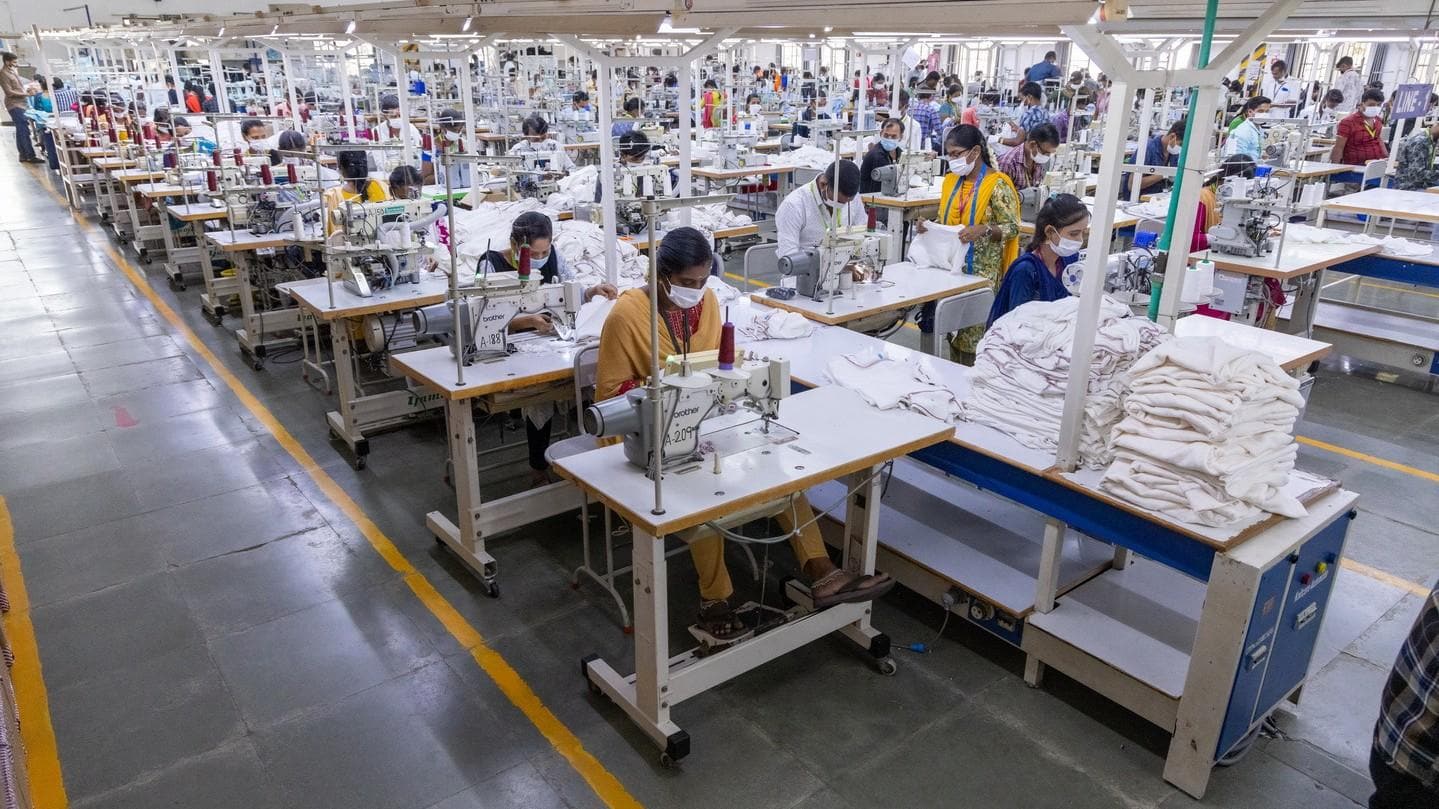
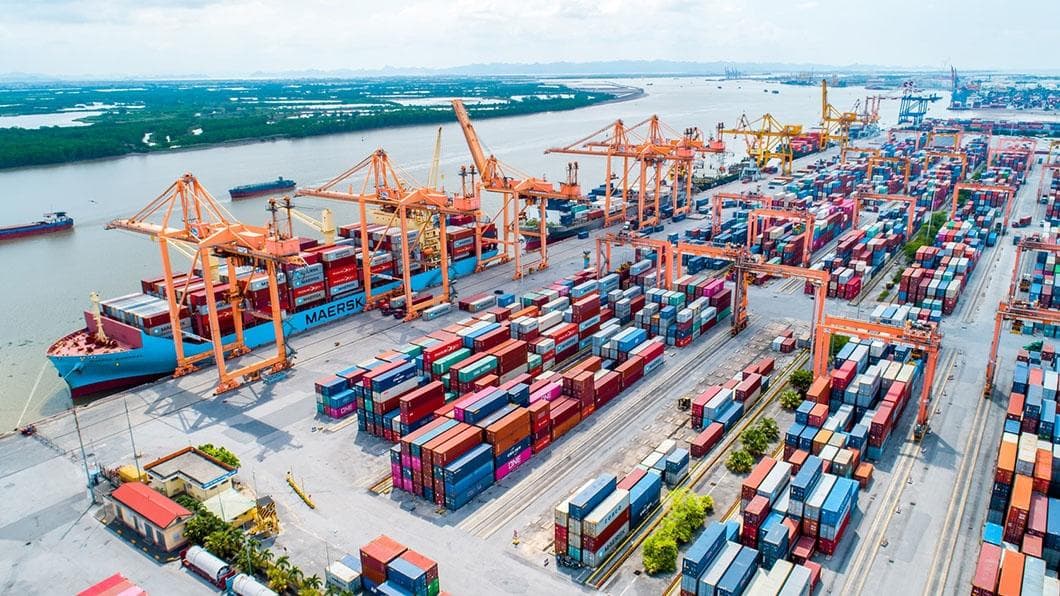
There is a logistical problem underneath the commercial one. Armenian produce travelled north by road, through a single mountain crossing, to buyers who required little in the way of documentation and accepted long-established grading habits. Selling into the European Union requires cold chain investment, residue testing, traceability records and, for fish and animal products, establishment-level listing by European authorities before a container may be loaded at all. None of that is achieved inside a two-year window, which is the window the regulation provides.
That mismatch between the duration of the instrument and the duration of the adjustment is the measure’s central weakness. Orchards are replanted on decade horizons and export relationships are built on repeat seasons. A trader deciding whether to install pre-cooling capacity has to assume the preference expires before the equipment is paid off, unless Brussels signals early that it will be rolled over or absorbed into something permanent. The autonomous trade preferences granted to Ukraine and to Moldova followed exactly that path, and both showed that safeguard clauses invoked by European farm lobbies can narrow a scheme faster than politics can widen it. The Armenian regulation carries the same safeguards and the same conditionality.
None of which makes the decision pointless. It is the first time the European Union has treated Armenian market access as an instrument of foreign policy rather than a technical annex to its partnership agreement, and it arrives alongside a visa liberalisation action plan handed over last November and a strategic agenda adopted in December. Together they describe a direction. What they do not yet describe is a market large enough to absorb what Moscow refused, and the gap between the two is where Armenian policy will be made over the next two years.