September 19, 2026
LATEST
Manila Must Open Public Contracts Before Europe Signs AnythingEurope’s KIDS Act Would Put Parents Back in Charge of AccountsArmenian Apricots Reach Europe Only Through Narrow Tariff QuotasMyanmar’s Crisis Outgrows the Aid Envelope Europe Built for ItJapan Joins Horizon Europe for the Price of a Rounding ErrorIndia’s Trade Deal Now Waits on the Council and Two ParliamentsBeijing Gets an October Date and a Very Short Deliverables ListJudges Strike Down Estonia’s Deposit for European CandidatesSolidarity Fund Pays for Storms Eight Months After the WaterFreight Tariffs Decide Whether the Middle Corridor Reaches ScaleFolding the Diplomatic Service Into the Commission Needs UnanimityCritical Raw Materials Corporation Tests EU StockpilingHeatwave Plan Tests Europe’s Climate Adaptation GapEuropean Security Council Faces a Missing Legal BaseNature Restoration Plans Arrive With a Year of Haggling AheadPlatform Work Rules Arrive in December With Most States UnreadyDominant Firms Face Europe’s First Rulebook on Exclusionary AbuseInnovation Act Reaches Council With EU Preference Still DisputedSecondary Raw Materials Await an Act That Has Not Been TabledRiyadh Gets a Summit Date Before the Gulf Trade Text Is WrittenManila Must Open Public Contracts Before Europe Signs AnythingEurope’s KIDS Act Would Put Parents Back in Charge of AccountsArmenian Apricots Reach Europe Only Through Narrow Tariff QuotasMyanmar’s Crisis Outgrows the Aid Envelope Europe Built for ItJapan Joins Horizon Europe for the Price of a Rounding ErrorIndia’s Trade Deal Now Waits on the Council and Two ParliamentsBeijing Gets an October Date and a Very Short Deliverables ListJudges Strike Down Estonia’s Deposit for European CandidatesSolidarity Fund Pays for Storms Eight Months After the WaterFreight Tariffs Decide Whether the Middle Corridor Reaches ScaleFolding the Diplomatic Service Into the Commission Needs UnanimityCritical Raw Materials Corporation Tests EU StockpilingHeatwave Plan Tests Europe’s Climate Adaptation GapEuropean Security Council Faces a Missing Legal BaseNature Restoration Plans Arrive With a Year of Haggling AheadPlatform Work Rules Arrive in December With Most States UnreadyDominant Firms Face Europe’s First Rulebook on Exclusionary AbuseInnovation Act Reaches Council With EU Preference Still DisputedSecondary Raw Materials Await an Act That Has Not Been TabledRiyadh Gets a Summit Date Before the Gulf Trade Text Is Written
September 19, 2026
LATEST
Manila Must Open Public Contracts Before Europe Signs AnythingEurope’s KIDS Act Would Put Parents Back in Charge of AccountsArmenian Apricots Reach Europe Only Through Narrow Tariff QuotasMyanmar’s Crisis Outgrows the Aid Envelope Europe Built for ItJapan Joins Horizon Europe for the Price of a Rounding ErrorIndia’s Trade Deal Now Waits on the Council and Two ParliamentsBeijing Gets an October Date and a Very Short Deliverables ListJudges Strike Down Estonia’s Deposit for European CandidatesSolidarity Fund Pays for Storms Eight Months After the WaterFreight Tariffs Decide Whether the Middle Corridor Reaches ScaleFolding the Diplomatic Service Into the Commission Needs UnanimityCritical Raw Materials Corporation Tests EU StockpilingHeatwave Plan Tests Europe’s Climate Adaptation GapEuropean Security Council Faces a Missing Legal BaseNature Restoration Plans Arrive With a Year of Haggling AheadPlatform Work Rules Arrive in December With Most States UnreadyDominant Firms Face Europe’s First Rulebook on Exclusionary AbuseInnovation Act Reaches Council With EU Preference Still DisputedSecondary Raw Materials Await an Act That Has Not Been TabledRiyadh Gets a Summit Date Before the Gulf Trade Text Is WrittenManila Must Open Public Contracts Before Europe Signs AnythingEurope’s KIDS Act Would Put Parents Back in Charge of AccountsArmenian Apricots Reach Europe Only Through Narrow Tariff QuotasMyanmar’s Crisis Outgrows the Aid Envelope Europe Built for ItJapan Joins Horizon Europe for the Price of a Rounding ErrorIndia’s Trade Deal Now Waits on the Council and Two ParliamentsBeijing Gets an October Date and a Very Short Deliverables ListJudges Strike Down Estonia’s Deposit for European CandidatesSolidarity Fund Pays for Storms Eight Months After the WaterFreight Tariffs Decide Whether the Middle Corridor Reaches ScaleFolding the Diplomatic Service Into the Commission Needs UnanimityCritical Raw Materials Corporation Tests EU StockpilingHeatwave Plan Tests Europe’s Climate Adaptation GapEuropean Security Council Faces a Missing Legal BaseNature Restoration Plans Arrive With a Year of Haggling AheadPlatform Work Rules Arrive in December With Most States UnreadyDominant Firms Face Europe’s First Rulebook on Exclusionary AbuseInnovation Act Reaches Council With EU Preference Still DisputedSecondary Raw Materials Await an Act That Has Not Been TabledRiyadh Gets a Summit Date Before the Gulf Trade Text Is Written

Judges Strike Down Estonia’s Deposit for European Candidates

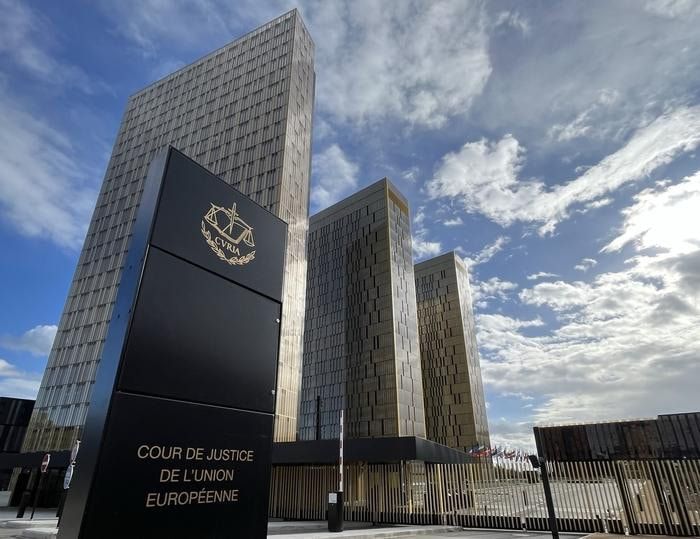
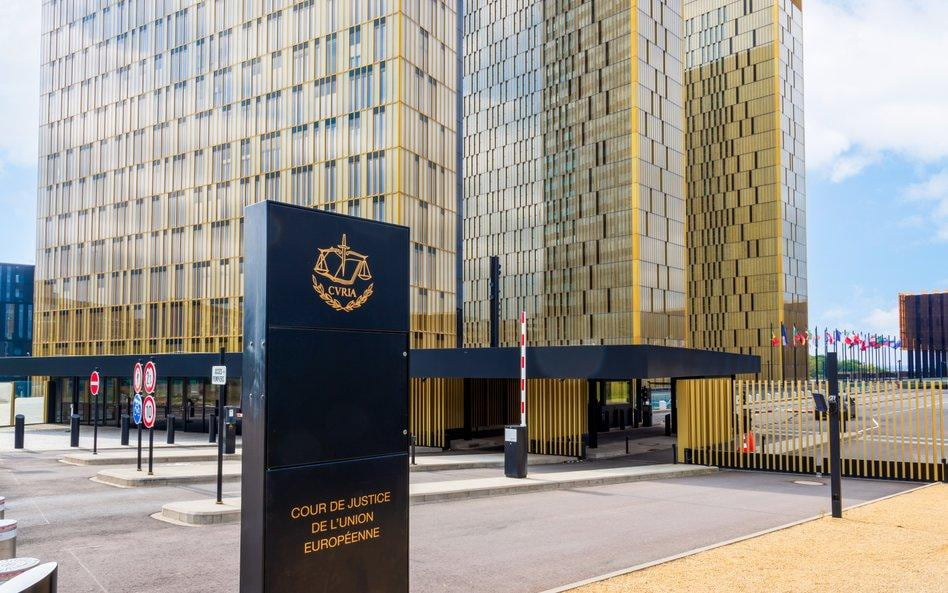
Seven candidates were struck from an Estonian list in 2024 because a small party could not find the money. The Court of Justice ruled on Thursday that the rule which removed them was incompatible with European Union law, and in doing so it set a proportionality standard that every member state running European elections will now have to measure its own rules against.

The facts are modest. Erakond Eestimaa Rohelised, the Estonian Green Party, submitted nine candidates for the June 2024 European Parliament election. The national electoral commission registered two and refused the other seven, because Estonian law required a deposit for each name on the list and the party had not paid for them. In 2024 that deposit stood at 4,100 euros per candidate, pegged to the national minimum wage. A full Estonian list would therefore have cost tens of thousands of euros to register. The party went to the Estonian Supreme Court, which referred the question to Luxembourg as Case C-438/24.

The Court did not abolish election deposits, and that distinction matters. It accepted the objective Estonia advanced: deterring frivolous or fanciful candidacies and keeping ballot papers manageable is a legitimate aim, and member states retain wide latitude over how European elections are organised on their territory, since the 1976 Electoral Act leaves most procedural questions to national law. The finding was narrower and sharper. Measured against the principle of proportionality, the combination of the sum demanded and the conditions for getting it back went beyond what was necessary to achieve that aim.

The refund condition is what tips the balance. Estonia returned the deposit only if a candidate’s list obtained at least five per cent of the nationwide vote. For an established party, the deposit is a temporary cash-flow matter. For a new movement, a small party, or an independent, it is a payment with no realistic prospect of recovery, which converts a deterrent into a price of admission. The Court’s reasoning follows that logic: a measure that in practice excludes candidates of limited means, and with them the political movements those candidates represent, restricts pluralism rather than protecting the ballot from it.

The wider significance lies in the method. European electoral practice is deliberately decentralised, and comparisons across member states have long been awkward because each national system is defended as a sovereign choice. What the judgment supplies is a test that travels: state the objective, then ask whether the financial burden and the recovery mechanism, taken together, exceed what that objective requires. Deposits exist in several member states, and signature thresholds perform a similar filtering function elsewhere. None of them is condemned by this ruling. All of them are now assessable by the same yardstick.

Estonia will have to revise its provision before the next European election, either by lowering the sum, loosening the reimbursement threshold, or both. The more interesting reaction will come from capitals that were not party to the case and must now decide whether their own arrangements would survive the same analysis. Few electoral ministries enjoy discovering that a rule drafted to keep ballots tidy has become a constitutional question.

There is also a point about who brought the case. A party that won no seats, in the smallest electorate returning members to the European Parliament, has produced a precedent that binds twenty-seven systems. That is an unglamorous demonstration of how the preliminary reference procedure actually functions, and a reminder that the cost of standing for office is not a purely administrative matter.