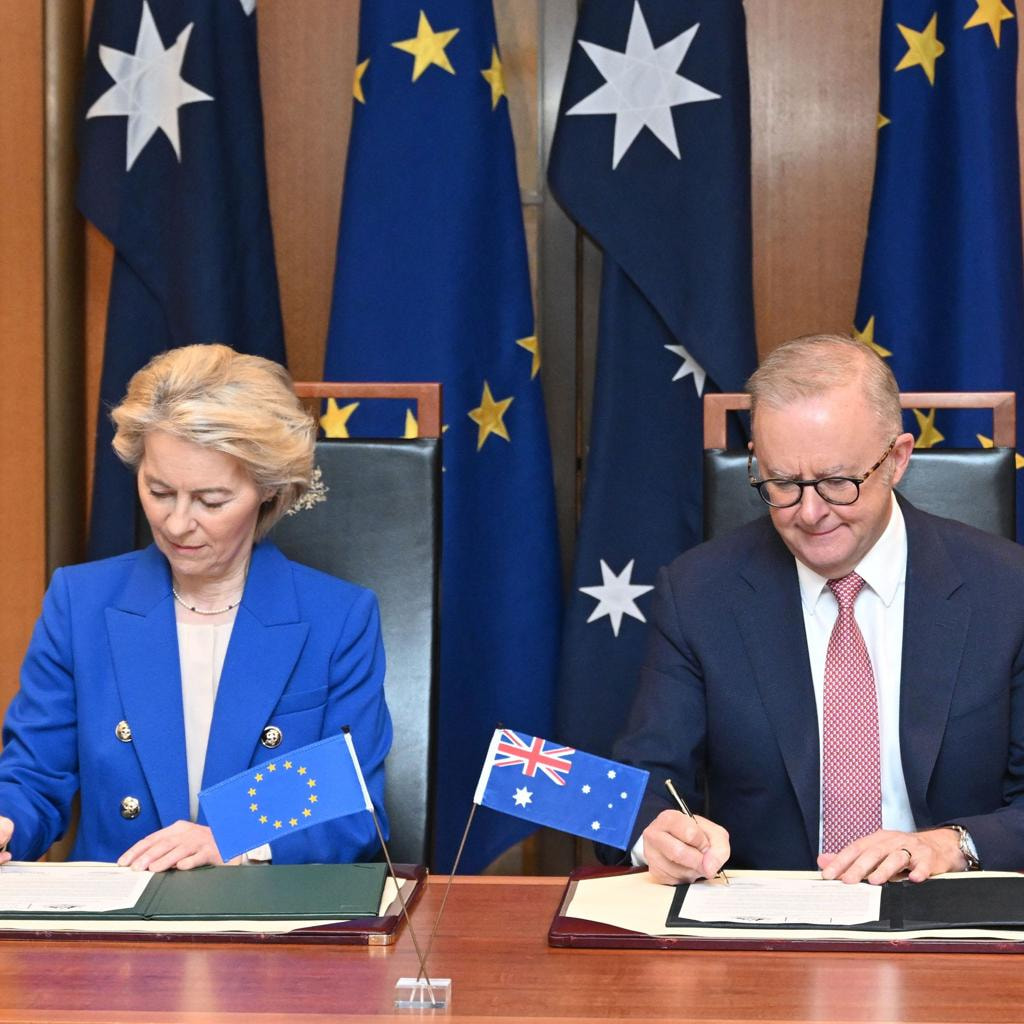
Kuala Lumpur: After lying dormant for more than a decade, the European Union’s trade negotiation with Malaysia has roared back to life with unusual speed. Talks first launched in 2010 and shelved in 2012 were formally revived in January 2025; by February 2026 negotiators had completed a third round in Brussels, and a fourth is scheduled to be hosted in Malaysia this June. The Commission has signalled that it expects the agreement to be finalised within the year, an ambitious timetable for a file that spent twelve years in a drawer.
The renewed urgency reflects a calculation on both sides. For Kuala Lumpur, a deal with the world’s largest single market offers a hedge against an international trading system that has grown more coercive and less predictable. For Brussels, Malaysia is a strategically located, fast-growing economy and a gateway to Southeast Asia at a moment when the Union is determined to diversify away from concentrated dependence on any single Asian partner. An agreement would also revive the Union’s stalled ambition of a region-to-region pact with ASEAN, now pursued one country at a time after the bloc-to-bloc approach faltered.
What makes the new negotiation different from its predecessor is scope. The Commission describes the prospective agreement as more comprehensive than the original, with dedicated chapters on digital trade and green commerce alongside the conventional questions of tariffs and market access. That ambition is also where the friction lies. Malaysia, a major palm-oil exporter, has bristled at European sustainability rules, particularly the deforestation regulation that exporters here regard as a thinly disguised trade barrier. Squaring Europe’s environmental conditionality with Malaysia’s development priorities will test whether the digital-and-green model of trade can survive contact with a determined emerging economy.
The politics on both ends are delicate. Malaysian negotiators must defend domestic industries and the principle that environmental standards should not be written in Brussels and imposed on Borneo. European negotiators, in turn, answer to a Parliament that has made sustainability chapters a condition of ratification and will scrutinise any text that appears to dilute them. The lesson of other recent deals is that the bargain struck at the table is only the first hurdle; ratification can be slower and more treacherous than negotiation itself.
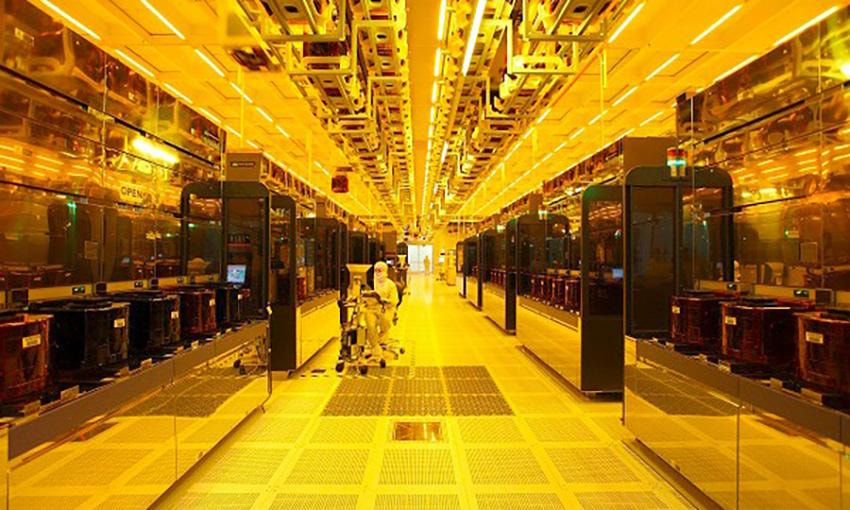
Yet the incentives to succeed are real and growing. Supply-chain security has become a governing obsession in European capitals, and Southeast Asia sits at the centre of the semiconductor, rare-earth and clean-technology networks that the Union is anxious to diversify. Malaysia, with its established electronics sector and ambitions in chip assembly, fits that strategic map neatly. A deal would give European firms preferential access to one of the region’s most capable manufacturing bases, and give Malaysian exporters a more stable foothold in a vast and wealthy market.
Whether the optimistic timeline holds will say much about how serious both partners are. Trade agreements have a way of slipping their deadlines, and the hardest chapters, sustainability, public procurement and dispute settlement, are usually left for last. But the contrast with the lost decade is stark. A negotiation that once seemed abandoned now carries the momentum of two partners who have concluded, for converging reasons, that the cost of not dealing has finally outgrown the cost of compromise.