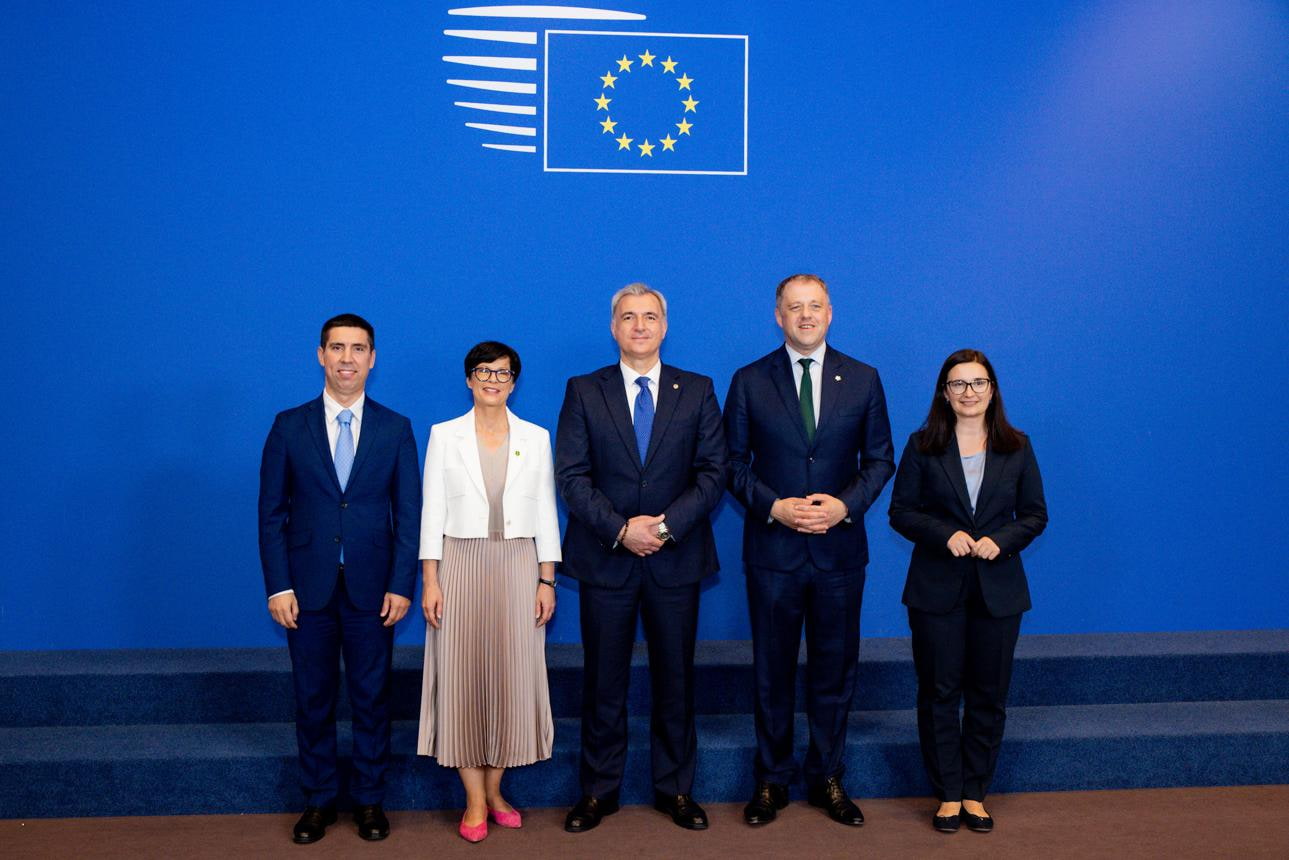
Yerevan: Armenia visa liberalisation is now an active file in Brussels, after the European Commission published its first progress report on the country’s visa liberalisation action plan on 22 May 2026. The report went to the European Parliament and the Council, and it marks the point at which the process moves from a political promise to a technical examination. For Yerevan, it is the clearest measure yet of how close its citizens are to short-stay travel without visas.
The process follows a familiar pattern. The Union draws up an action plan with benchmarks, the partner country carries out reforms, and the Commission reports on progress before proposing any change to the visa rules. Benchmarks usually cover document security, including biometric passports, integrated border management, migration and asylum policy, public order and security, and fundamental rights. Armenia visa liberalisation will depend on how well the country meets each block.
The published summary does not set out the detailed findings, and readers should consult the full report for the assessment of individual benchmarks. What the document does show is that the Commission treats the process as a formal, monitored one, with regular reporting to both legislators. That structure gives Armenia a defined path and gives member states a way to check progress before they agree to any change.
The political stakes go beyond travel. Armenia has deepened its relations with the European Union in recent years, and visa-free access would be a visible benefit for ordinary citizens, students and businesses. It would also strengthen the case that closer alignment with European standards brings practical rewards, a point that matters in a region where Russia and other powers compete for influence.
Member states will look at the security dimension of Armenia visa liberalisation closely. Border management and cooperation on returns are central to every visa decision, and capitals that are cautious on migration will press for strong safeguards. A suspension mechanism, which lets the Union reintroduce visas if conditions worsen, has become a standard part of such arrangements, and it will shape the debate over Armenia visa liberalisation.
Georgia, Ukraine and Moldova show how long the path can be. Their experiences suggest that technical progress is necessary but not always enough, because the final decision is political and requires agreement among governments and Parliament. Armenia can expect scrutiny of its justice reforms, its anti-corruption record and its handling of data protection.
The coming months will show how quickly Yerevan can close any remaining gaps and how the Commission frames its next report. If the benchmarks are met, the Union could propose a legislative change that gives Armenian citizens visa-free short stays. Until then, Armenia visa liberalisation remains a reform programme with a clear goal, and its success will depend on steady delivery rather than on speeches.