Caracas: Venezuela EU relations have entered a cautious new phase in 2026, shaped by the United States operation of 3 January that led to the capture of Nicolás Maduro. Brussels responded with a call for calm and restraint and declined to recognise any interim government. That position kept the Union out of the immediate scramble, but it also left Europe to work out what influence it can still exert in Caracas.
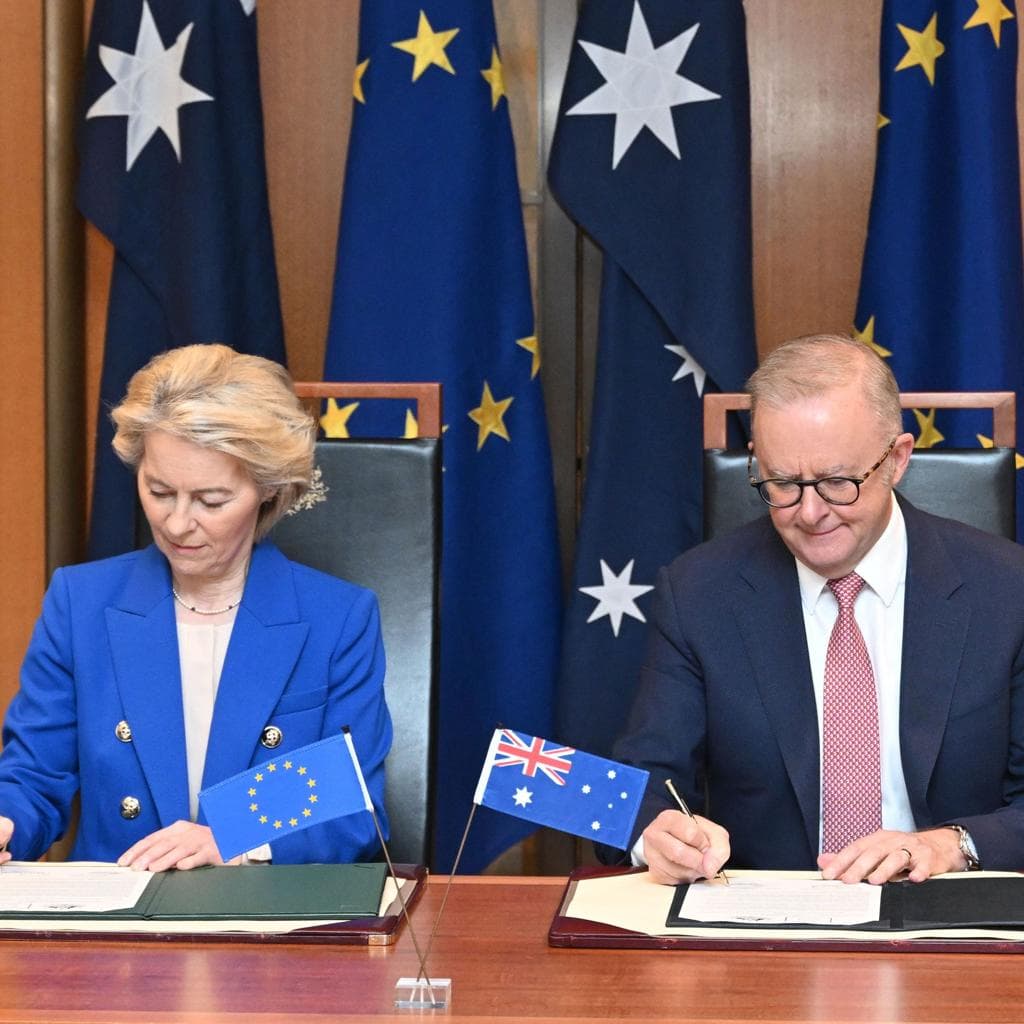
The most visible sign of change came on 17 April 2026, when parliamentary talks in Caracas produced what both sides called a new cooperation agenda. Venezuela was at the same time resuming ties with the International Monetary Fund and the World Bank, which suggests a broader effort to re-enter the international financial system. Details of the roadmap have not been published in full, so its practical content remains unclear.
Energy shapes much of the interest in Venezuela EU relations. Bilateral trade stood at roughly €2.74 billion in the 2024 to 2025 period, and oil and petroleum products account for about 70 percent of EU imports from the country. European companies such as Repsol and Eni hold energy assets there, and protecting them has been a stated priority. With gas storage under pressure across Europe, any additional crude supply attracts attention in the capitals.
Analysts nevertheless urge caution on Venezuela EU relations. Repairing Venezuela’s oil infrastructure is expected to need more than $100 billion over a decade, so a quick supply boost looks unlikely. The strategic value of Venezuela EU relations therefore lies less in barrels this winter than in positioning for a later recovery, when contracts, investment rules and sanctions policy will be settled.
Sanctions are the Union’s main lever. The EU applies targeted restrictions to 69 individuals instead of broad sectoral measures, a choice that has created friction with Washington’s tougher line. Brussels can ease or tighten these listings according to political progress, and it can tie any change to benchmarks on elections, prisoners and the rule of law. That conditionality is the point where European diplomacy can still set itself apart.
Humanitarian support remains the other pillar. The EU provided €541.5 million in aid between 2016 and 2025, with a further €21.5 million released in November 2025 for food security, health care and protection of displaced people. Millions of Venezuelans have left the country, and the aid helps neighbouring states that host them. Any political thaw will not remove the need for that assistance.
Foreign direct investment tells a sobering story as well. EU investment in Venezuela fell to €8.2 billion from €21.4 billion in 2013, which shows how much confidence has drained away. Rebuilding that trust will require legal certainty for investors and a credible political settlement, and Brussels is unlikely to move far ahead of either.
The next year will test whether Venezuela EU relations can move from a symbolic roadmap to concrete steps. If Caracas shows real progress on political freedoms, the Union has room to widen cooperation and secure a role in energy. If it does not, Europe’s cautious approach may leave it watching from the sidelines while others set the terms.