Tripoli: Libya energy cooperation with the European Union is moving from rhetoric toward a working calendar, after Acting Foreign Minister Taher Al-Baour met Energy Commissioner Dan Jørgensen on the sidelines of the Schuman Forum in Brussels this week. The two sides agreed to coordinate a visit by a joint technical delegation and to prepare a third bilateral energy meeting, due in Tripoli in January.
The meeting, reported on 18 November, focused on renewable power, clean energy infrastructure and the exchange of expertise and technology. Al-Baour pressed Libya’s claim to a strategic role in the region’s energy future. For Brussels, the conversation lands as the bloc is still redrawing its supply map after cutting most Russian pipeline gas.
Libya already matters to European energy security. The country holds Africa’s largest proven crude reserves, and the Greenstream pipeline links its western coast to Sicily. Yet output has repeatedly fallen hostage to rivalry between the Government of National Unity in Tripoli and competing authorities in the east, which leaves European buyers wary of long-term bets on Libya energy cooperation.
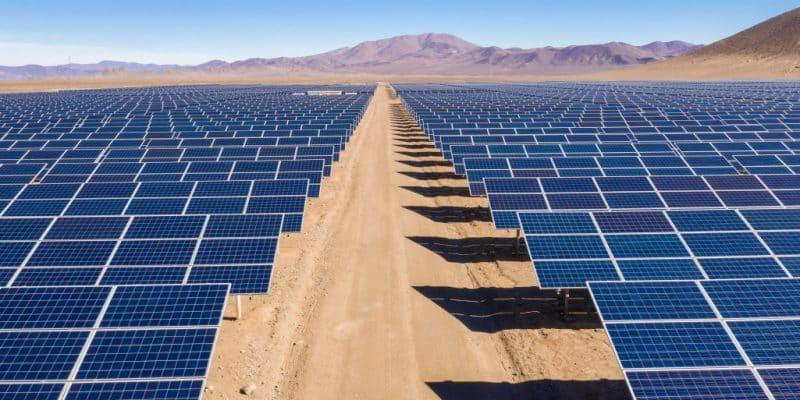
That is why the renewable angle deserves attention. A sun-rich country with a long Mediterranean coastline could, in principle, send clean electricity or green hydrogen northward, much as Morocco and Egypt are courting European partners. Libya energy cooperation framed around renewables also lets Brussels engage without deepening reliance on the hydrocarbons it has pledged to phase down under the European Green Deal.
Regional diplomacy is moving at the same time. On 19 November, Prime Minister Abdul Hamid Dbeibah and Egyptian President Abdel Fattah el-Sisi signed memoranda in Cairo covering natural gas infrastructure, petroleum refining and natural resources. Neighbours are positioning themselves early, and the European Union risks arriving late if its offer remains a series of courtesy meetings.
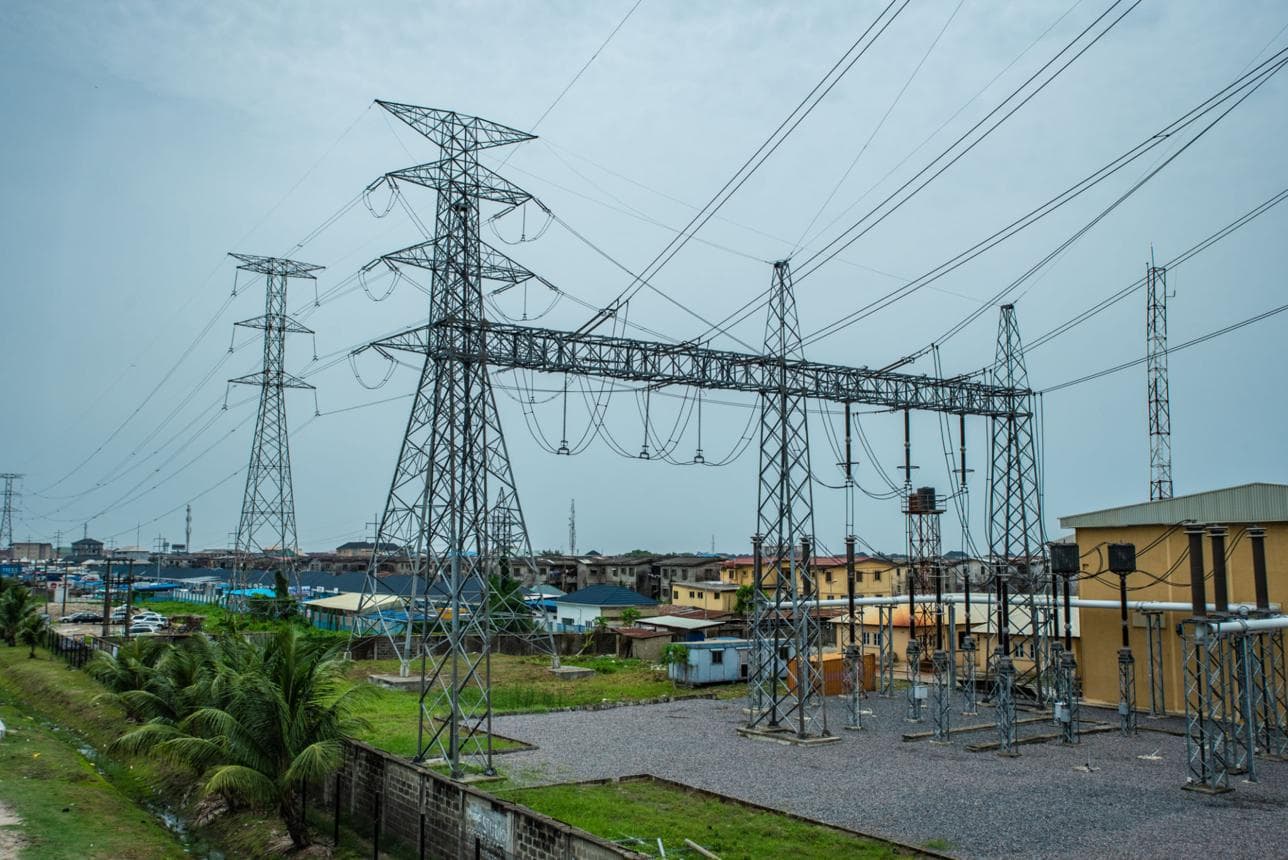
The hard questions are institutional rather than technical. Any serious Libya energy cooperation will need predictable contracts, transparent revenue management and security for grid assets in a country that still lacks a unified government. The EU’s Global Gateway strategy offers financing tools, but investors will want proof that deals signed in Tripoli can survive the next political crisis.
There is also a migration subtext that the published readout left aside. European capitals have long treated Libya mainly as a departure point for irregular crossings to Italy and Malta. Energy projects that create local jobs would give the relationship a broader base and reduce the temptation to read every Libyan file through a border lens.
Brussels should therefore use the January meeting to set measurable goals. A shared list of pilot solar projects, a study on grid links across the central Mediterranean and technical support for Libya’s electricity sector would turn Libya energy cooperation from intention into milestones. Clear benchmarks would also reassure member states that remain cautious about political risk.
If the technical delegation and the Tripoli meeting deliver concrete projects, Libya energy cooperation could become one of the more useful tests of the EU’s southern neighbourhood policy in 2026 and beyond. If they do not, the Schuman Forum encounter will join a long list of promising Mediterranean conversations that faded before anything was built.