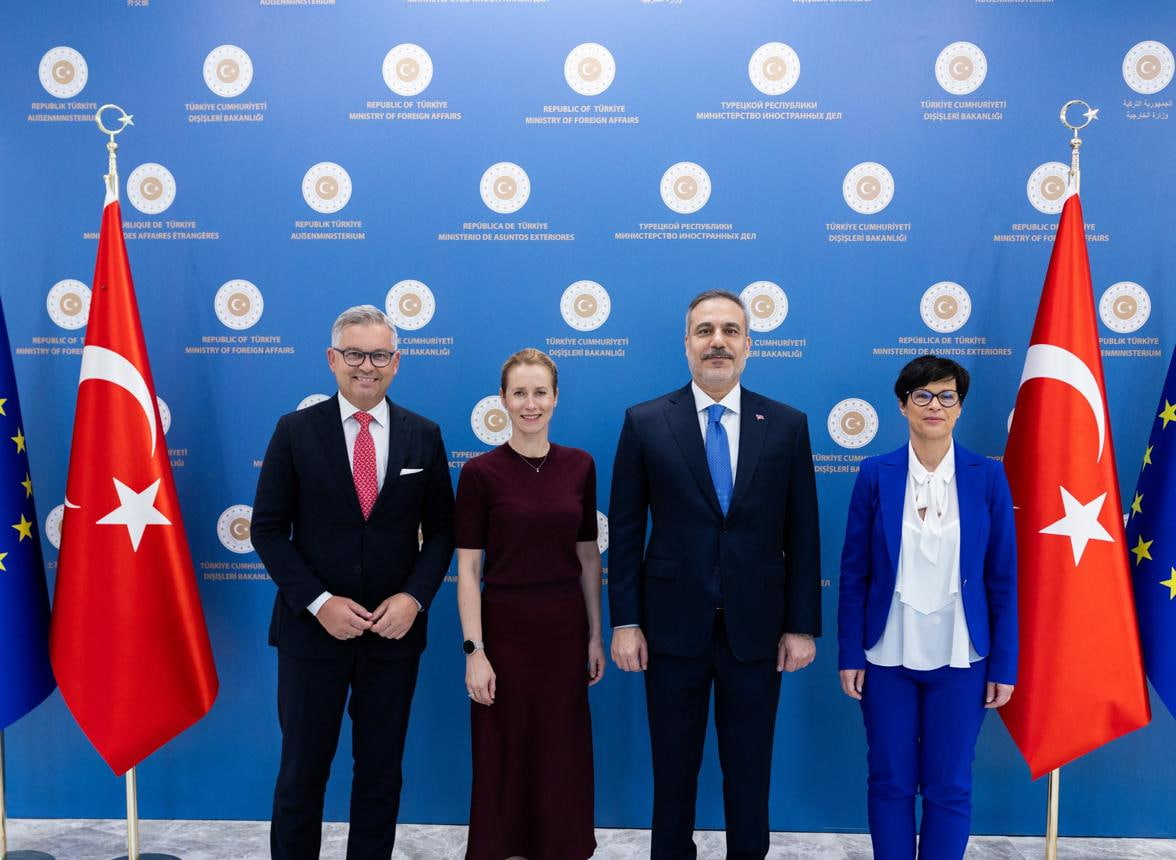
Tashkent: The Trans-Caspian corridor moved from conference slide to funded project when Commissioners Jozef Síkela and Marta Kos led a high-level EU mission to Central Asia in November 2025. Their programme centred on infrastructure, sustainable logistics and critical raw material supply chains. The mission included the third EU-Central Asia Economic Forum and a dedicated investment forum on the Trans-Caspian corridor in Tashkent on 27 November.
The route matters because it bypasses Russian territory. Goods travel by rail and road across Central Asia, cross the Caspian Sea by ship, and continue through the South Caucasus toward Europe. The Commission expects the Trans-Caspian corridor to cut cargo delivery times between the two regions to 15 days, a figure that, if met, would make it competitive for time-sensitive freight.
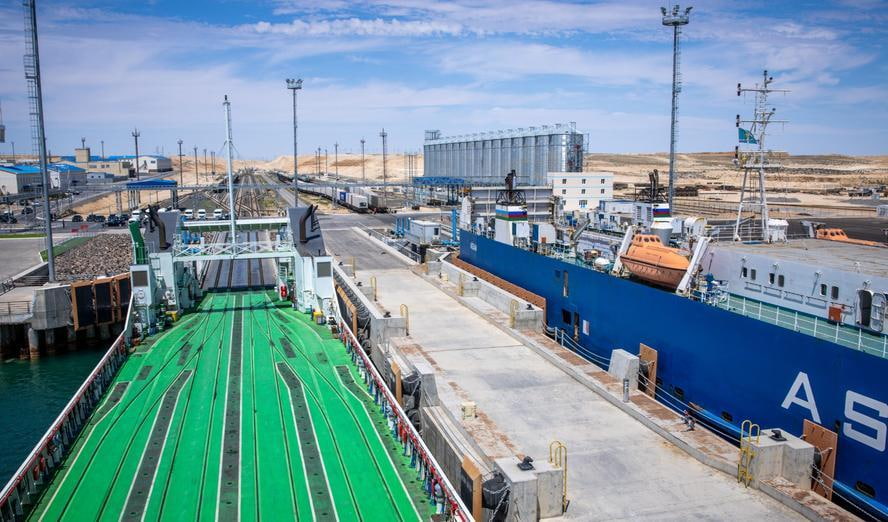
Money followed the announcements. Team Europe, the group of EU institutions, member states and development banks, unveiled new investments in Kazakhstan, Kyrgyzstan and Uzbekistan covering ports, roads and logistics hubs. The EU also set aside €15 million to simplify trade procedures and digitise customs along the Trans-Caspian corridor.
The sum is modest next to the need. Hard infrastructure on the Caspian, from port capacity to rolling stock, requires far more capital than €15 million, so the signal lies in sequencing: soft measures first, then larger loans. Síkela said the partnership has moved from potential to implementation, a claim that now needs measurable milestones.
Bottlenecks will test that claim. Shipping across the Caspian depends on limited vessel capacity, and rail gauges and customs rules change at borders. Digital customs can shorten waits, but ports and ferries set the real ceiling on volume, and no source reviewed gives capacity targets. Insurers, shipping lines and railway operators will also need common timetables before large shippers commit cargo to the route.
Critical raw materials add strategic weight. Brussels wants diversified supplies of minerals for batteries, chips and defence, and Central Asia holds deposits that Europe has barely tapped. Linking mining projects to the Trans-Caspian corridor would give investors a route to market, while giving Central Asian governments an alternative to dependence on a single neighbour.
The next steps are practical. The Commission should publish a project pipeline with dates and costs, and partner governments should report on customs reforms every year. If those steps arrive, the Trans-Caspian corridor could become a durable link in Europe’s Global Gateway strategy; if they do not, it will remain an ambitious line on a map.