August 10, 2026
LATEST
Europe’s Air Quality Improves but WHO Limits LoomTwelve New EU Medicines Win a Green Light from EMAFIFA Agent Rules Must Answer to Europe’s CourtsTachograph Rules Now Reach Vans Crossing Europe’s BordersNature Restoration Plans Come Due as a Hard Deadline NearsBrussels Opens a State Aid Probe Into Spain’s Renewables PayoutBrussels Extends Its Tariff Suspension on US Goods IndefinitelyFarmers Win Stronger Contract Rights Across the EU Supply ChainEurope Finally Locks In Its 348-Satellite Answer to StarlinkPlatform Work Rules Face a National Scramble Before DecemberDuty-Free Parcels Reach the End of the Line for EU ShoppersAfter Nine Years, Europe and Australia Seal a Trade PactBeijing Answers Europe’s Russia Sanctions in KindOne Year On, the EU-Japan Alliance Faces Its First TestEurope’s Chip Ambitions Still Run Through Taiwan’s FabsWhy South Korea Bet Its Research Future on Europe’s ProgrammeEurope and Japan Deepen Their Economic Alliance as Rivals CircleFive Joint Defence Projects Launch Europe’s Military ShieldElectrification Plan Aims to Make Europe First Electro ContinentHorizon Europe Budget Fight Heats Up as Ministers Push BackEurope’s Air Quality Improves but WHO Limits LoomTwelve New EU Medicines Win a Green Light from EMAFIFA Agent Rules Must Answer to Europe’s CourtsTachograph Rules Now Reach Vans Crossing Europe’s BordersNature Restoration Plans Come Due as a Hard Deadline NearsBrussels Opens a State Aid Probe Into Spain’s Renewables PayoutBrussels Extends Its Tariff Suspension on US Goods IndefinitelyFarmers Win Stronger Contract Rights Across the EU Supply ChainEurope Finally Locks In Its 348-Satellite Answer to StarlinkPlatform Work Rules Face a National Scramble Before DecemberDuty-Free Parcels Reach the End of the Line for EU ShoppersAfter Nine Years, Europe and Australia Seal a Trade PactBeijing Answers Europe’s Russia Sanctions in KindOne Year On, the EU-Japan Alliance Faces Its First TestEurope’s Chip Ambitions Still Run Through Taiwan’s FabsWhy South Korea Bet Its Research Future on Europe’s ProgrammeEurope and Japan Deepen Their Economic Alliance as Rivals CircleFive Joint Defence Projects Launch Europe’s Military ShieldElectrification Plan Aims to Make Europe First Electro ContinentHorizon Europe Budget Fight Heats Up as Ministers Push Back
August 10, 2026
LATEST
Europe’s Air Quality Improves but WHO Limits LoomTwelve New EU Medicines Win a Green Light from EMAFIFA Agent Rules Must Answer to Europe’s CourtsTachograph Rules Now Reach Vans Crossing Europe’s BordersNature Restoration Plans Come Due as a Hard Deadline NearsBrussels Opens a State Aid Probe Into Spain’s Renewables PayoutBrussels Extends Its Tariff Suspension on US Goods IndefinitelyFarmers Win Stronger Contract Rights Across the EU Supply ChainEurope Finally Locks In Its 348-Satellite Answer to StarlinkPlatform Work Rules Face a National Scramble Before DecemberDuty-Free Parcels Reach the End of the Line for EU ShoppersAfter Nine Years, Europe and Australia Seal a Trade PactBeijing Answers Europe’s Russia Sanctions in KindOne Year On, the EU-Japan Alliance Faces Its First TestEurope’s Chip Ambitions Still Run Through Taiwan’s FabsWhy South Korea Bet Its Research Future on Europe’s ProgrammeEurope and Japan Deepen Their Economic Alliance as Rivals CircleFive Joint Defence Projects Launch Europe’s Military ShieldElectrification Plan Aims to Make Europe First Electro ContinentHorizon Europe Budget Fight Heats Up as Ministers Push BackEurope’s Air Quality Improves but WHO Limits LoomTwelve New EU Medicines Win a Green Light from EMAFIFA Agent Rules Must Answer to Europe’s CourtsTachograph Rules Now Reach Vans Crossing Europe’s BordersNature Restoration Plans Come Due as a Hard Deadline NearsBrussels Opens a State Aid Probe Into Spain’s Renewables PayoutBrussels Extends Its Tariff Suspension on US Goods IndefinitelyFarmers Win Stronger Contract Rights Across the EU Supply ChainEurope Finally Locks In Its 348-Satellite Answer to StarlinkPlatform Work Rules Face a National Scramble Before DecemberDuty-Free Parcels Reach the End of the Line for EU ShoppersAfter Nine Years, Europe and Australia Seal a Trade PactBeijing Answers Europe’s Russia Sanctions in KindOne Year On, the EU-Japan Alliance Faces Its First TestEurope’s Chip Ambitions Still Run Through Taiwan’s FabsWhy South Korea Bet Its Research Future on Europe’s ProgrammeEurope and Japan Deepen Their Economic Alliance as Rivals CircleFive Joint Defence Projects Launch Europe’s Military ShieldElectrification Plan Aims to Make Europe First Electro ContinentHorizon Europe Budget Fight Heats Up as Ministers Push Back

Tunis And Cairo Push Back On Europe’s Migration Bargain

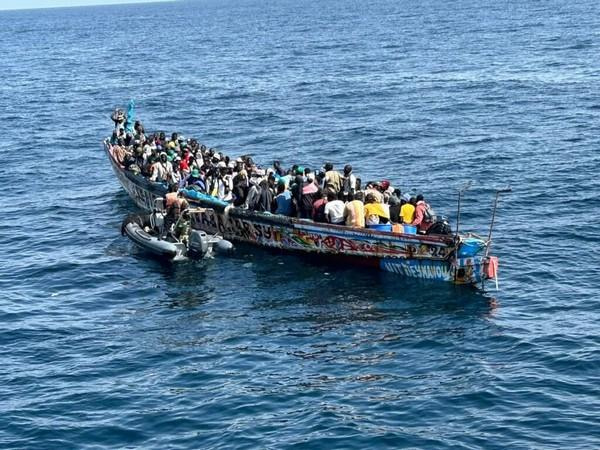
Tunis: The architecture Europe has built to keep migrants from its shores is showing cracks, and the fault lines run through the very governments the European Union paid to hold the line. President Kaïs Saïed has called for a wholesale revision of Tunisia’s partnership with Brussels, telling Emmanuel Macron in a recent call that the arrangement must become more balanced, fair and equitable. In Cairo, officials have made the same complaint in blunter financial terms, arguing that the billions flowing from Europe fall short of the burden Egypt carries.

This is the predictable bill coming due for a strategy the EU has pursued with growing enthusiasm since 2023. The template is familiar. Brussels signs a comprehensive partnership, pledges a headline figure, and ties disbursement loosely to migration control. Tunisia received a pledge of over one billion euros. Egypt was promised a far larger package, with the first instalment released this past January. Mauritania, Morocco and, through earlier deals, Libya and Turkey complete a chain of arrangements that amounts to outsourcing Europe’s border across two continents.

The logic was always uncomfortable, and now it is becoming unstable. The partner governments have learned that migration is leverage, and that the threat of looser enforcement is worth more than any single payment. Saïed’s demand for revision is not really about asylum procedure. It is about renegotiating the terms of a bargain he considers humiliating, bundled with grievances over frozen assets and what Tunis sees as European condescension. Egypt’s message is simpler still, that the price is too low. Both have correctly read that Europe needs them more than they need Europe, at least on this file.

For Brussels the trap is structural. Having defined success as fewer arrivals, the EU has made itself hostage to the cooperation of states whose interests only partly align with its own. Each renegotiation raises the price and deepens the dependency. And because the deals are deliberately informal, struck as memoranda rather than treaties, they escape meaningful parliamentary or judicial scrutiny on the European side even as human-rights monitors document abuses on the southern shore.

None of this means the partnerships will collapse. They are too useful to too many capitals, and the domestic politics of migration across Europe leave little appetite for an alternative. But the assumption that money buys durable control is being tested in real time. A model premised on paying others to manage a problem Europe will not manage itself was always going to invite exactly this kind of haggling.

The more candid governments in Europe privately concede the point. What they lack is a strategy for the day a partner decides the cheque is no longer enough and opens the door instead. Tunis and Cairo are not threatening that yet. They are reminding Brussels that they could, and watching to see what the reminder is worth.