Nouakchott: The Atlantic route that once carried tens of thousands of migrants toward Spain’s Canary Islands now runs into a wall, and the European Union built much of it. Mauritania, a vast desert republic on West Africa’s coast, has become the newest guard on Europe’s outer frontier.
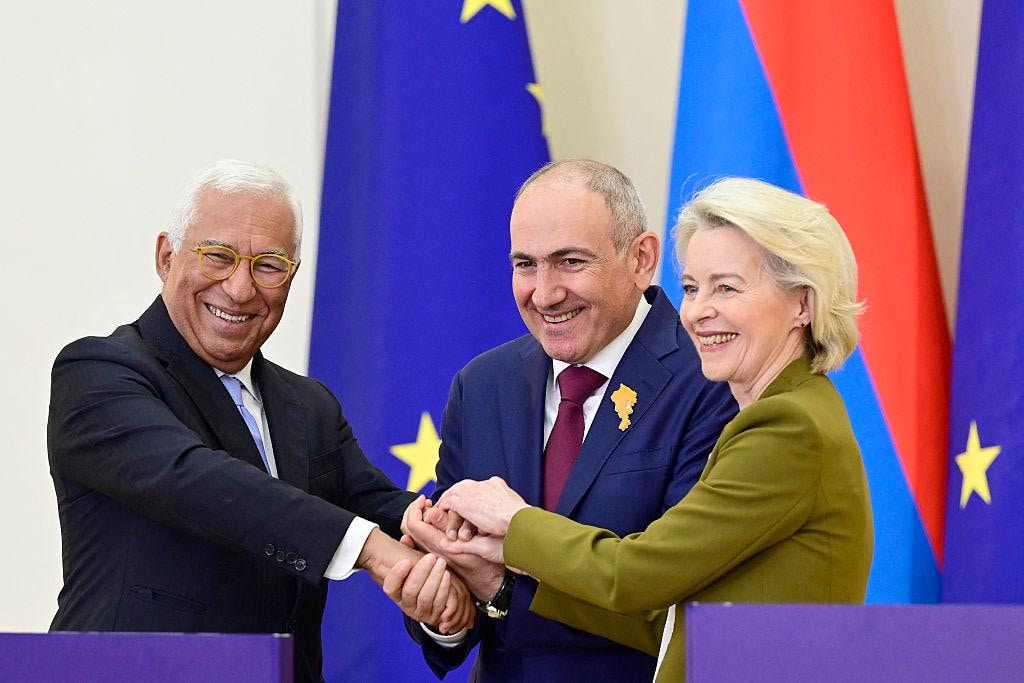
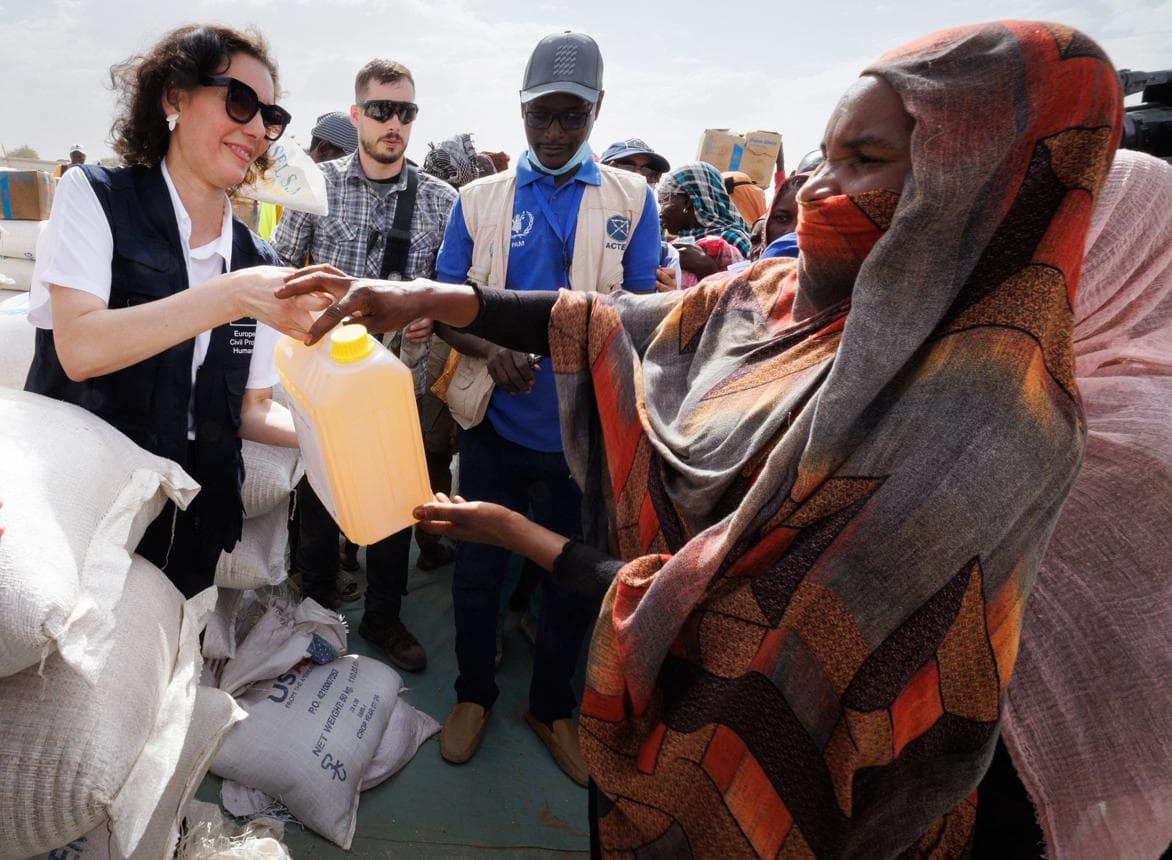
The arrangement took shape in early 2024, when European Commission President Ursula von der Leyen flew to Nouakchott and pledged 210 million euros to help the government manage migration, patrol its borders, and shelter refugees fleeing conflict in neighbouring Mali. The Commission cast the money as a partnership rather than a payment.
Critics read it differently. They see Europe outsourcing its border to a poor state with a thin human rights record, repeating a pattern already visible in Tunisia, Libya, and Egypt. The cash buys distance, they argue, and distance buys deniability when things go wrong.
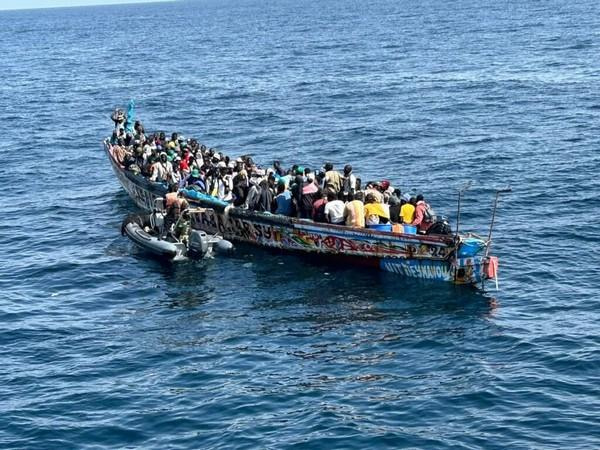
The numbers explain why Brussels persists. Arrivals on the Atlantic route surged in 2024, and the crossing to the Canaries ranks among the deadliest in the world. Overloaded boats vanish without trace, and the bodies rarely surface. European governments, squeezed by voters angry about migration, want the flow stopped long before it reaches the sea.
Mauritania has obliged. Its security forces intercept boats, turn back travellers, and drive migrants away from the launch points along the coast. Reporting from the country describes migrants hiding in safehouses and abandoning the journey as the crackdown bites. Arrivals to the Canaries have dropped sharply.
That success carries costs the ledger never records. Rights groups document beatings, arbitrary detention, and expulsions into the desert, where the heat kills as reliably as the ocean. Europe funds the machinery yet keeps its distance from the methods, a division of labour that protects reputations more than people.
Mauritania extracts its own advantage. The government has watched Rabat, Tunis, and Cairo turn migration into leverage, and it now bargains from the same position. Each new boat season reminds Brussels that cooperation carries a price, and that the price keeps rising.
The deeper problem sits upstream. War in the Sahel, drought, and collapsing economies push people north, and no border force in Nouakchott can switch off those pressures. The route may quiet for a season, then reopen somewhere else along the coast, as it has done before.
Europe understands this. Its own officials concede in private that deterrence buys time rather than solutions, and that development aid works slowly where patrol boats work fast. Yet elections reward the fast option, and so the money flows toward fences rather than futures.
Mauritania, for now, holds the line that Europe drew. Whether it holds for long depends on forces that neither Nouakchott nor Brussels controls, and on how much both will pay to keep the Atlantic route closed.