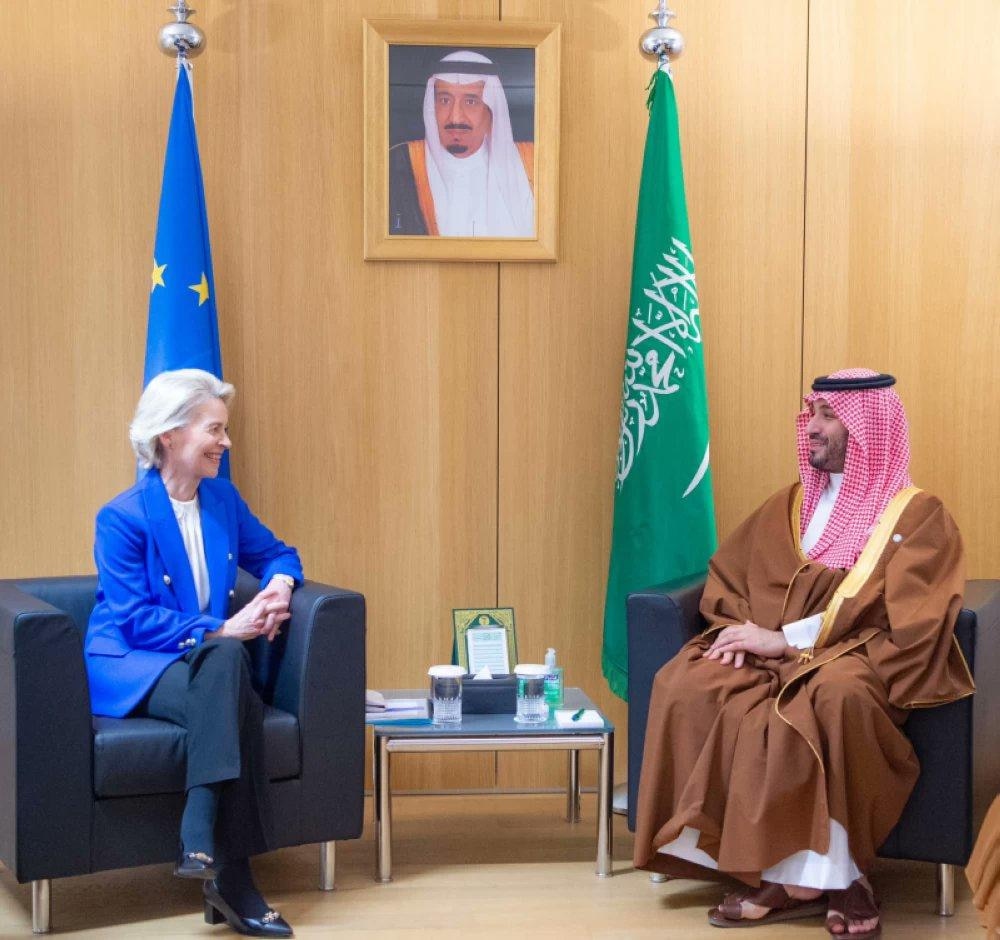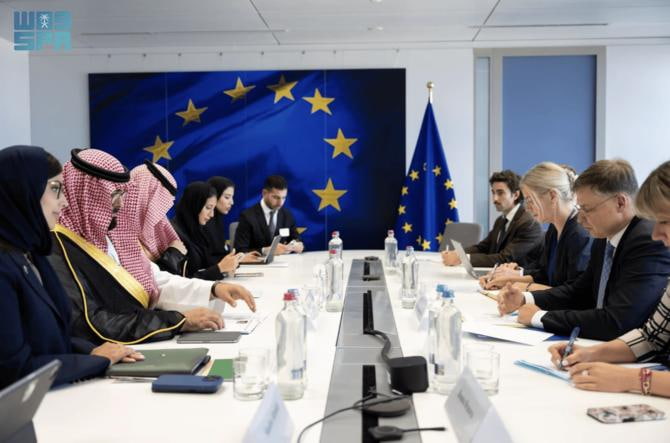
Riyadh: For decades the relationship between the European Union and the six monarchies of the Gulf Cooperation Council was defined less by ambition than by inertia. A cooperation agreement signed in 1989 promised a free-trade deal that never materialised, and the joint ministerial meetings that followed produced careful communiqués that few outside the two bureaucracies ever read. That long torpor is now lifting, and the clearest evidence sits on the diplomatic calendar. After leaders convened the first EU-GCC summit in Brussels in October 2024, they agreed the next gathering would take place on Gulf soil, and Saudi Arabia is set to host it in the second half of this year.
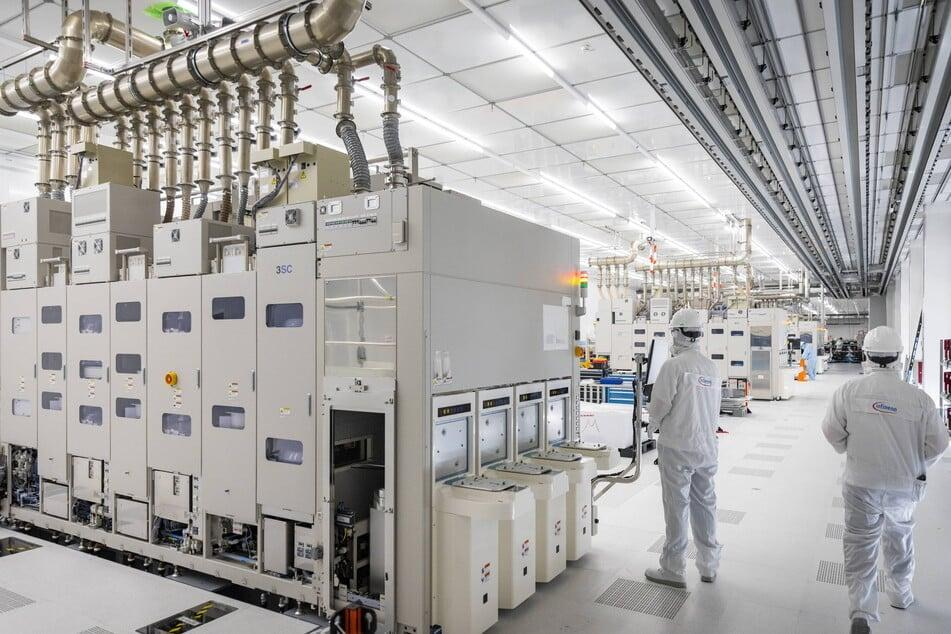
The shift is driven less by sentiment than by necessity. The loss of Russian pipeline gas forced Europe to scour the planet for alternative energy, and the Gulf states, sitting on a third of the world’s proven oil reserves and vast capacity for liquefied natural gas, became indispensable almost overnight. Brussels now frames the partnership as a hedge against a single point of failure, the same logic it applies to critical minerals and semiconductors. Qatar and the United Arab Emirates, for their part, are eager to convert hydrocarbon windfalls into the diversified, technology-rich economies their long-term plans demand, and Europe offers regulatory expertise, infrastructure and a market of consumers that the Gulf cannot replicate at home.
Energy is only the most visible thread. The EU-GCC green transition project, launched in 2023, has quietly expanded into a programme covering renewable power, hydrogen and climate finance, with a dedicated forum held in Kuwait City in February. The proposed corridor linking India, the Middle East and Europe promises to knit Gulf ports into European supply chains, and Gulf sovereign wealth funds have become some of the largest investors in European ventures from data centres to airports. When the inaugural Europe Gulf Forum met in Greece in May, the agenda ranged across supply chains, defence and technology, a breadth that would have been unthinkable a decade ago.
None of this erases the friction. European parliamentarians continue to raise labour conditions and political freedoms in Gulf states, and the bloc’s insistence on tying trade to human-rights language has stalled commercial talks for years. The Gulf capitals, increasingly courted by Washington and Beijing alike, feel little pressure to accept lectures as the price of doing business. The war in Gaza and instability in the Red Sea have exposed how differently the two sides read the region’s security, even as they share an interest in calming it. The twenty-ninth joint council, held in October, papered over these gaps with the language of strategic partnership without resolving them.
What the Saudi summit will test is whether the relationship can move from atmospherics to architecture. Europe wants reliable energy, investment and a partner in stabilising a turbulent neighbourhood; the Gulf wants technology, market access and recognition as a peer rather than a petrol station. Both stand to gain from a serious bargain, and both have spent thirty-five years failing to strike one. The coming months will reveal whether the new urgency is enough to break the habit.