August 10, 2026
LATEST
Five Joint Defence Projects Launch Europe’s Military ShieldElectrification Plan Aims to Make Europe First Electro ContinentHorizon Europe Budget Fight Heats Up as Ministers Push BackGoogle’s DMA Fine Sets Off a Transatlantic Tariff ClashTwenty New University Alliances Join Erasmus for Two YearsForeign Subsidies Case Puts Temu in the EU’s SightsVan Tachographs Now Mandatory for Cross-Border FleetsStress Test Exposes Gaps in Euro Area Bank DefencesEurope Bets on a Gulf Partnership Before the Riyadh SummitWhy the Atlantic Route Now Runs Through MauritaniaKyiv and Chisinau Advance as the EU Accession Talks Gather PaceEurope’s New Digital Border System Beds In After a Rocky RolloutBrussels Mounts Its Largest Wildfire Response as the Fires SpreadRetail Spending Slipped in June, Wrong-Footing EconomistsHeatwave Warning Puts Brussels on Alert for Vulnerable GroupsKANAL’s 230 Million Euro Museum Sets a November Opening DatePension Savings Rules Get a Reset as the EU Scraps the 1% CapMedicine Shortages Move to the Heart of Europe’s Pharma ResetJapan Becomes Europe’s Closest Security Partner in AsiaCan Europe’s New Zealand Deal Anchor It in the Pacific?Five Joint Defence Projects Launch Europe’s Military ShieldElectrification Plan Aims to Make Europe First Electro ContinentHorizon Europe Budget Fight Heats Up as Ministers Push BackGoogle’s DMA Fine Sets Off a Transatlantic Tariff ClashTwenty New University Alliances Join Erasmus for Two YearsForeign Subsidies Case Puts Temu in the EU’s SightsVan Tachographs Now Mandatory for Cross-Border FleetsStress Test Exposes Gaps in Euro Area Bank DefencesEurope Bets on a Gulf Partnership Before the Riyadh SummitWhy the Atlantic Route Now Runs Through MauritaniaKyiv and Chisinau Advance as the EU Accession Talks Gather PaceEurope’s New Digital Border System Beds In After a Rocky RolloutBrussels Mounts Its Largest Wildfire Response as the Fires SpreadRetail Spending Slipped in June, Wrong-Footing EconomistsHeatwave Warning Puts Brussels on Alert for Vulnerable GroupsKANAL’s 230 Million Euro Museum Sets a November Opening DatePension Savings Rules Get a Reset as the EU Scraps the 1% CapMedicine Shortages Move to the Heart of Europe’s Pharma ResetJapan Becomes Europe’s Closest Security Partner in AsiaCan Europe’s New Zealand Deal Anchor It in the Pacific?
August 10, 2026
LATEST
Five Joint Defence Projects Launch Europe’s Military ShieldElectrification Plan Aims to Make Europe First Electro ContinentHorizon Europe Budget Fight Heats Up as Ministers Push BackGoogle’s DMA Fine Sets Off a Transatlantic Tariff ClashTwenty New University Alliances Join Erasmus for Two YearsForeign Subsidies Case Puts Temu in the EU’s SightsVan Tachographs Now Mandatory for Cross-Border FleetsStress Test Exposes Gaps in Euro Area Bank DefencesEurope Bets on a Gulf Partnership Before the Riyadh SummitWhy the Atlantic Route Now Runs Through MauritaniaKyiv and Chisinau Advance as the EU Accession Talks Gather PaceEurope’s New Digital Border System Beds In After a Rocky RolloutBrussels Mounts Its Largest Wildfire Response as the Fires SpreadRetail Spending Slipped in June, Wrong-Footing EconomistsHeatwave Warning Puts Brussels on Alert for Vulnerable GroupsKANAL’s 230 Million Euro Museum Sets a November Opening DatePension Savings Rules Get a Reset as the EU Scraps the 1% CapMedicine Shortages Move to the Heart of Europe’s Pharma ResetJapan Becomes Europe’s Closest Security Partner in AsiaCan Europe’s New Zealand Deal Anchor It in the Pacific?Five Joint Defence Projects Launch Europe’s Military ShieldElectrification Plan Aims to Make Europe First Electro ContinentHorizon Europe Budget Fight Heats Up as Ministers Push BackGoogle’s DMA Fine Sets Off a Transatlantic Tariff ClashTwenty New University Alliances Join Erasmus for Two YearsForeign Subsidies Case Puts Temu in the EU’s SightsVan Tachographs Now Mandatory for Cross-Border FleetsStress Test Exposes Gaps in Euro Area Bank DefencesEurope Bets on a Gulf Partnership Before the Riyadh SummitWhy the Atlantic Route Now Runs Through MauritaniaKyiv and Chisinau Advance as the EU Accession Talks Gather PaceEurope’s New Digital Border System Beds In After a Rocky RolloutBrussels Mounts Its Largest Wildfire Response as the Fires SpreadRetail Spending Slipped in June, Wrong-Footing EconomistsHeatwave Warning Puts Brussels on Alert for Vulnerable GroupsKANAL’s 230 Million Euro Museum Sets a November Opening DatePension Savings Rules Get a Reset as the EU Scraps the 1% CapMedicine Shortages Move to the Heart of Europe’s Pharma ResetJapan Becomes Europe’s Closest Security Partner in AsiaCan Europe’s New Zealand Deal Anchor It in the Pacific?

Europe Bets on a Gulf Partnership Before the Riyadh Summit

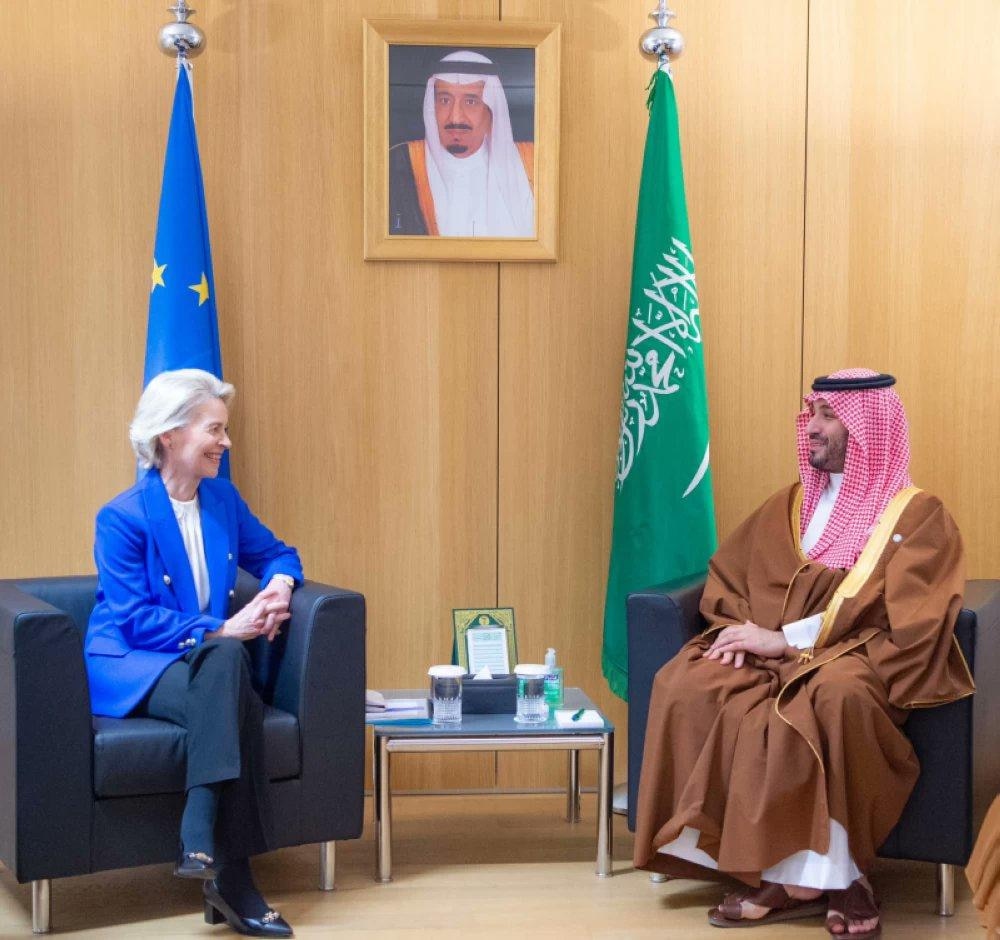
Riyadh: When European and Gulf leaders gather in the Saudi capital this autumn, they will test a simple proposition, that the two blocs can turn warm rhetoric into a working Gulf partnership. The first EU-Gulf Cooperation Council summit met in Brussels in October 2024, and leaders promised to reconvene every two years. Riyadh now hosts the sequel.

The stakes have grown since that opening encounter. Europe wants reliable energy, investment capital, and a diplomatic bridge into a region where Washington’s attention keeps drifting. The Gulf states want technology, market access, and a partner that treats them as more than a filling station. Each side arrives with leverage, and each side knows it.

Money frames much of the conversation. Gulf sovereign wealth funds command trillions, and European capitals court that money for their green transition and their strained infrastructure budgets. The European External Action Service now calls the relationship a strategic partnership rather than a commercial afterthought, a shift that shows how far the balance has moved.

Trade tells the same story. The two sides have chased a free trade agreement for more than three decades without closing it, and few expect a breakthrough in Riyadh. Instead, negotiators favour narrower deals on hydrogen, critical raw materials, and digital infrastructure that deliver results without the political weight of a full treaty.

Politics complicates the warmth. European parliaments press their governments on human rights, labour conditions, and the war in Gaza, and Gulf capitals bristle at what they read as lectures. The joint declaration of 2024 smoothed these tensions with careful language about the rules-based order. Riyadh will test whether that language survives contact with events.

Energy binds the two blocs whether they like it or not. Qatar supplies the liquefied gas that replaced Russian pipelines, and Saudi Arabia and the Emirates want European buyers for the hydrogen they plan to export. Brussels needs those molecules, yet it also demands climate commitments that Gulf producers accept slowly.

Security adds another layer. The Gulf sits beside the shipping lanes that carry European trade, and attacks in the Red Sea have already driven freight costs higher across the continent. European navies now patrol waters they once left to others, and Gulf partners watch closely to judge whether Europe intends to stay.

The Riyadh summit will not settle these questions. It will, however, reveal whether Europe can act as a coherent partner or whether twenty-seven capitals will pull in different directions. The Gulf states have learned to exploit that division, and they will probe for it again.

For Brussels, the meeting offers a chance to prove that its outreach beyond the neighbourhood amounts to more than communiqués. A durable Gulf partnership would give Europe ballast in a world where old alliances feel less certain. Failure would confirm the suspicion that Europe discusses strategy far more easily than it practises it.