Porto: Europe’s smaller airports have long leaned on public money, and the Commission is about to make that money far harder to obtain without a climate plan attached. A draft revision of the Union’s state-aid rules for the air transport sector, put out for consultation on 11 May with comments due by 11 June, would tie public funding for airport infrastructure to a credible commitment to decarbonise. The guidelines that govern such subsidies date from 2014, an era when the chief worry was distorted competition between regional hubs, not the carbon they help generate.
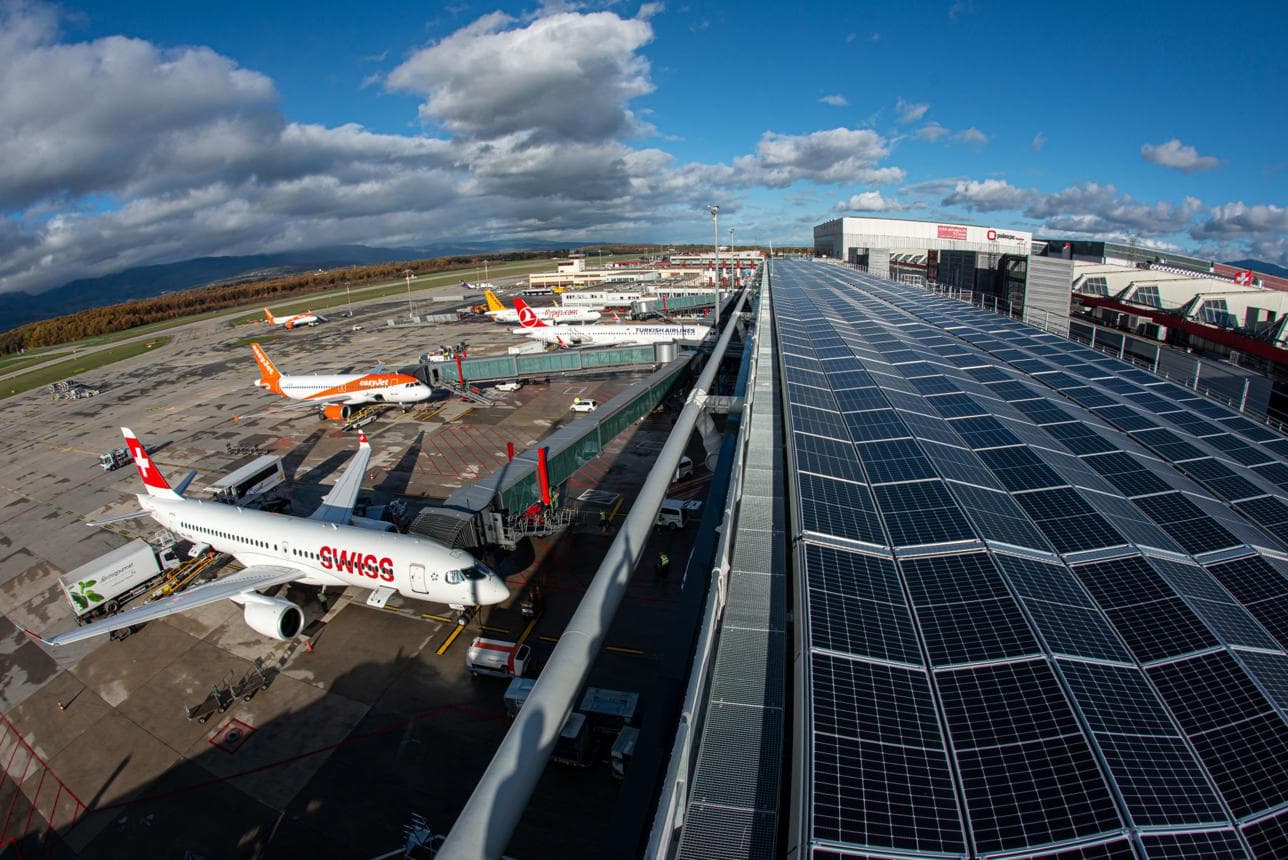
The central innovation is conditionality. Where a member state wants to back a new terminal, a runway extension or relocated infrastructure that increases an airport’s capacity, it would have to confirm that the operator has filed a plausible plan to clean up its operations within five years. The aid would no longer be a simple reward for building, it would come bundled with an obligation to chart a path away from emissions. To ease the transition, the draft offers higher aid intensities, up to a fifth of project cost, for investments serving zero-emission aircraft or electrified ground equipment, and for airports in genuinely remote regions.
For the dozens of regional airports that dot the continent, often the proud projects of national or local governments, the shift is uncomfortable. Many already survive on thin margins and recurring public support, and the new framework tightens the conditions for both operating and investment aid. A small airport that cannot articulate a believable route to lower emissions may find the subsidy tap turning from a trickle to a drip. The Commission’s underlying message is blunt, public funds should not be poured into expanding high-carbon infrastructure with no plan for the future the bloc says it is building.
The proposal does not sit in isolation. It dovetails with the mandate for sustainable aviation fuels, with the gradual tightening of aviation’s place in the emissions trading system, and with a broader sense in Brussels that the sector has been shielded from the full cost of its pollution for too long. Aviation remains lightly taxed compared with road transport, kerosene crosses borders untaxed, and airports have historically been treated as engines of regional growth worth subsidising almost regardless of their environmental footprint. The draft guidelines chip at that settlement.
Industry voices warn of the obvious risks. Decarbonisation plans are cheap to write and expensive to deliver, and a five-year horizon may prove either too short to achieve much or too loose to mean much. Regional connectivity, especially for islands and peripheral areas with few alternatives to flying, could suffer if public support dries up faster than green technology matures. There is also the perennial question of whether a credible plan will be judged credibly, or whether the requirement becomes a paperwork ritual that changes little on the tarmac.
The revised rules are not expected to be adopted before early 2027, so the immediate effect is a long shadow rather than a sudden jolt. But airports planning their next expansion, and the governments that bankroll them, now know the terms are changing. The era in which a regional airport could expect public money simply for growing, with the environmental reckoning left for another day, is drawing to a close.